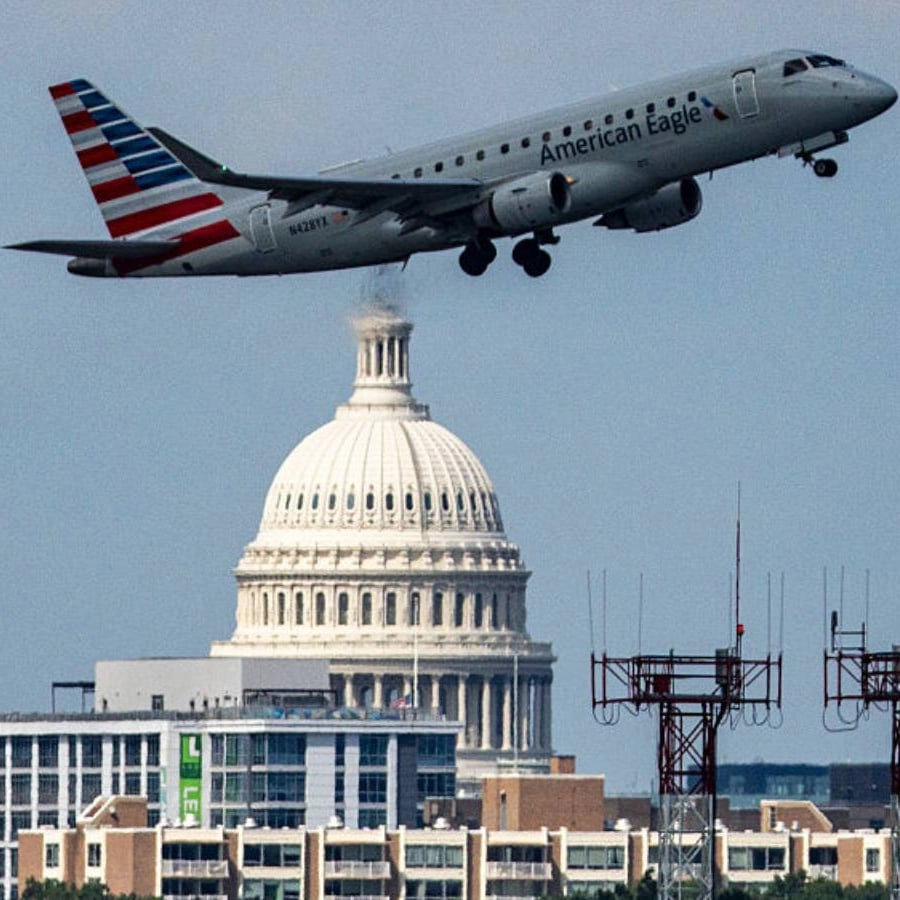
New rule means passengers flying to US must sign declaration or be refused boarding


If you're considering getting on a plane and flying to or from the United States of America in the near future, be warned that new regulations could soon leave you short unless you know about the latest rules.
The Centers for Disease Control and Prevention has initiated new protocols to help tackle growing Ebola fears amid an outbreak in the Democratic Republic of Congo (DRC).
With over 120 million passengers flying into the USA from abroad every year, the Bureau of Transportation Statistics reminds us that between 85 and 90 million of them are returning American citizens.
Covering commercial flights, general aviation, and business aircraft, it's a blanket rule that could leave you stranded in another country.
What are the CDC's new rules on flights into America?
Advert
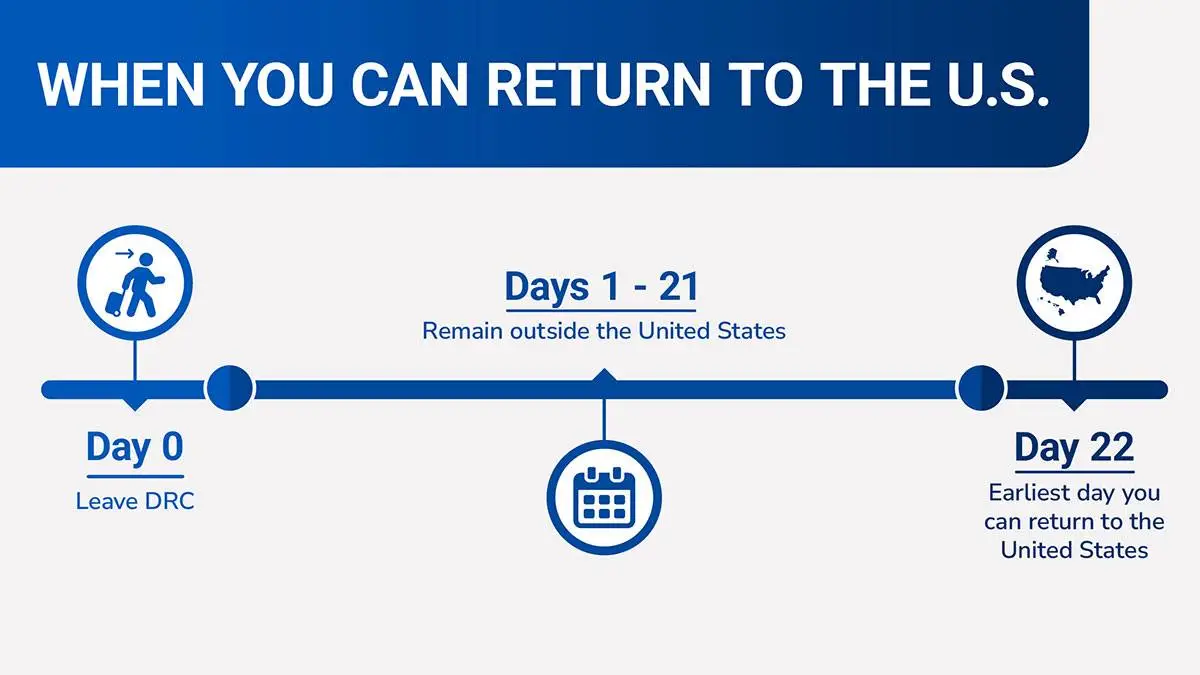
The CDC's latest PSA prohibits carriers and operators from boarding passengers unless they confirm they haven’t been to the DRC in the 21 days before boarding their flight to the USA.
This comes in the midst of a fast-moving Ebola outbreak that's struck Central and East Africa, surpassing 10,000 cases and reaching nearly 5,000 deaths. This has been driven by the Bundibugyo virus strain and is the second-largest Ebola outbreak in history.
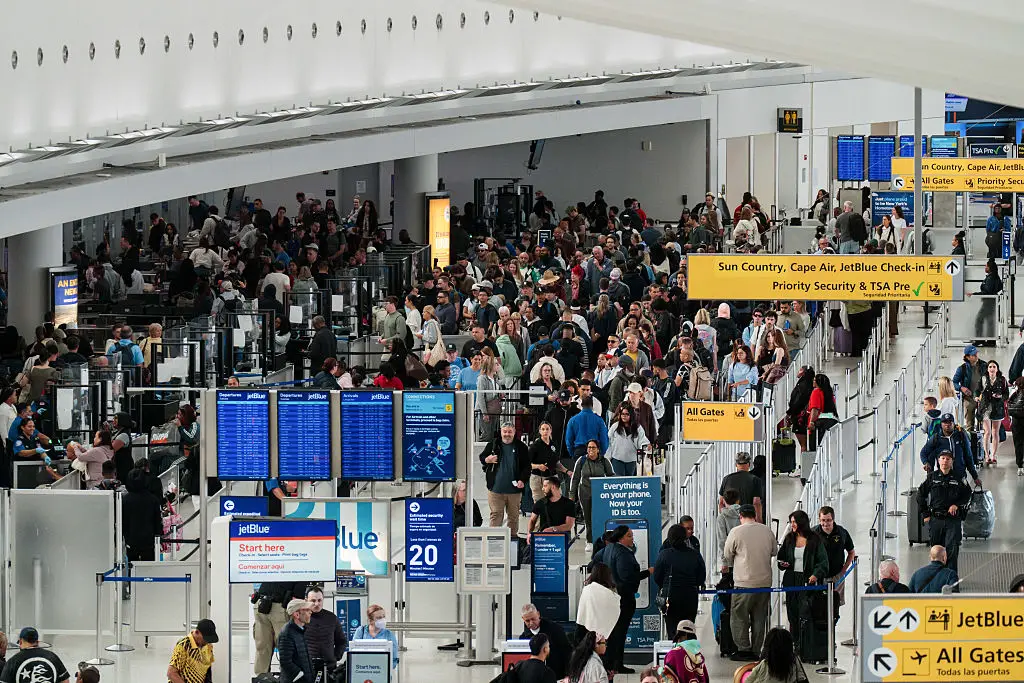
From November 3, 2026, at 11:59 p.m. EST, anyone boarding a flight to the U.S. will need to sign an Ebola attestation form, with a 'no form, no flight' enforcement. As this is a mandatory condition of boarding, airlines are legally required to prevent anyone who refuses or fails to sign the form from flying.
The CDC advises anyone who's been to the DRC to remain outside of the USA for at least 21 days before flying, adding: "If they have been in outbreak-affected provinces in DRC, they may be subject to additional travel requirements from local authorities before they leave DRC."
Elsewhere, non-U.S. citizens who've been in Uganda or South Sudan are also told to remain out of America for at least 21 days. U.S. citizens or nationals who are returning from Uganda or South Sudan will be rerouted through airports, including Washington Dulles (IAD), Atlanta (ATL), or New York (JFK), for enhanced public health screening and mandated 21-day health monitoring.
The CDC goes on to reiterate: "These travel restrictions and rerouting apply, regardless of whether a passenger disembarks or stays on an airplane during a connection in South Sudan or Uganda."
CDC asks for Ebola screening volunteers
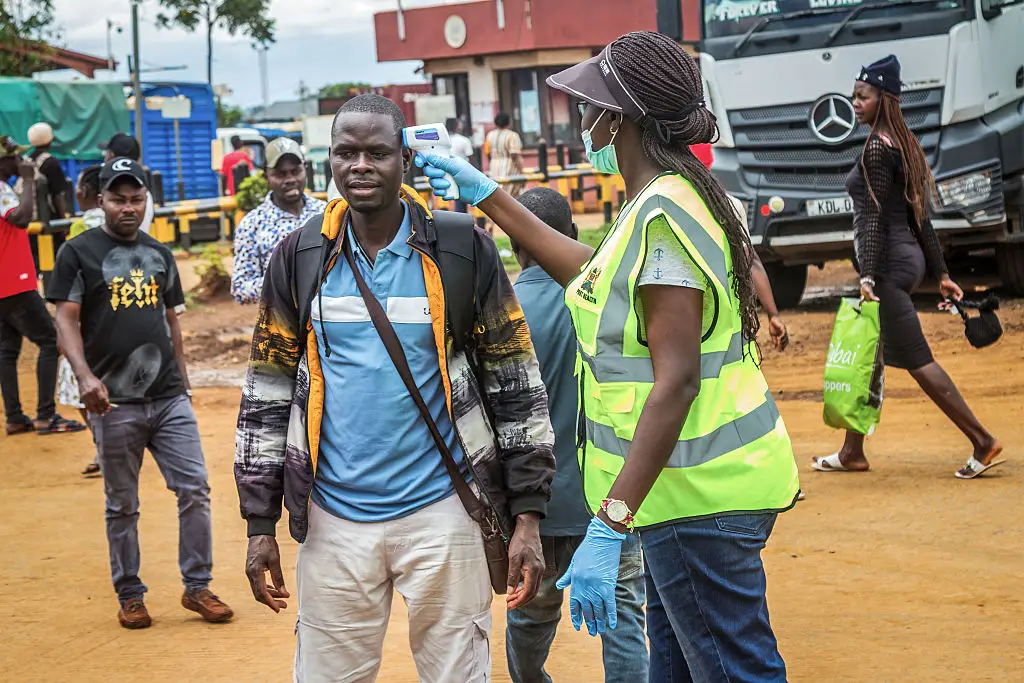
ABC News says that the CDC is asking for volunteers to help with airport screenings, reporting on an email sent from CDC Director Dr. Jay Bhattacharya.
With JFK being added to the list of rerouting airports, the outlet claims CDC staff across jobs and pay grades are being encouraged to volunteer. This is said to include public health advisors, emergency management specialists, and licensed medical providers.
Screening involves checking temperatures, observing passengers for signs of illness or fever, and referring anyone they suspect of having Ebola symptoms for further assessment.
The New York-based International Rescue Committee (IRC) aid organization has warned that the current Ebola outbreak is spreading faster than it can be contained and has expanded from remote areas of the DRC to major hubs like Goma and the Ugandan capital, Kampala.
Continuing to sound the alarm, the IRC says standard Ebola tests 'struggle' to detect the Bundibugyo strain, which might've helped it spread undetected for weeks or even months.
The CDC refers to West Africa's Ebola outbreak of 2014-2016 as the deadliest on record, with more than 28,600 cases reported and the World Health Organization citing 11,325 deaths by June 2016.
As numbers continue to climb, and WHO Director-General Dr. Tedros Adhanom Ghebreyesus suggests the current outbreak "will get worse before it gets better," the IRC maintains this could become the deadliest on record.