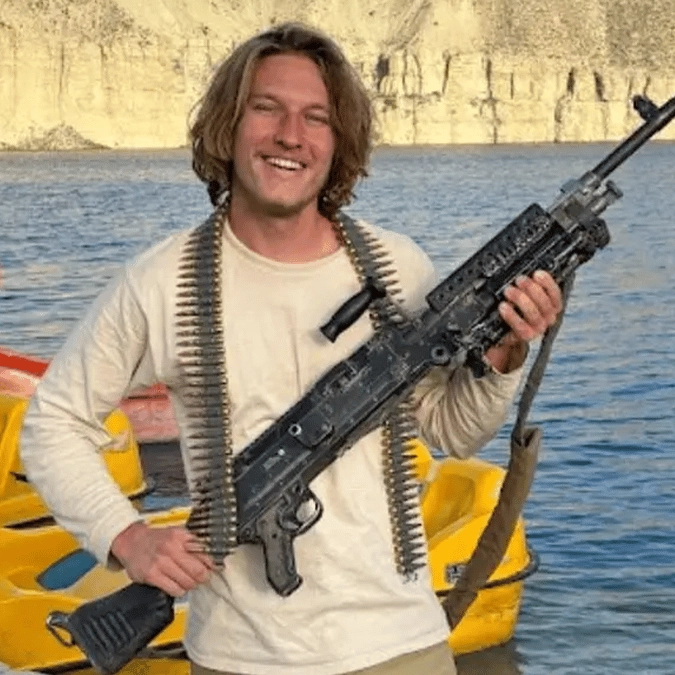
YouTuber faces hefty prison sentence after delivering Diet Coke to 'illegal' North Sentinel Island

A man who made a visit to one of the most isolated tribes in the world could be about to feel the wrath of the courts, with the trial of Miykhailo Viktorovych Polyakov making an important step forward.
There's a growing discourse about what people will post online just for clicks, with content creators on the likes of YouTube and Kick coming under fire. We recently saw this when Vitaly Zdorovetskiy spent 290 days in a Filipino jail. Elsewhere, Bonnie Blue could've faced 15 years in prison when she took her 'Bang Bus' tour to Bali, and Johnny Somali has just been sentenced to six months in jail in South Korea.
It's not just the bigger names who are grabbing attention, with one YouTuber being reprimanded for flying his drone over one of the USA's most secretive military facilities, and an influencer facing a massive fine when he landed his plane in an unauthorized territory.
Continuing the theme of "If you can't do the time, don't do the crime," Polyakov's jaunt to the outlawed North Sentinel Island looks like it's about to catch up with him.
What prison sentence does Miykhailo Viktorovych Polyakov face?
Advert
We previously covered Miykhailo Viktorovych Polyakov's story, with the YouTuber being arrested in March 2025.
Posting on his “Neo-Orientalist” channel, Polyakov is a self-confessed 'thrill seeker' who filmed himself trying to give the isolated Sentinelese tribe a can of Diet Coke. At the time, it was reported that Polyakov hadn't accidentally washed ashore, and instead, had meticulously planned his visit by avoiding authorities and studying sea conditions.
He was arrested when he returned to Port Blair on March 31, but according to PTI news agency (via The Times), the 25-year-old could now be facing five years in jail.
A Port Blair court reportedly rejected Polyakov’s application for bail and instead extended his judicial custody. He's been charged with entering a prohibited tribal reserve area, with North Sentinel Island protected under the Andaman and Nicobar Islands Protection of Aboriginal Tribes Regulation 1956. Police say he's due to appear again in court on April 29.
Going against Polyakov, this wasn't the first time he tried to reach North Sentinel Island. He attempted trips in both October 2024 and January 2025 but was reportedly stopped by hotel staff. There's since been heightened security as the navy maintains a 'buffer zone' to ensure outsiders don't reach its shores.
Why are people banned from North Sentinel Island?
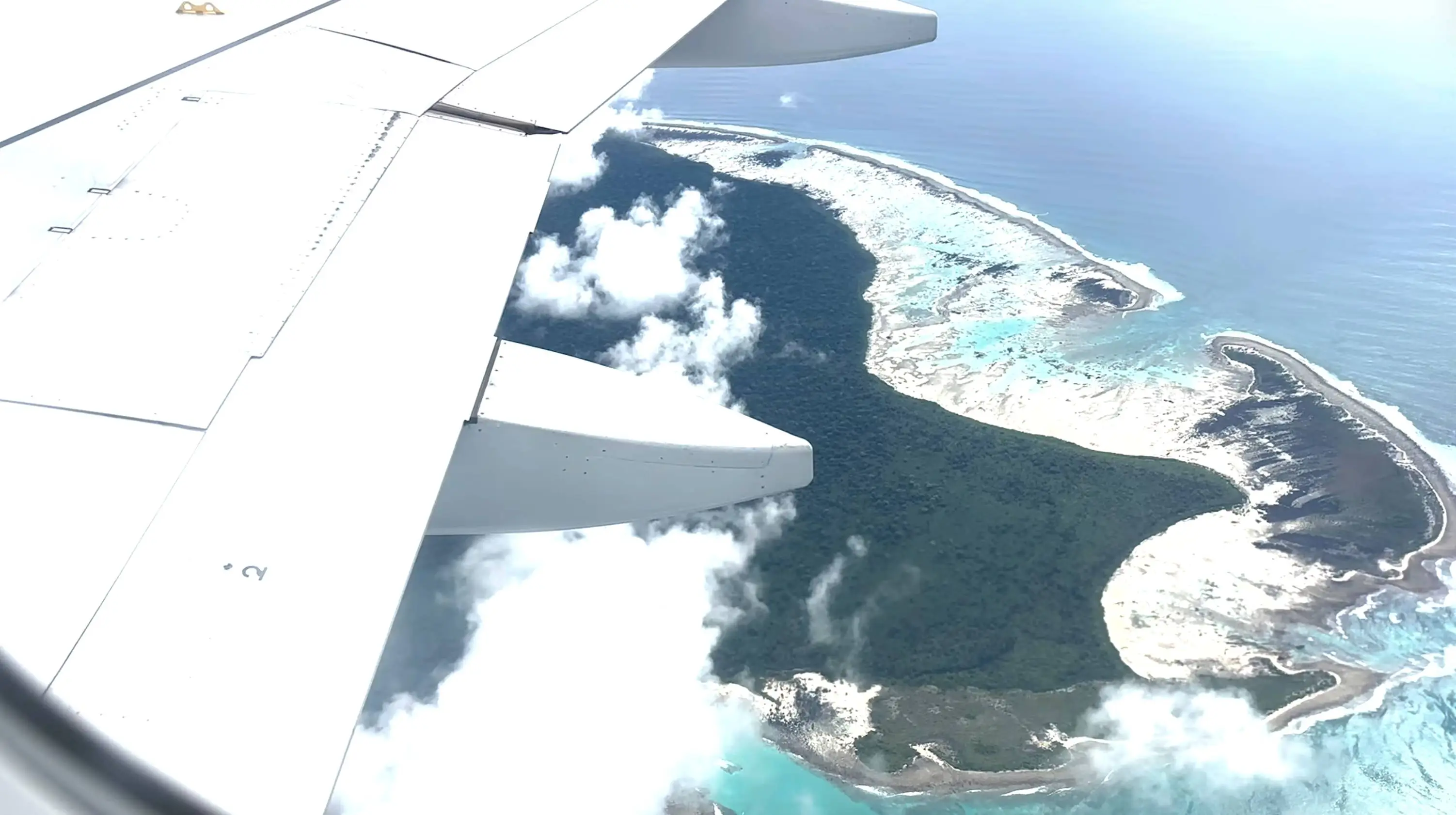
For those questioning why North Sentinel Island is one of the relatively few places in the world we're never allowed to visit, it's all to do with the fact that the Sentinelese people have largely been left alone for the past 60,000 years.
Due to this, they haven't developed the same immune systems as the rest of us, leading to fears that modern diseases could wipe the tribe out. If anyone doubts the severity of contact with the outside world, we're reminded that British naval officer Maurice Vidal Portman kidnapped five Sentinelese in 1880.
While the adults quickly died from exposure to diseases, the children survived and were sent back to the island with gifts.
Photography is also banned, although some have managed to get snaps of the tribe, which remains shrouded in mystery. It's impossible to know how many Sentinelese are left, with estimates ranging from anywhere between 400 and just 150.
Slamming Polyakov's actions, a police spokesperson said he “posed a serious threat to the safety and wellbeing of the Sentinelese people, whose contact with outsiders is strictly prohibited by the law to protect their indigenous way of life."
More than a risk to the natives, there's a genuine risk to visitors. There have been at least three deaths linked to North Sentinel Island, with two fishermen being killed in 2006, and American Christian missionary John Allen Chau in 2018. You might remember Chau's story from a 2023 documentary film called The Mission.
Although North Sentinel Island has been a preserve since 1956, and armed patrols continue to maintain a 5km radius, there are fears that cases like Polyakov's will encourage others to try the same.