Woman who grew and injected cancer-killing viruses into her tumour saw life-changing results


While science is pushing the boundaries of modern medicine by utilising AI in the hope of curing 'all of the world's diseases,' individual scientists are inventing their own innovative treatments.
From a doctor who engineered an ingestible vaccine in the form of beer, to the extraordinary case of a Croatian virologist who decided to treat her own returning breast cancer with viruses she cultivated herself.
In 2020, Dr. Beata Halassy received the devastating news that her breast cancer had returned for the second time after 45 months.
Having already endured surgery and chemotherapy following her initial diagnosis in 2016, she was reluctant to go through the same gruelling process again.
Advert
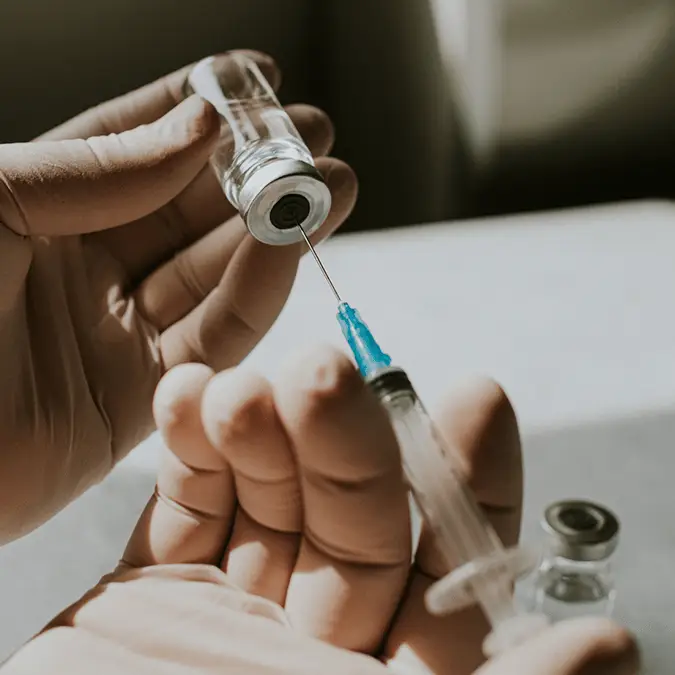
Instead, the 49-year-old decided to take matters into her own hands and create an 'unconventional treatment'.
Halassy was diagnosed with triple-negative breast cancer in 2016, which is considered the most aggressive subtype of the disease. Treatment options for this type of breast cancer are narrower, response rates are lower, and the risk of recurrence is high. By the time the cancer had returned, it was invading her skin and burrowing into the muscle beneath it.
As a virologist, Halassy was well-placed to explore a field known as oncolytic virotherapy - the use of viruses to infect and destroy cancer cells.
She studied the existing research, identified two viruses with demonstrated activity against her cancer type, grew them in her own laboratory and informed her oncologists of her intentions. They agreed to monitor her closely throughout, with chemotherapy on standby if things took a turn for the worse.
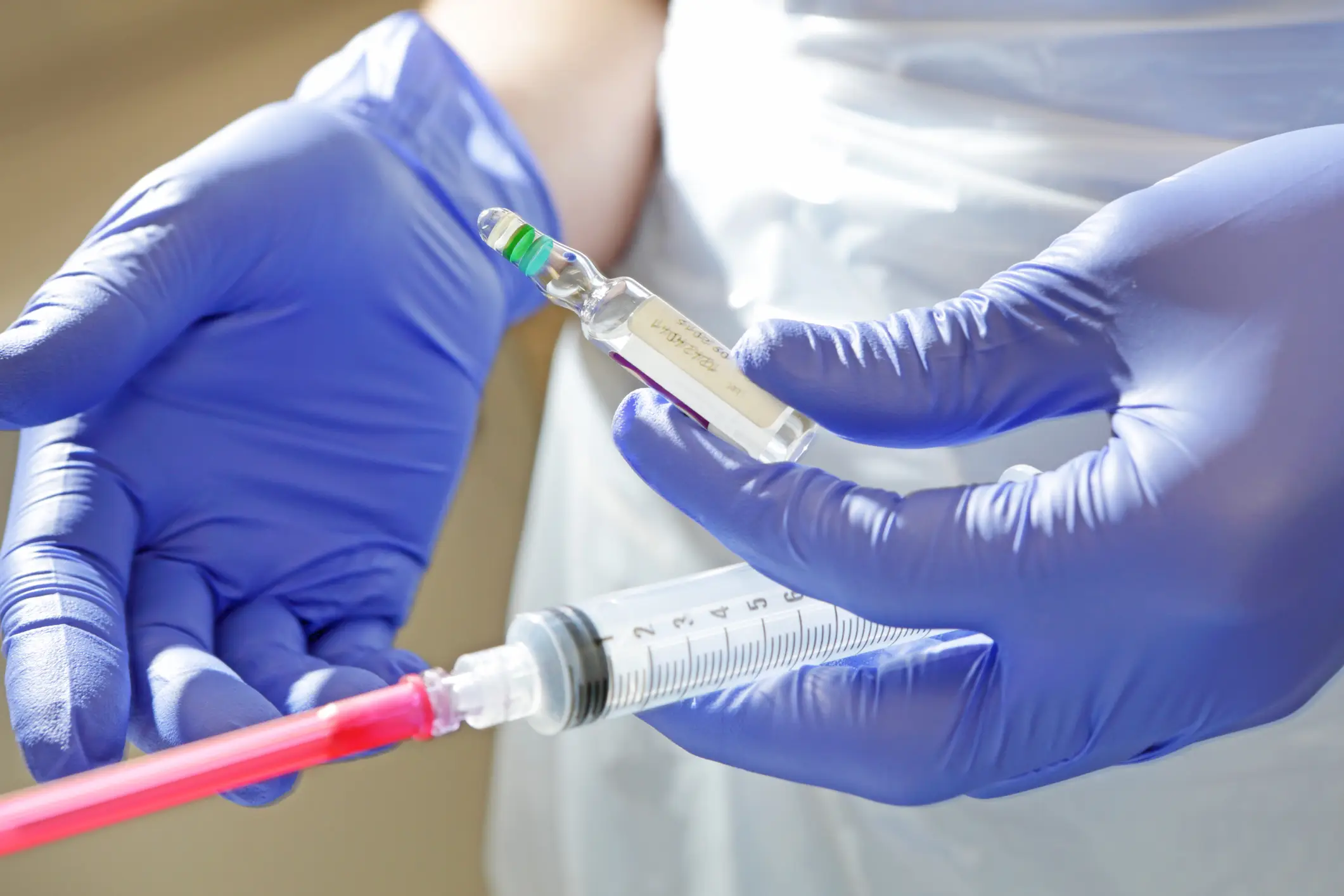
Halassy's treatment involved two viruses, administered in sequence by direct injection into the tumour.
The first was the Edmonston-Zagreb measles vaccine strain, the same form of the measles virus used in routine childhood vaccination and has displayed anti-tumour properties. The second was vesicular stomatitis virus (VSV), a pathogen that has shown potential as a cancer-fighting agent in lab studies.
Over three weeks, Halassy received seven injections of the measles strain at three-to-four-day intervals, followed by three injections of VSV.
In just two months, the tumour had remarkably shrunk from 2.47 cm³ to 0.91 cm³, a reduction of more than 60% in volume.
Moreover, the tumour had softened and detached from the muscle and skin beneath it. The shrunken tumour was then surgically removed, after which Halassy received one further measles virus injection around the surgical site as a precaution against any residual disease, before completing a full year of trastuzumab therapy.
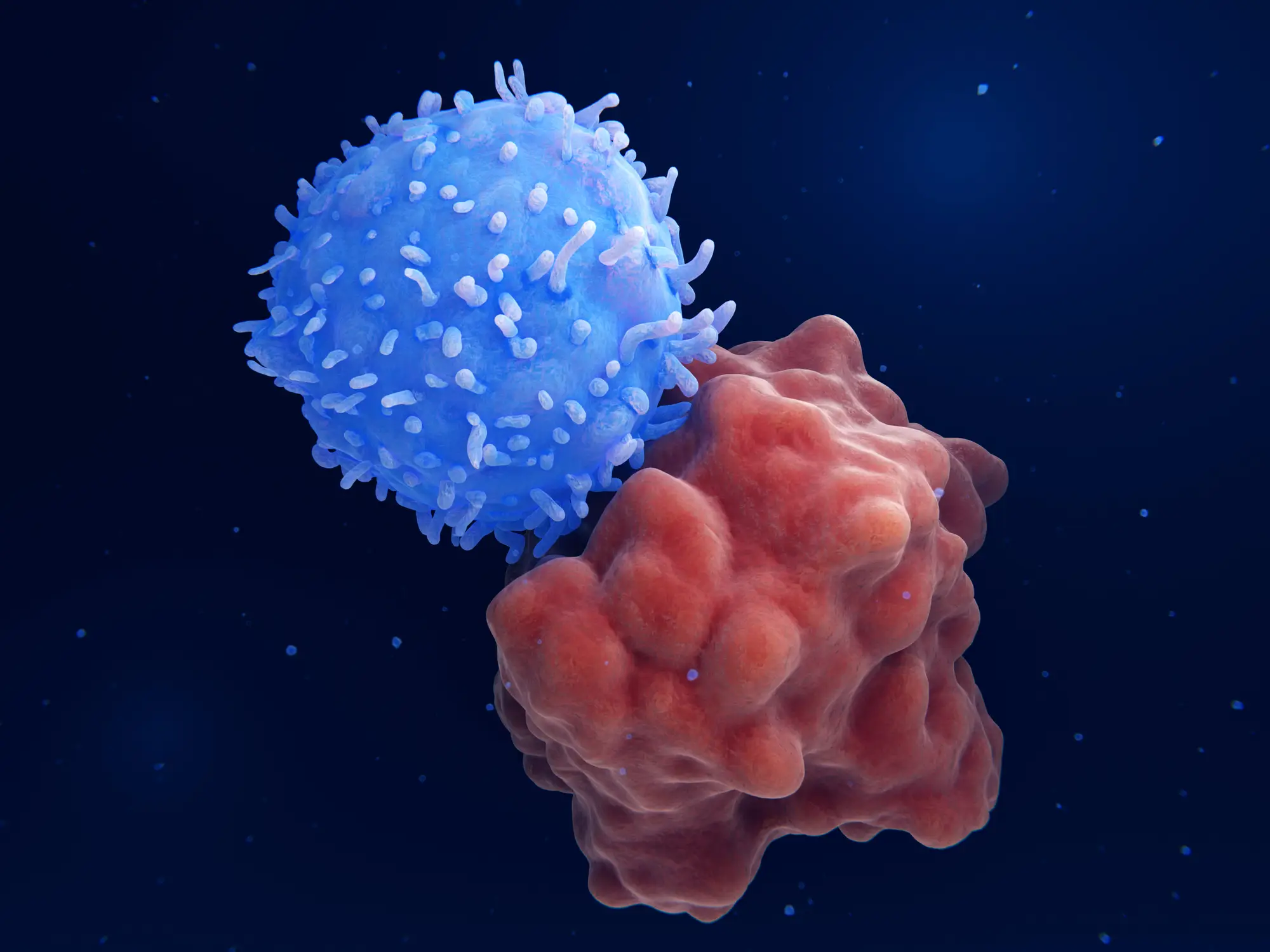
Post-surgery analysis showed that the viruses had triggered an immune response against the cancer. Before the viral injections, the tumour showed no PD-L1 expression, a protein that indicates the immune system has interacted with the tumour.
However, after the injections, the tumour showed PD-L1 expression and strong lymphocytic infiltration, with increased CD20-positive B cells, CD8-positive T cells, and macrophages.
The case report was published in the peer-reviewed journal Vaccines in 2024. Halassy claimed that her positive experience has now completely redirected the focus of her laboratory. While she admitted the limitations in her one-person study, the virologist also felt a responsibility to publish the findings in the hope of encouraging other cancer patients to seek alternative treatment options.