• News
    • Tech News
    • AI
  • Gadgets
    • Apple
    • iPhone
  • Gaming
    • Playstation
    • Xbox
  • Science
    • News
    • Space
  • Streaming
    • Netflix
  • Vehicles
    • Car News
  • Social Media
    • WhatsApp
    • YouTube
  • Advertise
  • Terms
  • Privacy & Cookies
  • LADbible Group
  • LADbible
  • UNILAD
  • SPORTbible
  • GAMINGbible
  • Tyla
  • FOODbible
  • License Our Content
  • About Us & Contact
  • Jobs
  • Latest
  • Topics A-Z
  • Authors
Facebook
Instagram
X
TikTok
Snapchat
WhatsApp
Submit Your Content
New research reveals chilling glimpse into how Earth will come to an end

Home> Science> Space

Published 12:02 30 Sep 2024 GMT+1

New research reveals chilling glimpse into how Earth will come to an end

We can now see how the Earth will look as it dies

Rikki Loftus

Rikki Loftus

A new research has given us a chilling glimpse into how the Earth will come to an end.

The recent discovery by astronomers has allowed us to look billions of years into the future at how our planet could one day look.

A newly discovered planet likely once orbited a star similar to our sun before it died and the planet drifted off into space, making it uninhabitable.
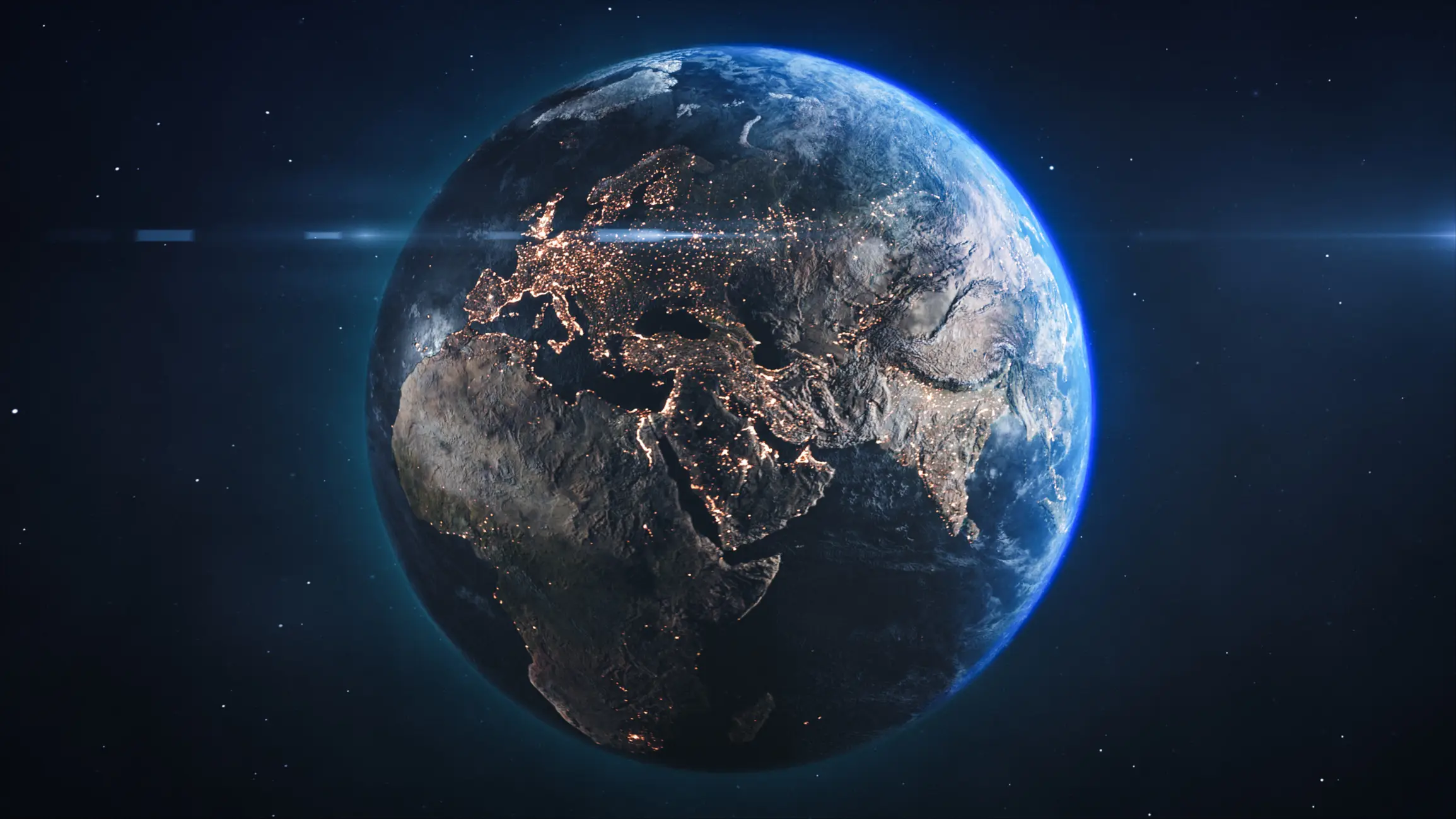
A new discovery gives us a glimpse into how the Earth will come to an end (fotograzia/Getty Images)

Advert

Studies suggest that a similar fate will await our own sun as it will eventually die in around five billion years' time.

The planet and its host star are located near the center of the Milky Way galaxy, which is around 4,000 light years away from us.

The star is now a white dwarf, which is what our sun will become after it dies.

The sun’s death will vaporize the Earth’s oceans as it first becomes a red giant, expanding and consuming Mercury and Venus.

Keming Zhang is a lead author of the study and also an astronomer at University of California San Diego.

Zhang said in a statement: “We do not currently have a consensus whether Earth could avoid being engulfed by the red giant sun.
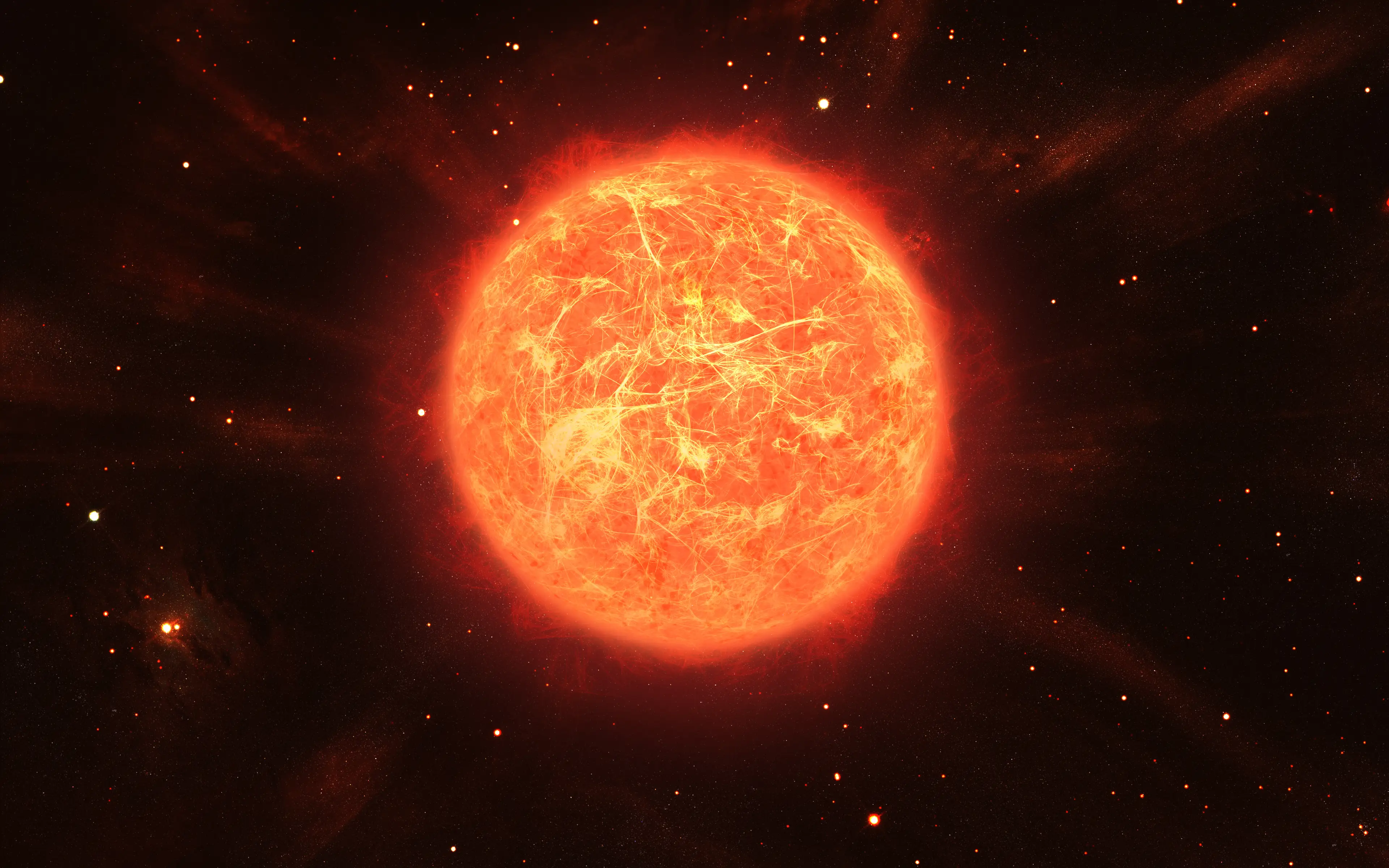
The sun will transform into a red giant as it starts to die (Pr3t3nd3r/Getty Images)

“In any case, planet Earth will only be habitable for around another billion years, at which point Earth's oceans would be vaporized by runaway greenhouse effect - long before the risk of getting swallowed by the red giant.”

Unfortunately, the fate of Earth looks similar to this planet, whose rocky terrain might have once supported life.

Co-author Jessica Lu, an associate professor and chair of astronomy at UC Berkeley, said: “This system that Keming's found is an example of a planet - probably an Earth-like planet originally on a similar orbit to Earth - that survived its host star's red giant phase.”

However, while this planet shows what Earth will possibly look like in billions of years, that does not necessarily mean the doom of humanity.

Zhang went on to add: “As the sun becomes a red giant, the habitable zone will move to around Jupiter and Saturn's orbit, and many of these moons will become ocean planets. I think, in that case, humanity could migrate out there.”

If humans have the technology by then, we could make new homes on Europa and Enceladus.

The moons orbit Jupiter and Saturn and their icy environment makes them inhabitable, but that could all change in the future.

Featured Image Credit: Roberto Machado Noa/MARK GARLICK/SCIENCE PHOTO LIBRARY/Getty Images
Space
Science
Earth
Climate change
Sun

Advert

Advert

Advert

Choose your content:

7 hours ago
8 hours ago
9 hours ago
a day ago
  • DeFodi Images News / Contributor / Getty
    7 hours ago

    Officials speak out about possibility of deadly Nipah virus coming to USA

    It has a mortality rate far higher than COVID-19

    Science
  • Contributor / Getty
    8 hours ago

    India issues important update on Nipah virus as airports increase screenings

    An outbreak was first reported in the country's West Bengal

    Science
  • STR/AFP/GettyImages
    9 hours ago

    Sunita Williams reveals why she'll never return to space after 286 days 'trapped' above Earth

    The astronaut spent nine months stuck in space

    Science
  • David Espejo/Getty Images
    a day ago

    Worrying new study warns this sleep habit could be early sign of dementia

    Researchers tracked 162 patients with the condition

    Science
  • Scientists make eerie discovery that could offer glimpse into how the world could end
  • Scientists discover 'iron bar' that could show exactly how Earth will end
  • 'Groundbreaking' new research reveals exactly what could mean we're living in a simulation
  • Scientists issue chilling new prediction about when humanity could face its horrifying end