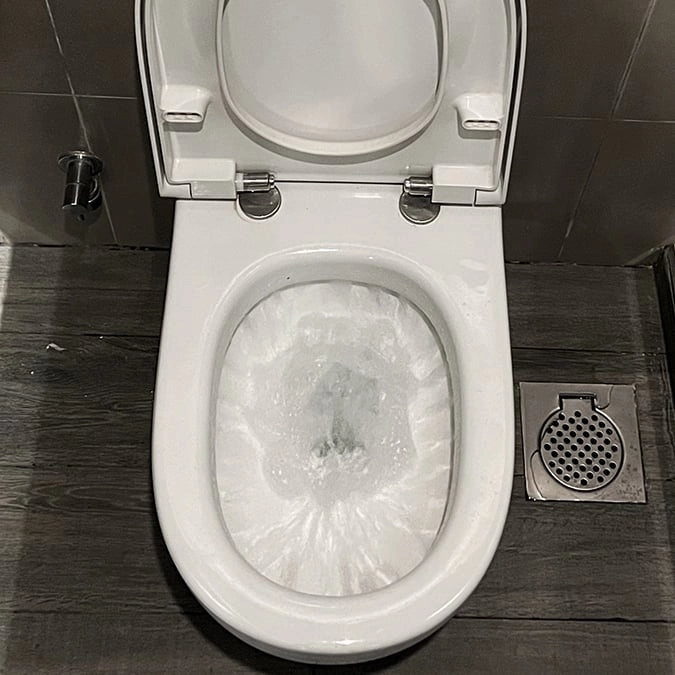
Eye-opening new study explains why you should always close toilet lid before flushing


A new study has revealed why something seemingly mundane like closing a toilet lid before flushing is actually very important.
It might be something you have never given a second thought, but experts from Flinders University believe that you may want to think twice before flushing a toilet without closing the lid first.
According to the scientists, this is because flushing toilets have the ability to ‘release aerosols and bioaerosols into the surrounding air’. As a result, the particles can be detected within the breathing zone of adults.
Lead author Lira Adiyani, who is a PhD student at Flinders University, explains: “Toilet flushing creates turbulence that can release aerosols into the surrounding air. Some studies detected these aerosols at adult breathing height, indicating a potential pathway for inhalation exposure.
Advert
“The microbes can originate both from contamination of the toilet bowl during use, or from the water used for flushing. The more microbes present in the toilet, the more bioaerosols may be released. Therefore, larger flush volumes generally produce more aerosols.”
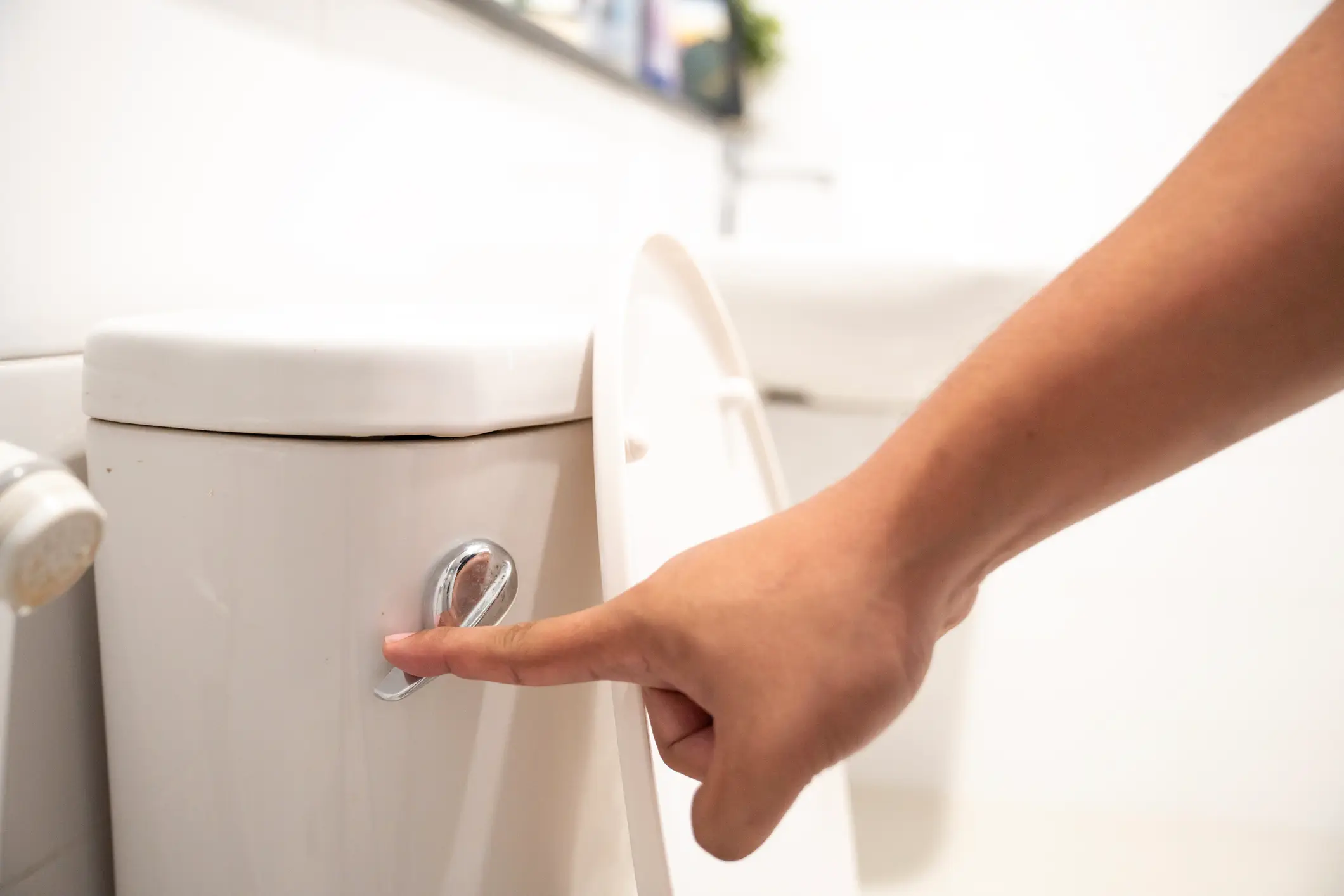
In the study, the team reviewed 22 analyses of toilet-generated aerosols and found that the ‘aerosol concentrations varied considerably between studies, depending on experimental conditions, toilet characteristics and sampling methods’.
The findings of the experiments in the study, which was published in Science of the Total Environment, concluded that the best practice for maintaining good toilet hygiene is to keep the lid closed while flushing.
Adiyani continues: “Based on the available evidence, I would recommend closing the toilet lid before flushing, where a lid is available, as a precautionary measure to minimise potential inhalation exposure - while recognizing that it does not completely prevent aerosols from escaping.”
Professor Harriet Whiley from Flinders University’s College of Science and Engineering, who is also a research co-author, goes on to say that the findings also highlight some important research gaps and ‘priorities for future investigation’.

She adds: “Further research is needed to develop design and engineering interventions that reduce toilet-generated bioaerosols, particularly in high-risk settings such as hospitals.”
The study concludes with: “Seeding concentration and flush volume were significantly associated with airborne aerosol and bioaerosol concentrations, whereas the effects of lid position and ventilation could not be clearly determined due to limited comparable data.
“A one log₁₀ increase in seeding concentration was associated with an approximately 2.6-fold increase in aerosol and bioaerosol concentrations, while each additional litre per flush corresponded to an approximately 1.3-fold increase.
“These findings suggest that microbial loading and flushing energy are important determinants of aerosol generation during toilet flushing, emphasising the importance of managing microbial loading, particularly when toilets are supplied with recycled water.”