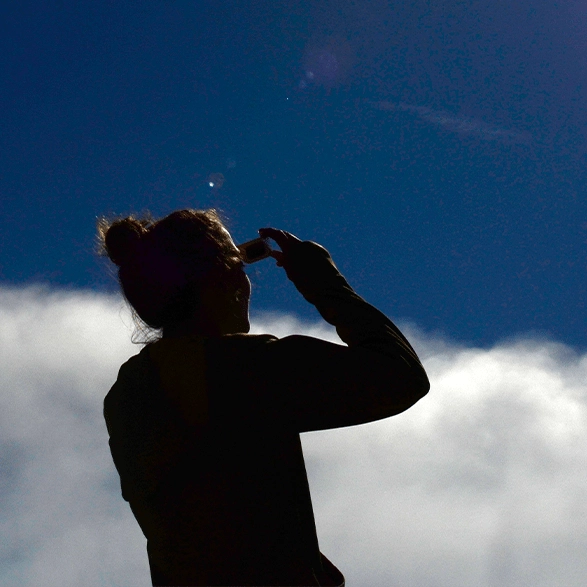
Blind people can see and feel the total solar eclipse with new tech


The total solar eclipse is fast approaching, and for this celestial event, people who are blind or visually impaired won't be left out.
Incredible technology has been developed which translates the eclipse onto sound and touch devices, and they will be available at public gatherings across North America on April 8.
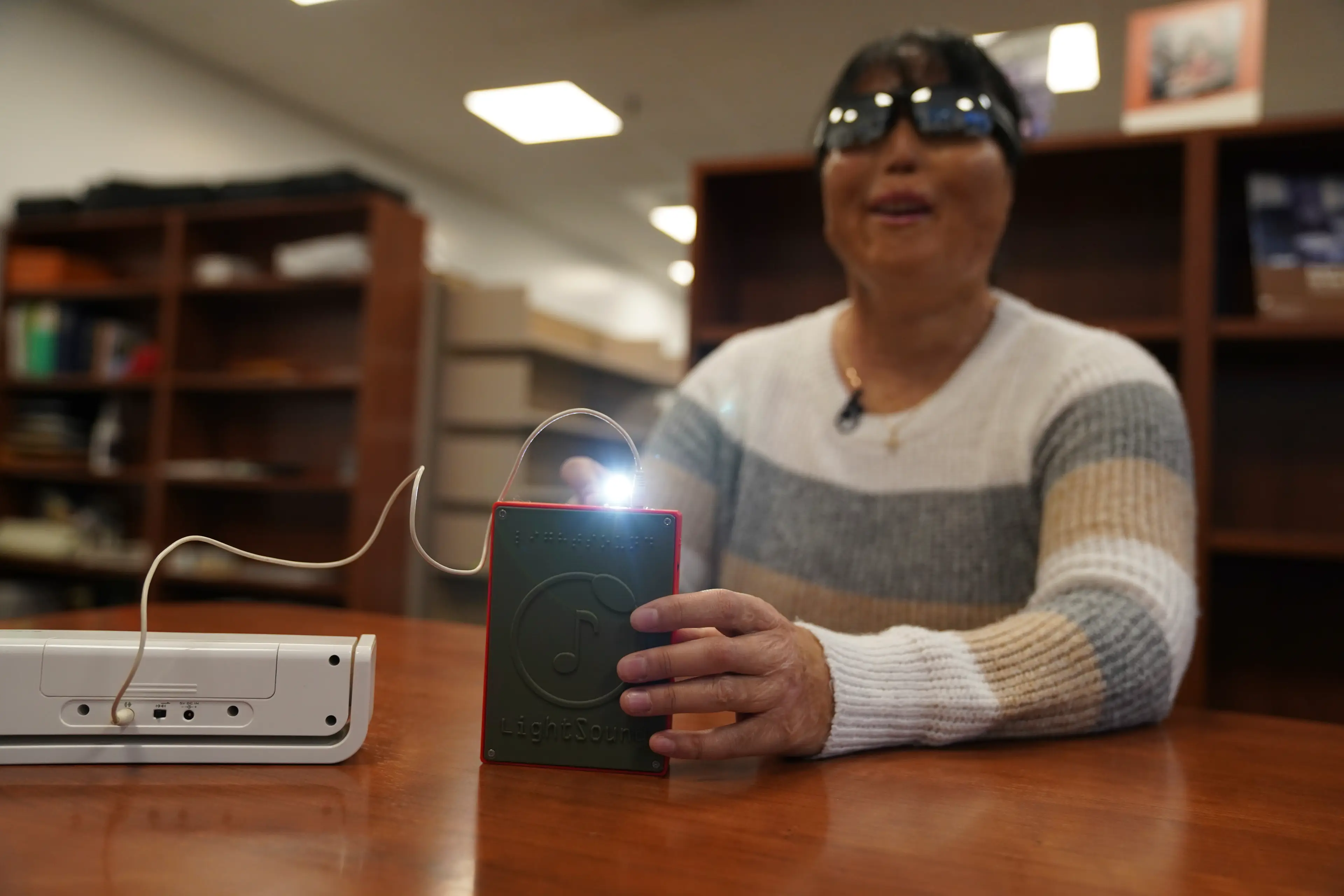
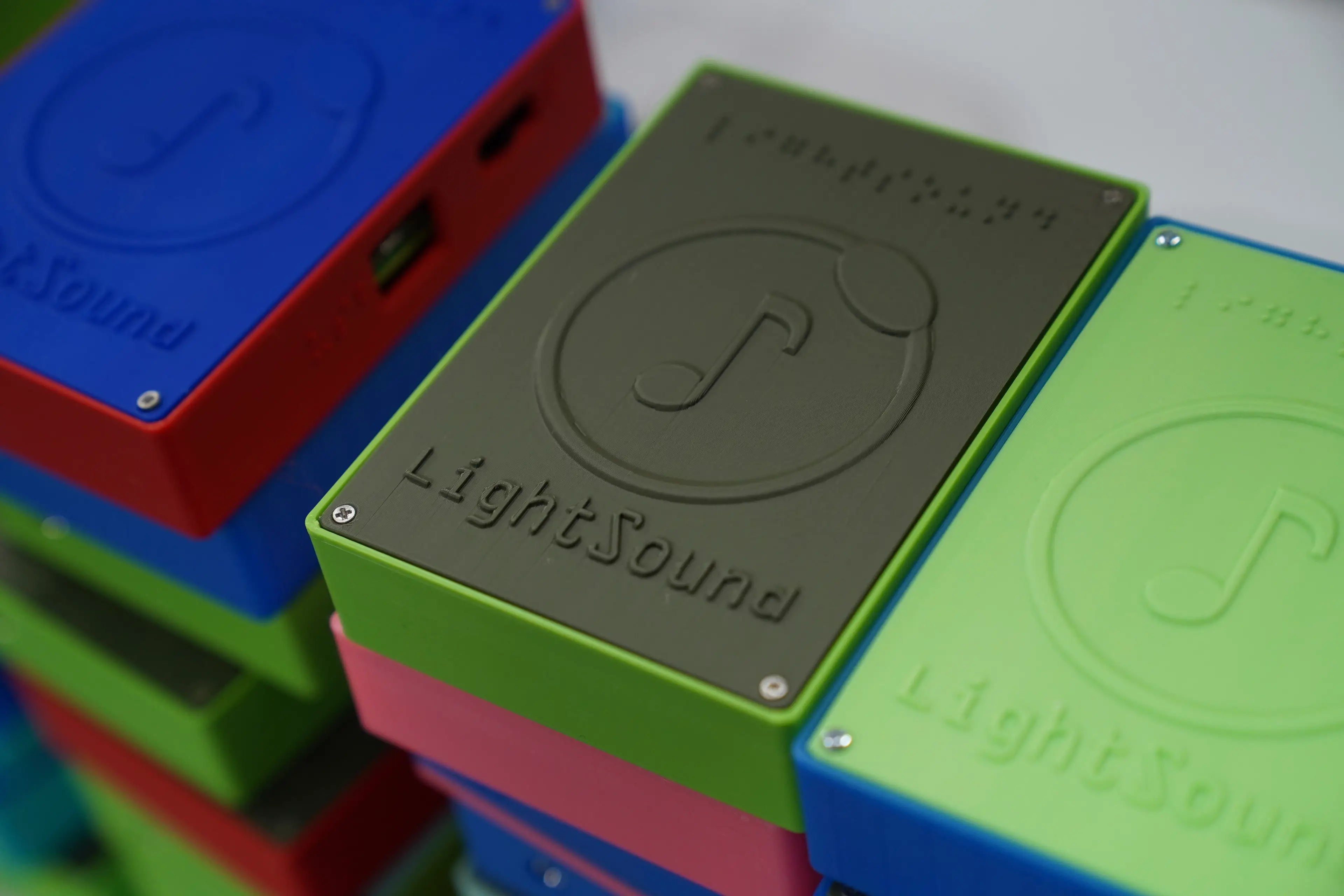
Called the LightSound device, it is a collaboration between Wanda Díaz-Merced, an astronomer who is blind, and Harvard astronomer Allyson Bieryla.
Advert
The way it works is really clever - it translates the changing light as the Moon covers the Sun into different musical notes, meaning those who are blind or visually impaired will be able to experience the eclipse.
The first prototype was used during the 2017 total solar eclipse in the US, and this one will see a much wider roll-out.
The duo are working towards having at least 750 devices in places holding eclipse events in Mexico, the US and Canada.
“The sky belongs to everyone. And if this event is available to the rest of the world, it has to be available for the blind, too,” Díaz-Merced said. “I want students to be able to hear the eclipse, to hear the stars."
When the Sun is bright, the LightSound box will emit high, delicate flute notes - as the eclipse begins, mid-range sounds will be made by a clarinet; and when there is total darkness, the box will make a low clicking sound.
Yuki Hatch, a visually impaired high school student in Austin, Texas, is a space enthusiast who hopes to become a computer scientist for NASA.
She'll be listening to the LightSound box on eclipse day at the Texas School for the Blind and Visually Impaired, and said: "Eclipses are very beautiful things, and everyone should be able to experience it once in their lifetime."
And the LightSound device isn't the only bit of tech making the solar eclipse more accessible.
There's also the Cadence tablet from Indiana's Tactile Engineering, which is about the size of a smartphone and has rows of moving dots over the surface.
For the eclipse, "A student can put their hand over the device and feel the moon slowly move over the sun", explained Tactile Engineering’s Wunji Lau.
Jazmine Nelson, a sophomore at the Indiana School for the Blind and Visually Impaired, will join NASA's big eclipse-watching event at the Indianapolis Speedway.
She said that using the tablet for the eclipse means "you can feel like you’re a part of something".