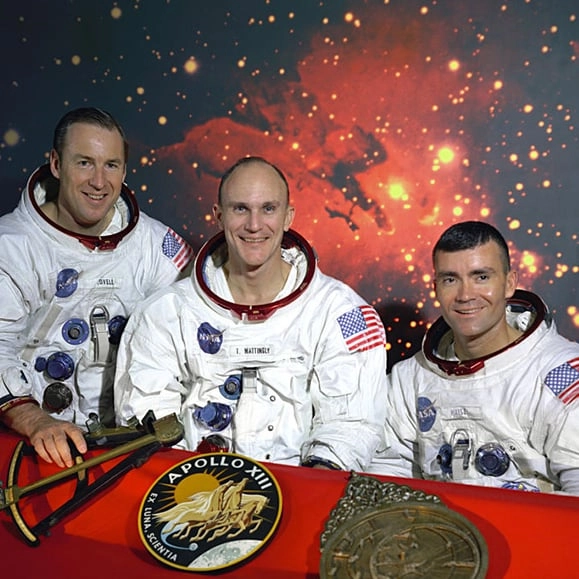
Incredible story of how three astronauts survived after getting lost in space more than 50 years ago


Nowadays, getting lost or taking the wrong turn can usually be resolved pretty easily.
Thanks to handy apps like Google Maps, you never really need to know where you’re going as long as you know your destination.
But above the atmosphere, navigating a spacecraft is an entirely different - and much more difficult - scenario.
Advert
No inputting the fastest route onto your phone - the task of getting humans safely to and back from space can be an ‘extremely perilous’ task, according to YouTube channel, ColdFusion.
Uploading a video onto the site, the YouTuber shares an incredible story of how three astronauts survived after they got lost in the vastness of space.
The incident occurred in April 1970, when Apollo 13 took off from Earth and was headed for the moon.
In the clip, ColdFusion said: “The apollo 13 mission setup of the craft was in three parts - the cone-shaped command module where the three men would be for most of the trip, the spider-like lunar module that would carry two of the three astronauts to the moon, and lastly the service module, it was a large cylindrical craft with the main engines and oxygen tanks.”
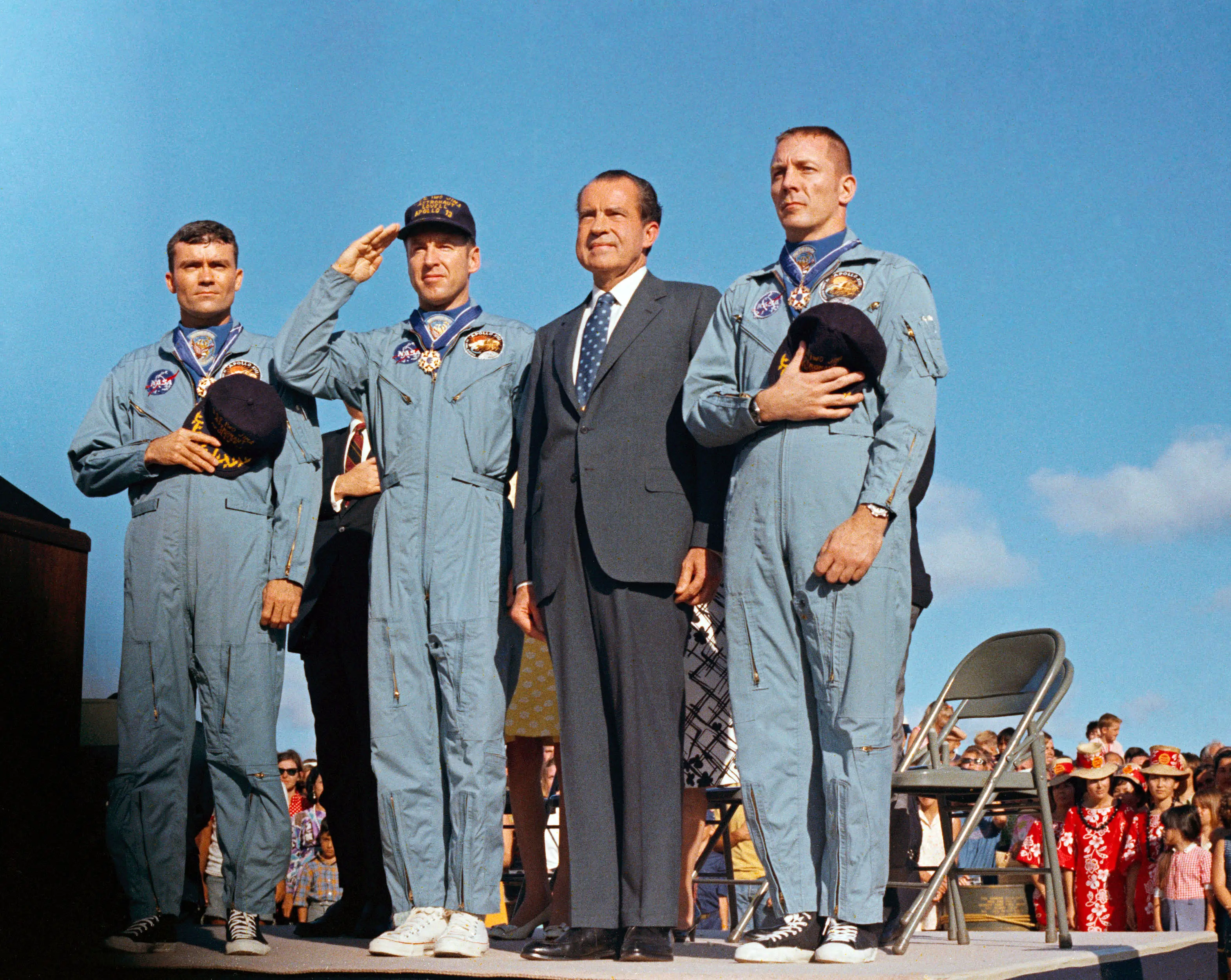
Everything seemed to be going smoothly for the three-man crew but unbeknownst to them, just a few meters below where they say were ‘some cracked wires next to a highly flammable oxygen tank’.
When they had reached four-fifths of the way to the moon, and were over 200,000 miles away
from Earth, one of the tanks exploded with a bang.
The video went on to say: “At this moment, the master alarm light and an electrical power failure warning was triggered.
“‘Houston, we have a problem here,’ these were the famous words that mission commander James Lovell reported to mission control.”
Engineers at mission control scrambled to figure out what was wrong with the spacecraft while Lovell looked outside the window and noticed gas leaking, and the horror sunk in that it was their precious oxygen supply.
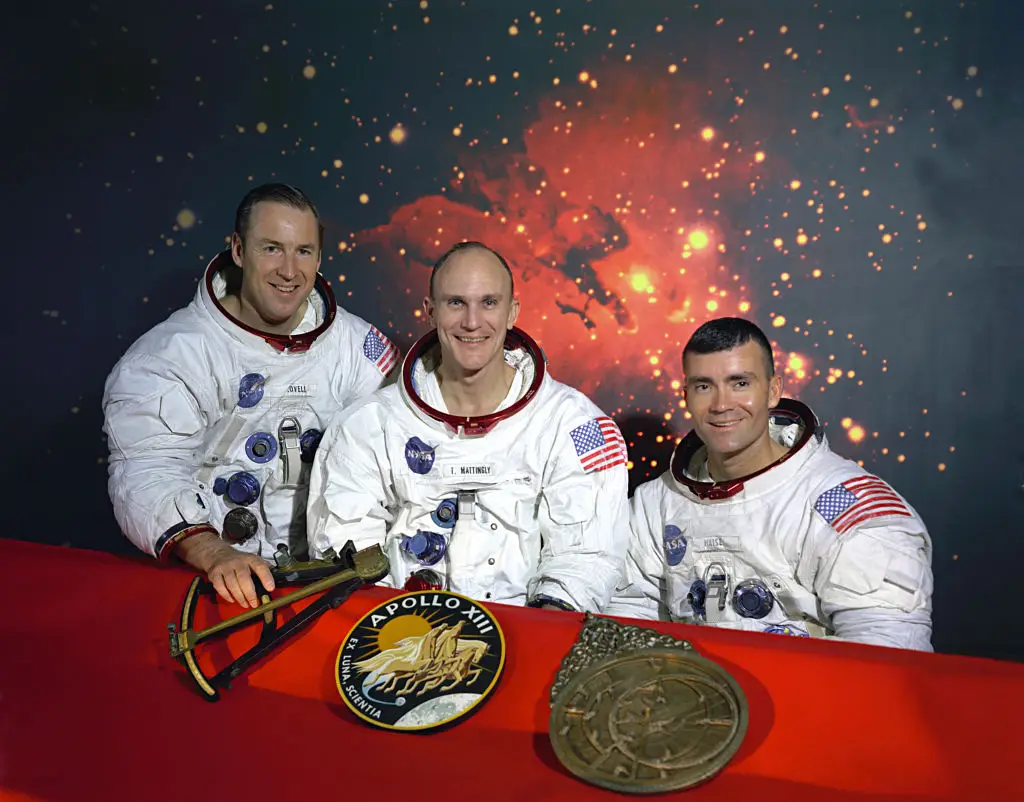
In the video, ColdFusion continued: “They were now without electricity, light and water, 200,000 miles away from Earth and still traveling rapidly in the wrong direction.
“Landing on the moon was out of the question now, the first thing they had to do was correct their trajectory.”
The explosion of the tank had shifted them off course and if they didn't correct it, they would swing around the moon and upon their return, they would miss Earth completely.
An hour after the explosion, a decision was made to move to the lunar module which would act as a ‘lifeboat’.
In order to conserve power, the temperature of the spacecraft was brought down to below freezing.

With only 15 minutes of power and oxygen left, they transferred to the lunar module, which ‘wasn’t an ideal situation’.
The video recalls how the vehicle was ‘flimsy looking’, adding: “The crew compartment had no amenities whatsoever, it didn't even have seats. You could easily, if you were careless, put your boot or your foot right through that wall.
“If someone moved their foot the wrong way it could puncture the craft and their oxygen could escape and they'd all die.”
“They decided to leave the guidance computer on for now and then turn everything off and float to Earth in below freezing temperatures for three days. To conserve water, the crew had to cut down their intake to about a fifth of normal.”
Their last battle was to move back to the command module just before their final flight to Earth.
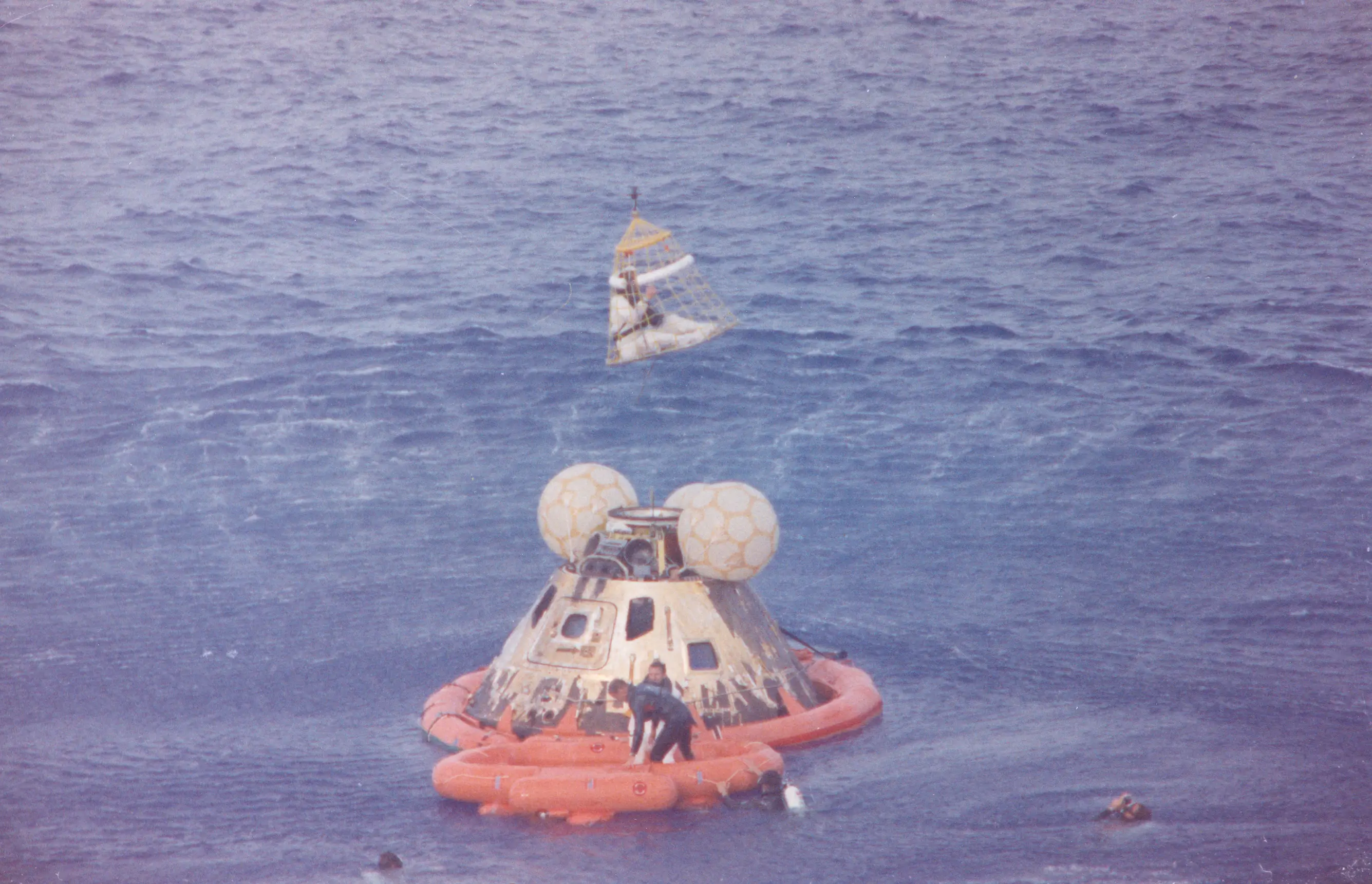
There was a chance that the spacecraft could be non-functional but to everyone’s relief, when the crew turned the switches back on, everything powered up.
Upon re-entry into the Earth’s atmosphere, communication was lost and the world thought the astronauts had perished until the words ‘okay Joe’ were heard on the radio.
Their parachutes had deployed, returning them safely to the ground and the mission was considered to be a successful failure.
The final crewed mission to the moon took place two years after Apollo 13’s lucky escape, with the main reason largely being cost related.
But now, it looks like moon landings could return as NASA plans to put humans back on the moon in 2026.