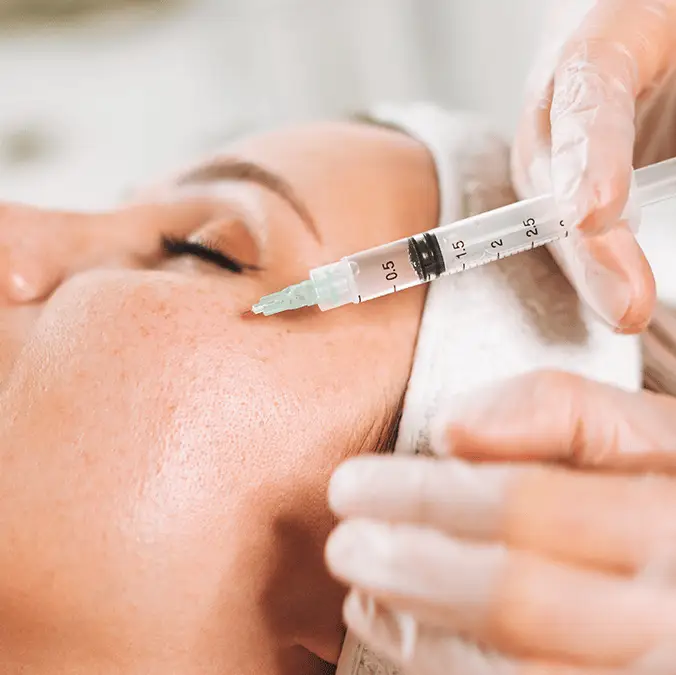
Plastic surgeons are now using fat harvested from dead people in controversial new procedure

Plastic surgeons are now using fat harvested from dead people in a controversial new procedure.
From face lifts and tummy tucks to lip fillers and Brazilian butt lifts, cosmetic procedures have become increasingly normalised, with millions of people worldwide going under the knife or needle each year to alter their appearance. But this latest development in the beauty field might be the most bizarre yet.
Cosmetic surgeons have started using a 'fat filler' extracted from deceased individuals to give patients bigger breasts and buttocks, along with other body contouring tweaks, according to reporting by Business Insider.
Advert
Known as alloClae, the trending product is manufactured by biomedical science business Tiger Aesthetics.
Despite its disturbing origins and expensive price tag from $10,000 up to $100,000, alloClae has become a popular option within plastic surgery procedures due to its shorter recovery times and absence of anaesthesia.
“People are paying for the convenience,” Sachin Shridharani, a New York City plastic surgeon, said.
In the past, plastic surgeons have relied on implants or siphoning fat from another section of the body to perform body contouring. But alloClae has allowed a more flexible option that's growing in demand.
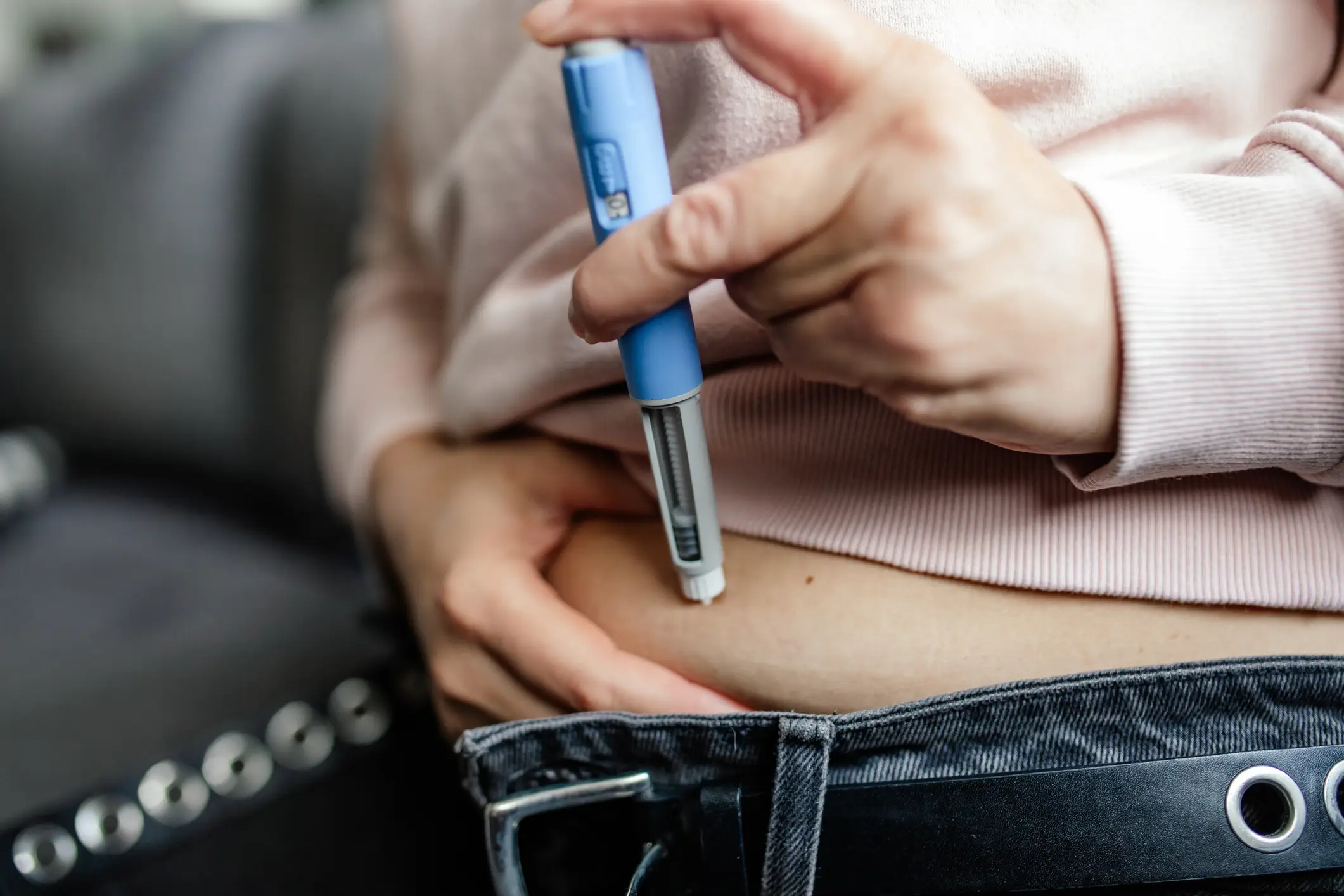
According to Shridharani, more patients are showing interest in the controversial procedure as a result of taking GLP-1 agonist weight loss drugs like Ozempic, which have left faces and bodies with loose, sagging skin from rapid weight reduction.
“In their own words, ‘I’ve got no ass,'” Shridharani said. “‘My trousers look like they’re falling off.'”
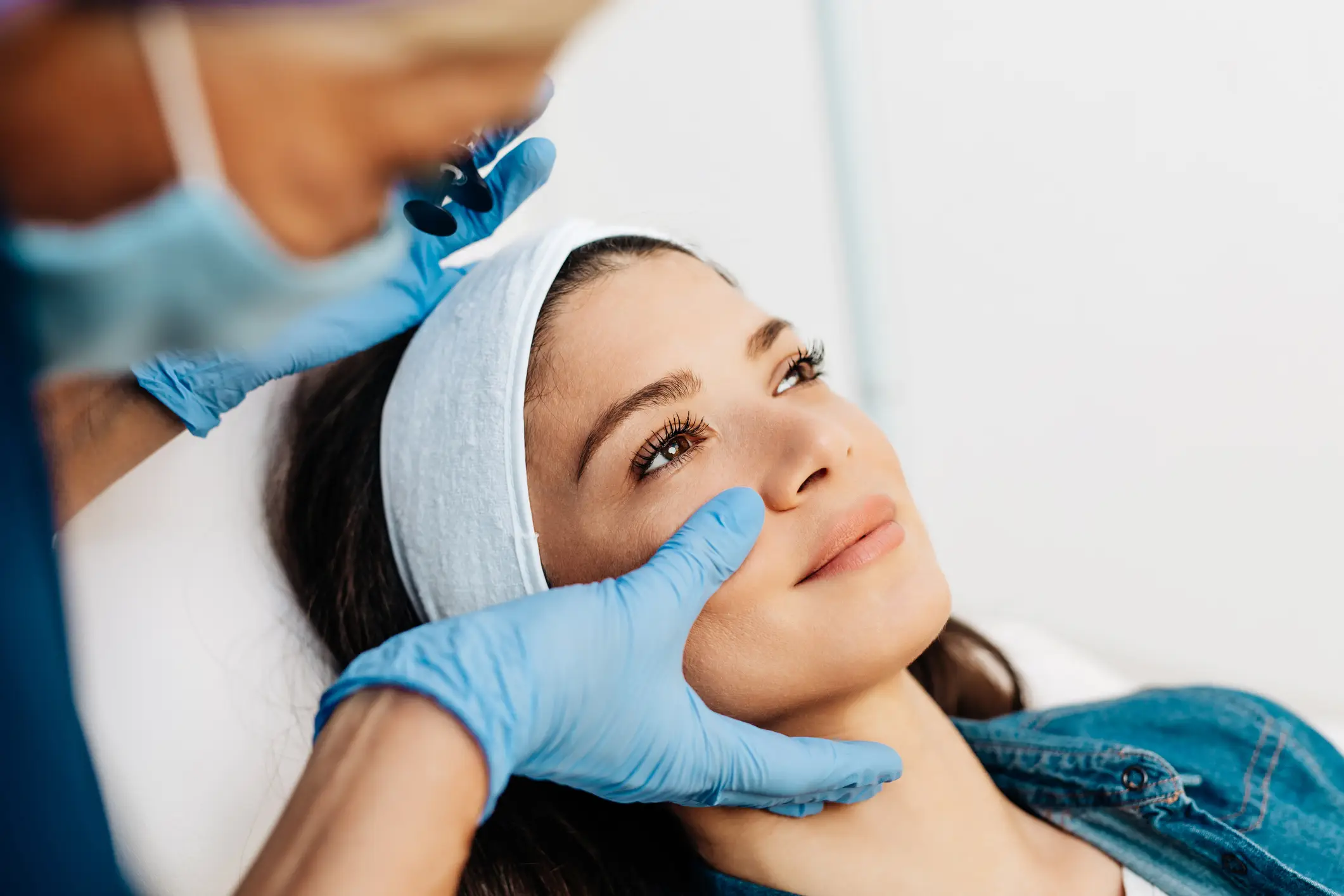
So how does the morbid procedure work?
Typically, organs from organ donors are allocated to transplantation or medical research. Simultaneously, tissue banks collect fat cells from deceased donors' abdominal areas, which Tiger Aesthetics then purchases and processes into alloClae.
“As of the beginning of 2026, we’ll be producing a ton more alloClae so that we can service the real demand that’s out there,” said Tiger Aesthetics president Caroline Van Hove.
What makes the process particularly unique, besides the obvious, is the 'inclusion of intact, nonliving donor fat cells (and their naturally occurring growth factors),' which offer instant volume, explained Darren Smith, MD, a board-certified plastic surgeon in New York City.
Meanwhile, some patients find the notion of receiving 'fat from a dead person is still a little macabre,' says Troy Pittman, MD, a board-certified plastic surgeon with practices in Washington, DC, and New York City.
Thankfully, D. Pittman assured that donated fat can also be considered 'a natural alternative [to synthetic fillers and implants],' adding that: “Once your body incorporates the graft, the fat is going to be more yours than the donor’s.”