
Scientists discover exact timeline for brain to heal after giving up alcohol


New tests involving mice have provided scientists with a potentially vital understanding of how the brain heals after giving up alcohol, and it could be key to helping people avoid relapses after forced abstinence.
Not only did they discover that the mice were far more likely to seek out alcohol that had been artificially made bitter if subjected to a forced abstinence period, but also that there were signs presented within a part of the brain known as the bed nucleus of the stria terminalis, or BNST for short.
As reported by the Independent, what this reveals is the impact that alcohol withdrawals can have on the body, providing a clearer pathway for recovery that hopefully avoids issues with relapsed alcohol use disorder among at-risk individuals, protecting their health as a result.
There still remains the necessity for human testing, as what occurs in mice might not necessarily be reflected equally in our own bodies, but it likely serves as a major step forward in treating alcoholism.
How did the study work?
Professor Danny G. Winder and Marie Doyle of the UMass Chan Medical School conducted the study, following mice that had been given long-term voluntary access to alcohol, with a group then subjected to a forced abstinence period.
Advert
This group appeared to develop what's referred to as 'aversion-resistant alcohol intake', which reflects their willingness to continue drinking alcohol despite it being made incredibly bitter after the fact.
"Moreover, compared to those who did not experience forced abstinence, these mice drank even larger quantities of the very bitter alcohol," the scientists explain, adding that "these results suggest there are potential bodily challenges associated with abstinence that contribute to relapses in alcohol use disorder."
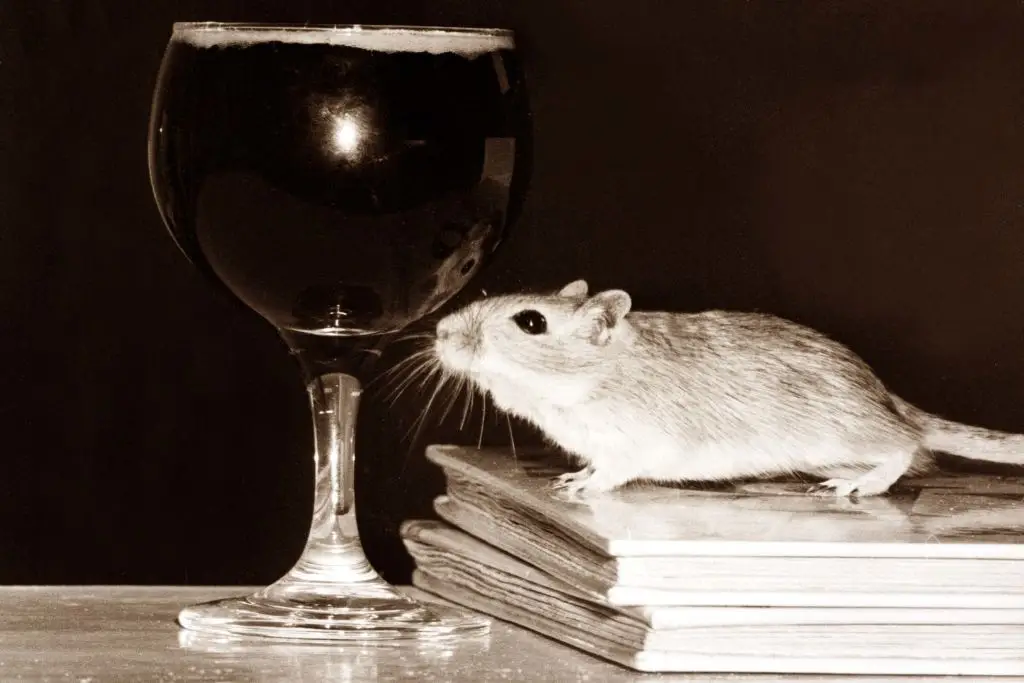
The researchers also analyzed a group of cells within the BNST, which appears to indicate alcoholism-associated symptoms like anxiety and depression among suffering individuals.
Mice subjected to forced abstinence had increased activity in the BNST when reentering the area where they were previously given access to alcohol, and would also attempt to drink from the same spout even though it only contained water, with cells mirroring the symptoms regardless of the absence of alcohol.
"Abstinent mice who had developed the taste for very bitter alcohol had more than double the activity in this brain area compared to mice that did not experience forced abstinence," the researchers evaluate.
Perhaps most importantly, however, the scientists were also able to track activity spikes in the BNST before bitter alcohol was even consumed, implying that doctors could perhaps track and predict when human individuals could be vulnerable to relapses before they happen.
What impact could this have on alcoholism?
While this wouldn't necessarily help the millions of people across the world currently suffering from alcoholism, it could instead prove to be key in preventing people from relapsing once they choose to stop, and also identifying risks present in the brains of those who choose to abstain.
"While harm reduction – a major component of opioid use disorder treatment – is being explored in alcohol use disorder, abstinence remains a mainstay of most approaches to this addiction," outline the scientists, indicating why discovering the risks associated with abstinence is key.
"Developing better strategies for identifying those at risk of developing alcohol use disorder and helping them navigate treatment strategies may improve treatment," they continue.
Going forward, this discovery could be combined with neuroscience treatments that see researchers manipulate certain areas of the brain, potentially suppressing activity within the BNST to avoid relapsing during early abstinence.