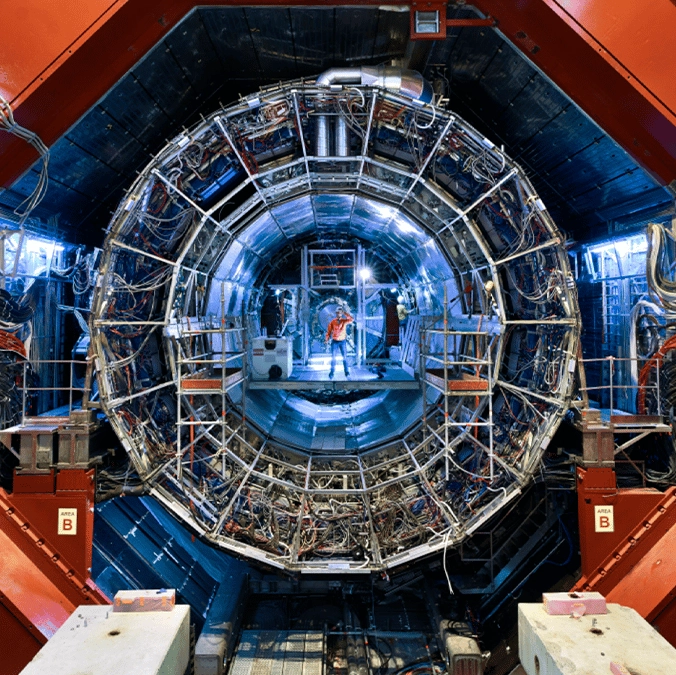
Scientists at CERN just made a discovery that could completely 'rewrite physics'


The European Organization for Nuclear Research, also referred to as CERN, is where many of the world's greatest scientific discoveries are made and research is carried out, and a new study might just have the potential to rewrite physics altogether.
Scientists might not always be able to find the answers they're looking for when they pose increasingly complex questions, but one of the most fascinating byproducts of that is often the discovery of something unexpected.
It's how many of history's greatest inventions are found, as you often don't know you're looking for something potentially game-changing until it's right there underneath your nose.
A new discovery made as part of a study at CERN could have the potential to rewrite our understanding of physics as a whole, however, as it proposes the notion that there are 'unknown' things at play.
What did CERN researchers discover in this new study?
As reported by ScienceDaily, researchers at CERN were looking into an incredibly rare form of particle transformations known as 'penguin decays' when they found irregularities between the results and the theoretical predictions proposed.
Advert
This led them to believe that there was the possibility of 'unknown' particles or forces that could be influencing the results outside of the scientists' knowledge, suggesting that there could be important factors we have zero understanding of.
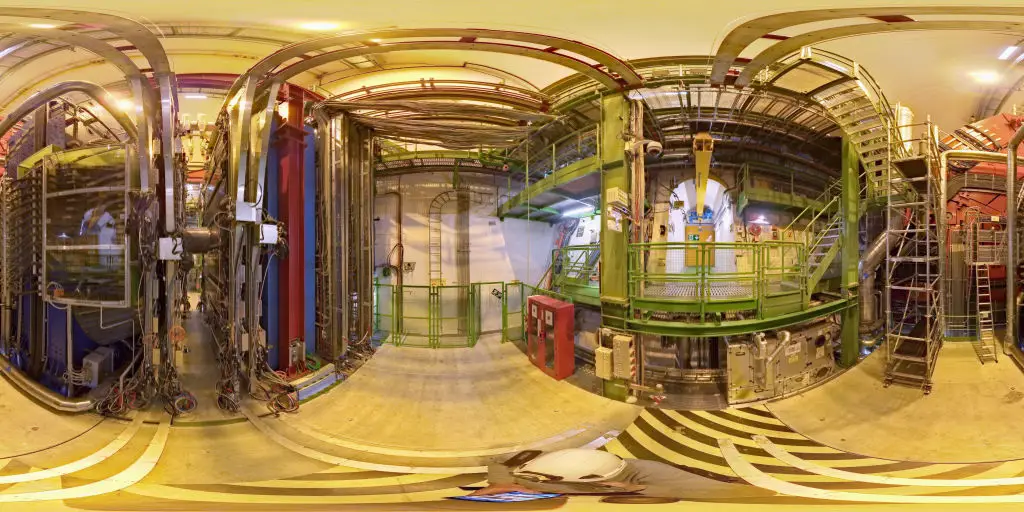
Penguin decays themselves got their name from a lighthearted interpretation of the visual process where particles decay into other particles through a closed quantum loop, as it looks a lot like the body of the standing animal.
They are particularly relevant to this discovery as penguin decays are used by scientists to find previously undiscovered or 'secret' particles potentially floating within the universe, as there's a chance that they could jump into the active loop and disrupt predicted results.
How could this discovery rewrite physics?
The possibility of unknown forces at play could completely rewrite how scientists understand and work within physics, as it effectively proves the hypothesis that there exist things outside of our control or knowledge.
In this particular instance it's unclear what exact form these particles or forces would take, but they could have the potential to topple the Standard Model theory that has dominated particle physics for over half a century.
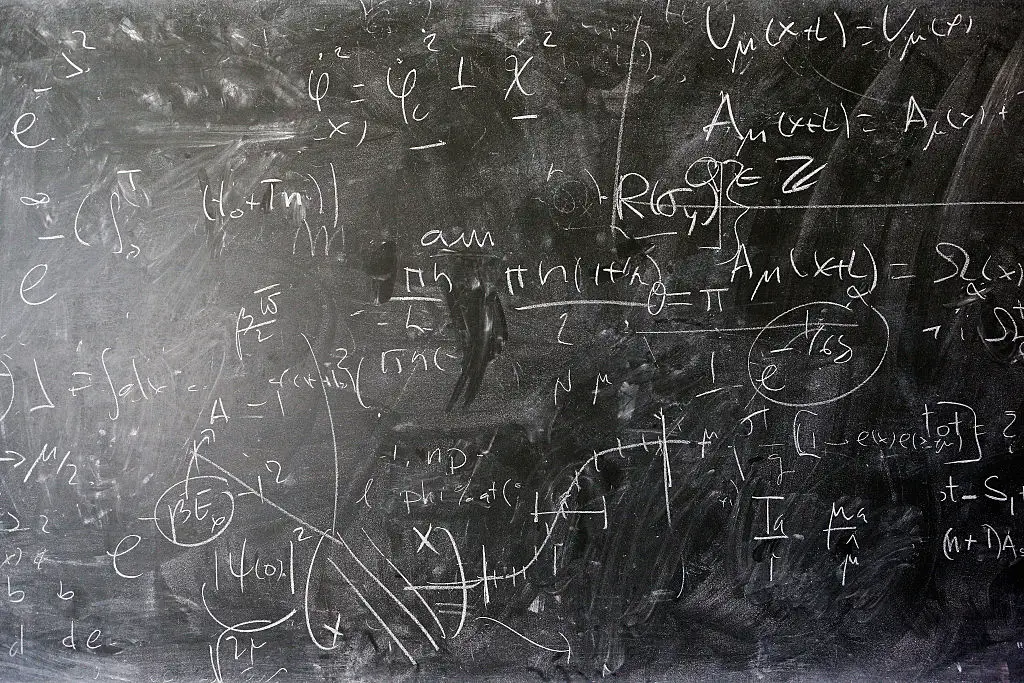
Scientists have long-predicted that the Standard Model – while holding up under scrutiny for decades – can't be telling the whole story of physics, especially as it doesn't explain both gravity and dark matter, the latter of which continues to mystify researchers.
This new interpretation could provide a better understanding of these unknown properties, however, providing potentially revolutionary progress within space research and our broader understanding of the universe.