
Scientists make groundbreaking discovery about Alzheimers that could change how we treat


A new scientific discovery could lead to game-changing treatments for Altzheimer's, as researcher explore the possibility of slowing down the progression of the disease, as opposed to eliminating it altogether.
Altzheimer's, and dementia more broadly, is incredibly challenging for health experts to treat, with scientists and doctors yet to formulate an actual cure or consistent means of treating the disease when it appears within the brain.
That could soon change following a groundbreaking discovery by researchers at the University of Utah, as they have uncovered a key mechanism that relates to the spread of Altzheimer's throughout your brain, hinging on a protein known as 'Arc'.
As reported by Newsweek, Arc normally helps neurons communicate with one another inside of the brain under health conditions, yet the protein could actually be assisting and accelerating the spread of Alzheimer's when the cognitive disease is developed.
Advert
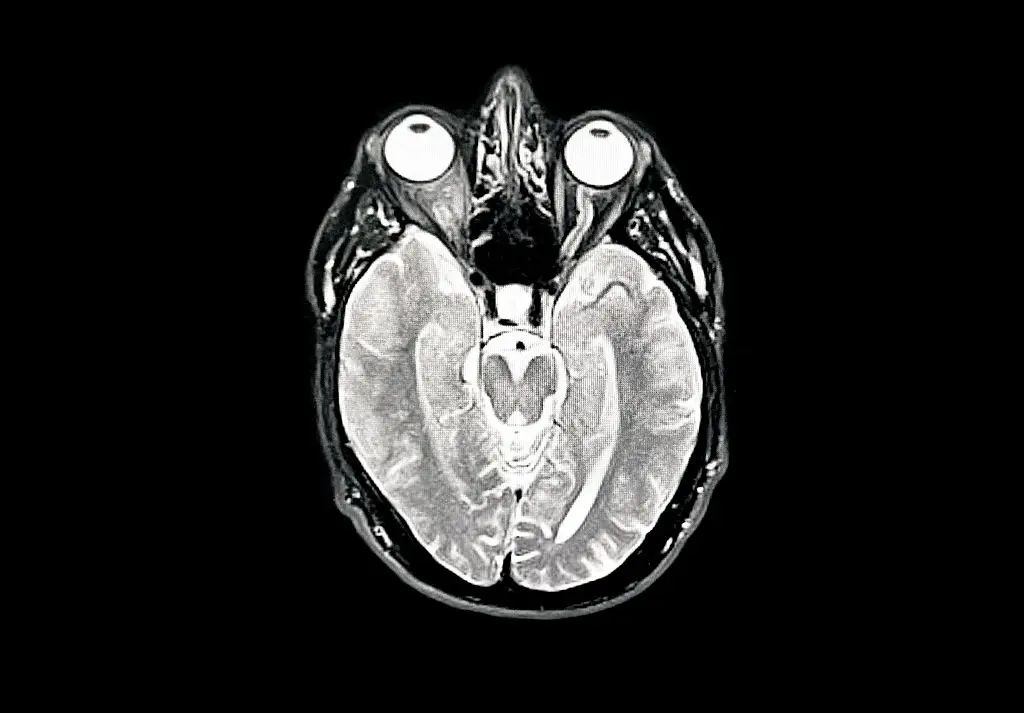
Scientists were able to discover Arc transporting Tau proteins – which become toxic after Alzheimer's emerges – from damaged brain cells into healthy ones, suggesting that preventing this movement could help dramatically slow down the development inside of the brain, even though it doesn't technically remove or reverse the disease.
Anavex Life Sciences president Dr. Christopher U. Missling illustrated to Newsweek why this discovery could prove to be so important to how we treat Alzheimer's going forward, potentially providing a pathway to mitigate the impact of the disease on the brain of those affected by it.
"For decades, research has been focused on the toxic buildup of Tau inside neurons," Dr. Missling explains, highlighting a potential red herring of sorts when it comes developing treatment methods.
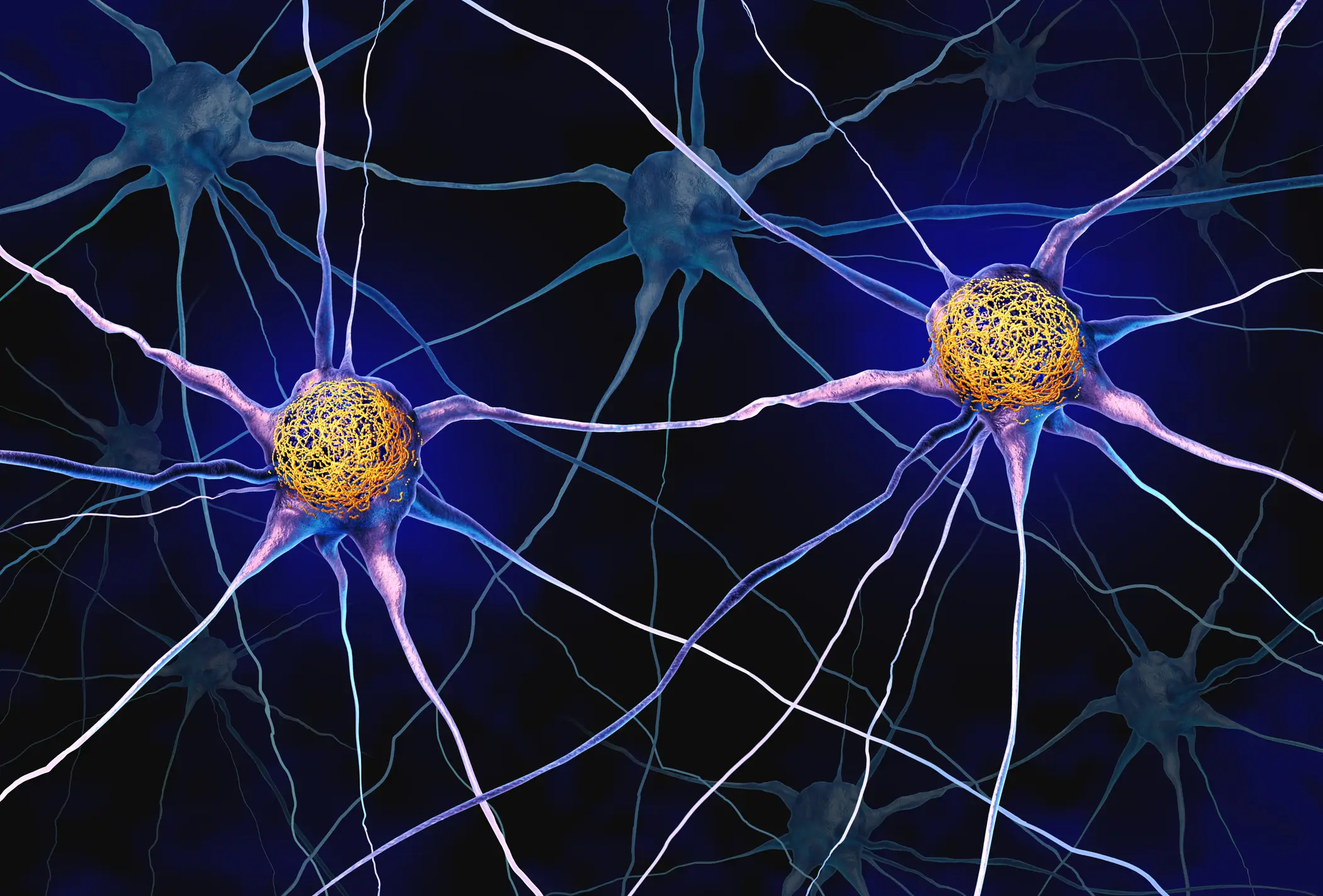
"This study reframes the problem by showing how Tau may exploit the brain's own communication machinery, specifically the Arc protein and its extracellular vesicle system, to spread between cells."
This new understanding of how Alzheimer's works within the brain "underscores how normal synaptic signaling proteins can become hijacked in disease," Missling added, "blurring the line between physiological and pathological communication."
The only 'downside' per se of this new approach to Alzheimer's is that there still isn't a formal treatment that can do anything about the potentially fatal disease, although this provides a real pathway to methods that could completely change the lives of those living with the disease.
Experts will still search for a cure even with this new potential treatment in place, but it critically provides time for scientists to work with and relief for patients, which is far more than you could possibly ask when dealing with something like this.