
Doctor rates the world’s most painful medical procedures including one ‘unbearable’ common surgery


Everyone has a different pain threshold, and while some people might brand you a wimp for bailing out of a tiny tattoo before the needle touches you, others are known to nod off as they get inked for hours on end.
There's a big difference between threshold and tolerance, with your pain threshold being when you first feel pain and tolerance being the maximum amount you can endure.
There is plenty of science into how we measure pain, with Cornell University's James D. Hardy, Harold G. Wolff, and Helen Goodell introducing a dolorimeter all the way back in 1940.
More modern methods have evolved, as have methods of anaesthesiology since the days when cocaine was used. While we know you can actually die from a broken heart and many consider a breakup one of the most painful things we can go through, Dr. Dean Eggitt has revealed what he considers the most 'painful' thing a human being can experience when going under the knife.
What are the most painful surgeries?
The consultant primary care physician spoke to the Daily Mail and explained: "While everyone will experience pain differently, there are definitely some procedures that are more painful than others like spinal fusion, open chest surgery and total knee replacement."
Advert
As for why these surgeries are considered more painful than others, Eggitt said that it's the aftercare that puts them at the top of the list: "All of these procedures disrupt bones and nerves and cannot have total immobilisation afterwards. So while the actual surgery might not be too painful, the extensive physiotherapy required for full recovery can be very painful."
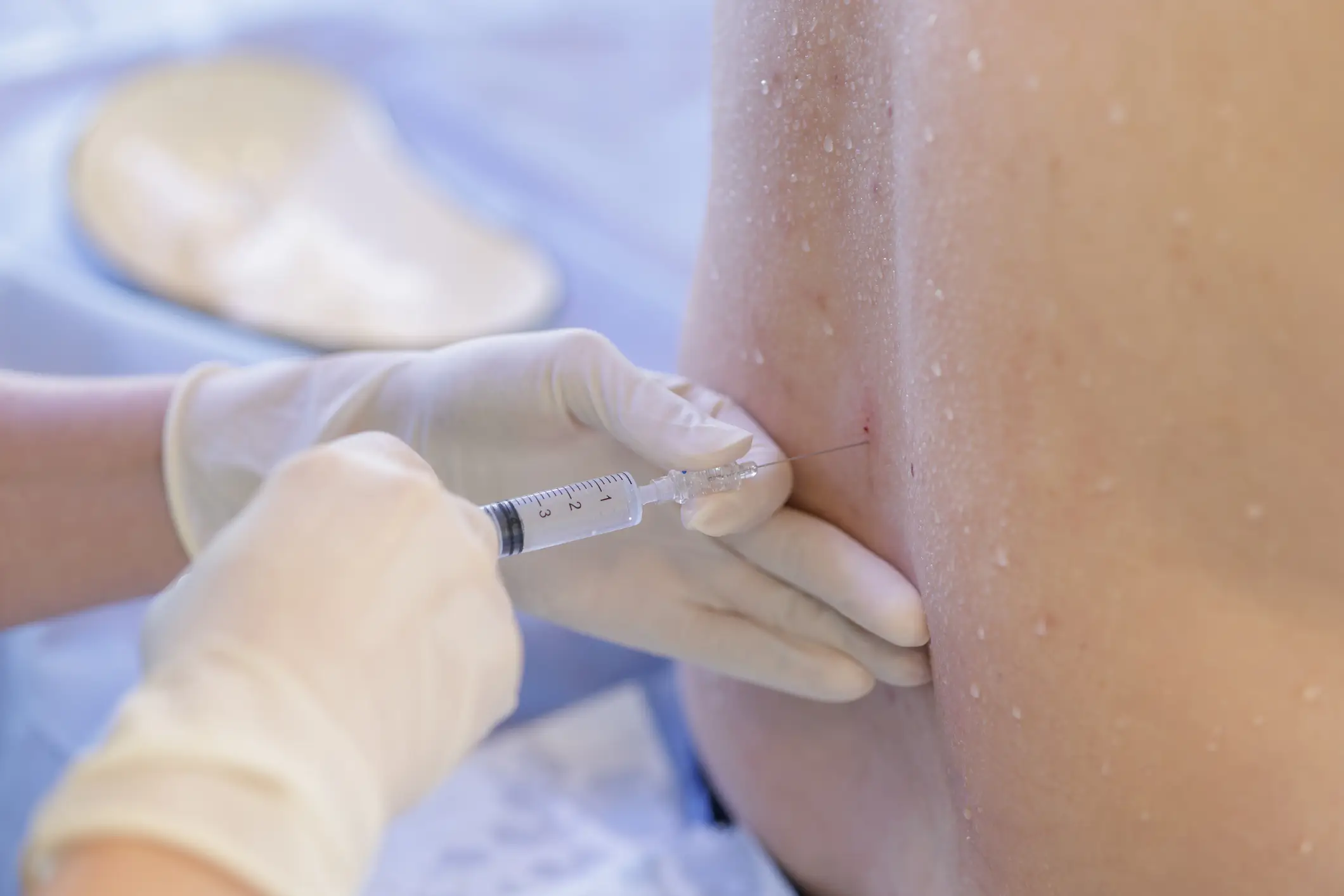
Lumbar puncture
Also known as a spinal tap (not the band), a needle is inserted into the space between the bones in your lower back, with the patient needing to be awake. Often used to find out whether brain or spine conditions are causing symptoms, a lumbar puncture can also be used to treat infections, tackle cancer, or administer anaesthesia.
Many feel pressure and then pins and needles when undergoing a lumbar puncture, while after effects include headaches and obvious back pain, with some complications leading to nerve damage and even blood clots.
Bone marrow biopsy
Whether collecting stem cells for donation or to test for cancer, extracting bone marrow typically involves drilling into the hip bone to collect the spongy tissue and fluid within. Patients are put under local anaesthetic, meaning they're awake and might feel a pulling sensation as the cells are sucked out.
They're then left with a puncture wound and bruising around the biopsy site, with aching tending to remain in the bone for a couple of days after the operation.
Open-heart surgery
As you can imagine, having your ribs cracked open to undergo open-heart surgery isn't exactly a walk in the park. When surgery is completed (normally under general anaesthesia), doctors will wire the two halves of your sternum together with stainless steel or similar devices. This alone can take around 12 weeks to heal. Patients can then expect to experience severe pain around that area, which is made worse by movement or coughing. Another side effect includes stiffness and numbness in other areas, like your back, neck, shoulders, and arms.
Hysteroscopy
Considered a particularly painful procedure for women, a hysteroscopy examines the inside of a woman's womb by inserting a telescopic device through the cervix. More than just being uncomfortable, the Royal College of Obstetricians and Gynecologists says that a third of women who have a hysteroscopy report pain levels of seven or more out of 10. Still, it's important to diagnose or treat issues ranging from fibroids to repeated miscarriages and those experiencing bleeding after the menopause.
Total knee replacement
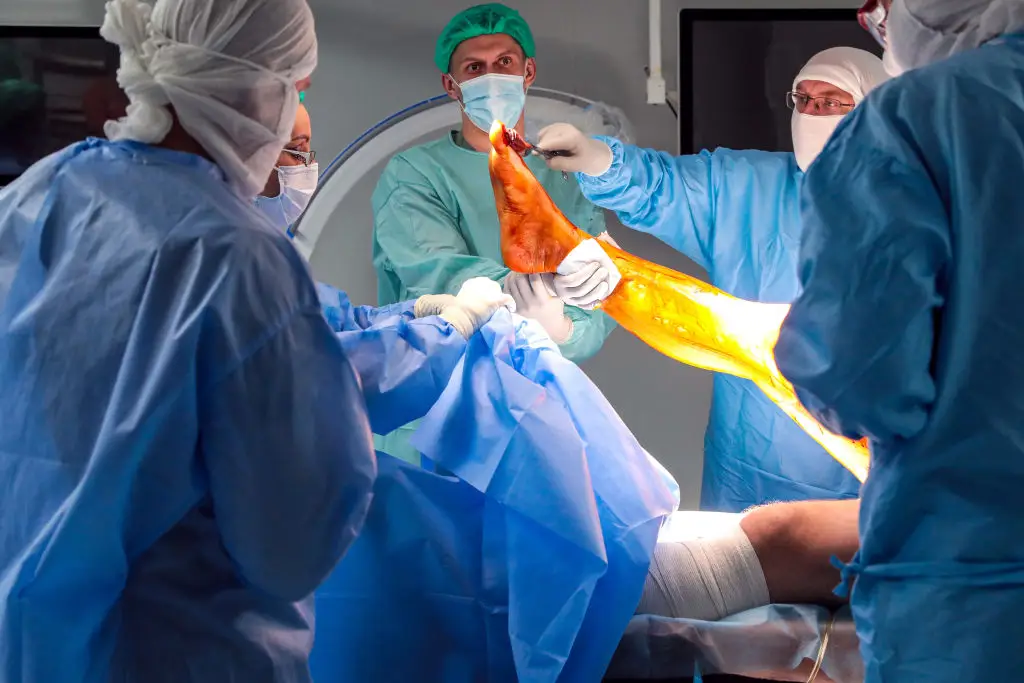
Although common, Eggitt maintains that a total knee replacement is one of the most painful surgeries we can experience if we don't plan ahead. Eggitt warned: "Don’t just think about painkillers but also seating, sleeping arrangements and daily activities.
"But it won't be pain free as the procedure is hugely traumatic to both bones and nerves."
Under either general or local anaesthetic, a total knee replacement involves the lower end of the thigh bone and the upper end of the shin bone being cut away to be replaced by metal and plastic parts.
Your knee cap is then put back over the joint and closed with either stitches or clips. Despite recovery time varying, Eggitt says it's important to start walking as soon as possible (under the advice from your doctor).
We know pain is subjective, but forget a dolorimeter, we think stepping on a plug is a far more effective way to measure pain.