Doctor performs world’s first AI-assisted brain surgery in new era for medicine


In a world first, a doctor has successfully performed brain surgery that was assisted by artificial intelligence.
It looks like we could be facing a new era of medicine after surgeons at University College London Hospital completed the operation with the help of an AI tool.
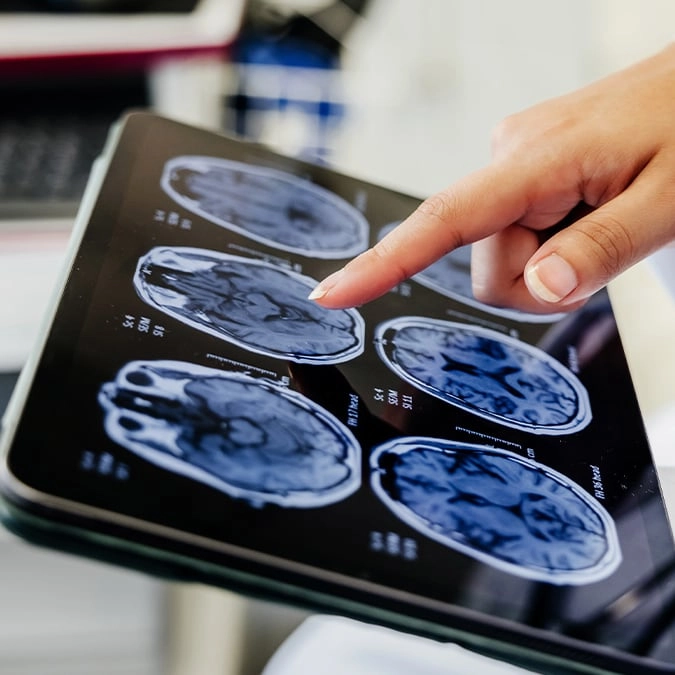
This came after patient Rhys Hibbert from Bedfordshire found out through a scan that he had a non-cancerous tumour growing on the pituitary gland of his brain.
Without corrective treatment, the dad of two could risk losing his vision but has since had the tumour removed.
Advert
In a release from the hospital, Hibbert described the experience as ‘humbling’ and ‘fitting’ for the hospital as it boasts a long record of medical innovation.
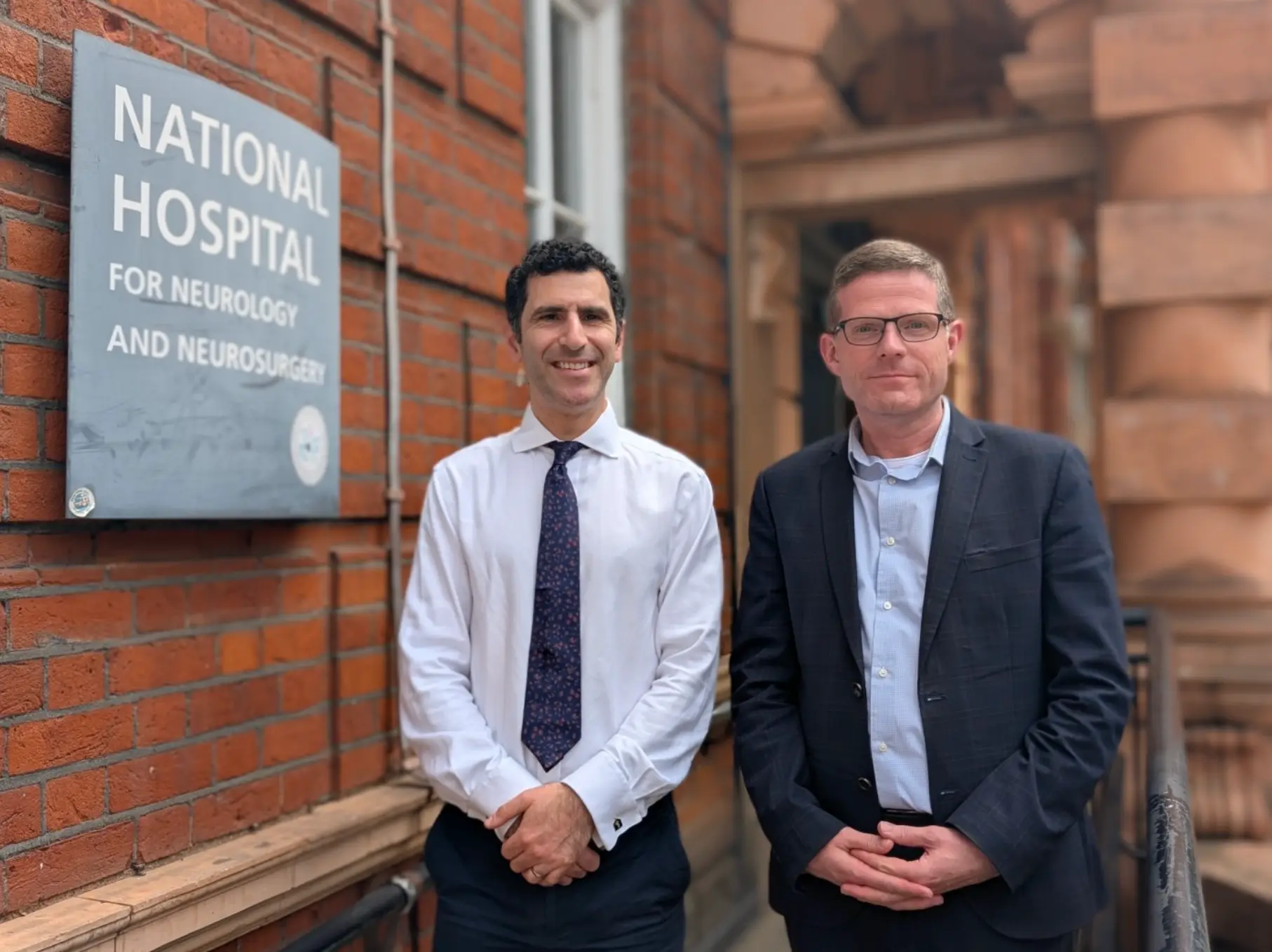
He continued: “The National Hospital for Neurology and Neurosurgery was founded in 1859… and was the world’s first dedicated neurosurgical hospital. So to me, it seems very fitting that the same hospital should also be the world's first to carry out an AI‑assisted neurosurgery.
“I’m very pleased to have had the opportunity to be cared for in the hospital… I’m also very humbled to have been asked if I’ll be prepared to be the world’s first patient in this research.”
AI tool assisted surgeons with brain surgery
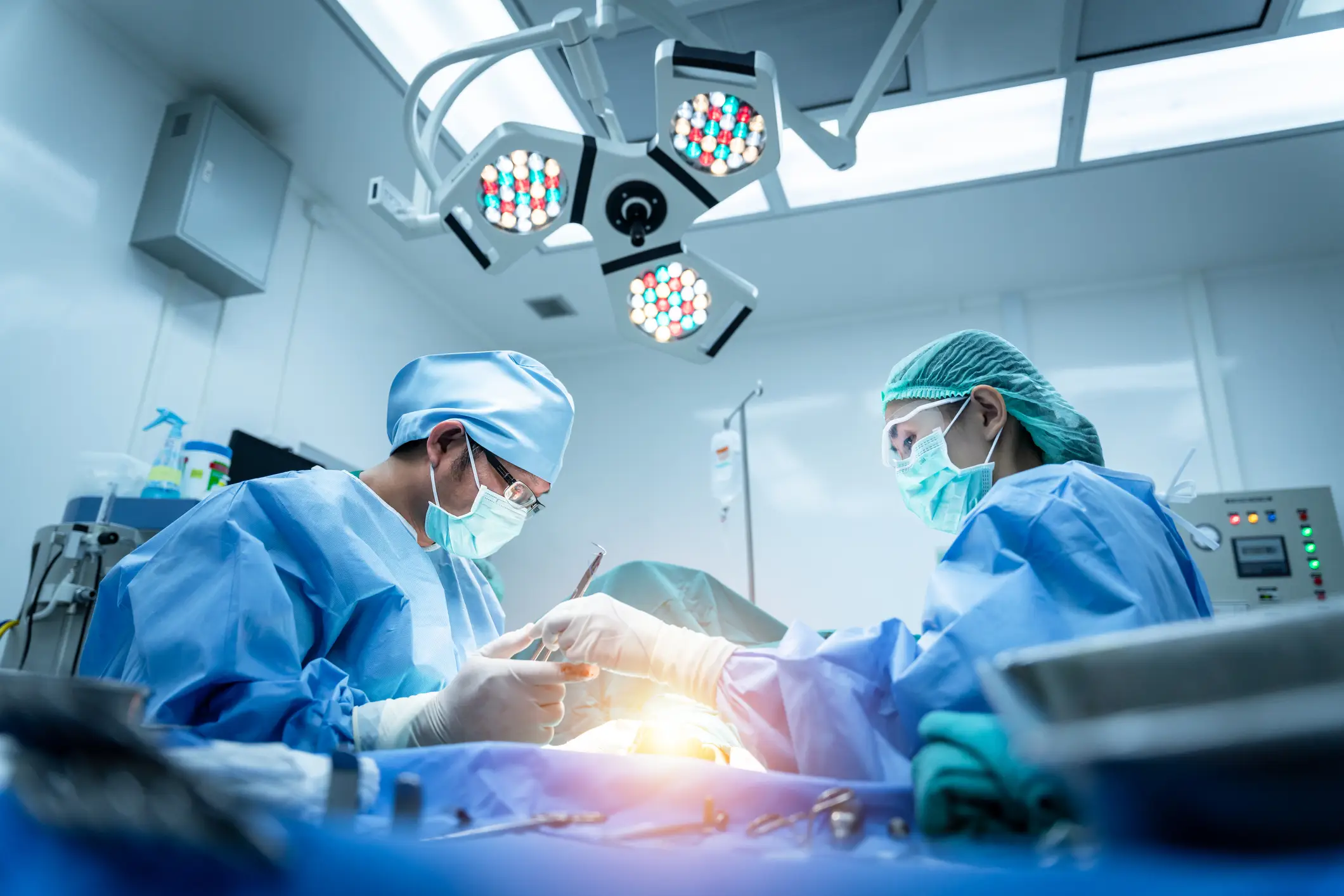
During the surgery, the AI tool was used to analyse a live surgical video feed in real time, ‘rather than using pre-surgery scans, to help the surgical team make more precise decisions by highlighting critical structures at the base of the brain’.
This helped the team to identify any risk areas to avoid while removing the tumour, enabling the experts to get as much of the mass out as possible.
James Frith, who is the Health Innovation Minister, added: “This is an example of AI at its best: patients getting care previously deemed unimaginable thanks to the latest groundbreaking technology. I am so pleased for Rhys that he had this life-changing surgery as part of government-funded research that will pave the way for the treatments of tomorrow.
“AI needs proper safeguards and we will always ensure that safety is taken seriously. But we will also ensure we benefit from the opportunities it brings to deliver faster and more effective care. That is what we mean by building an NHS that is fit for the future.”
With AI now making its way into various industries, it looks like the technology might be part of a new era of healthcare.