
Texas land donated to become a park turned into a 'massive' data center by city council


A Texas community is battling to stop a large data center development after the land was originally donated decades ago with the intention that it would become a public park.
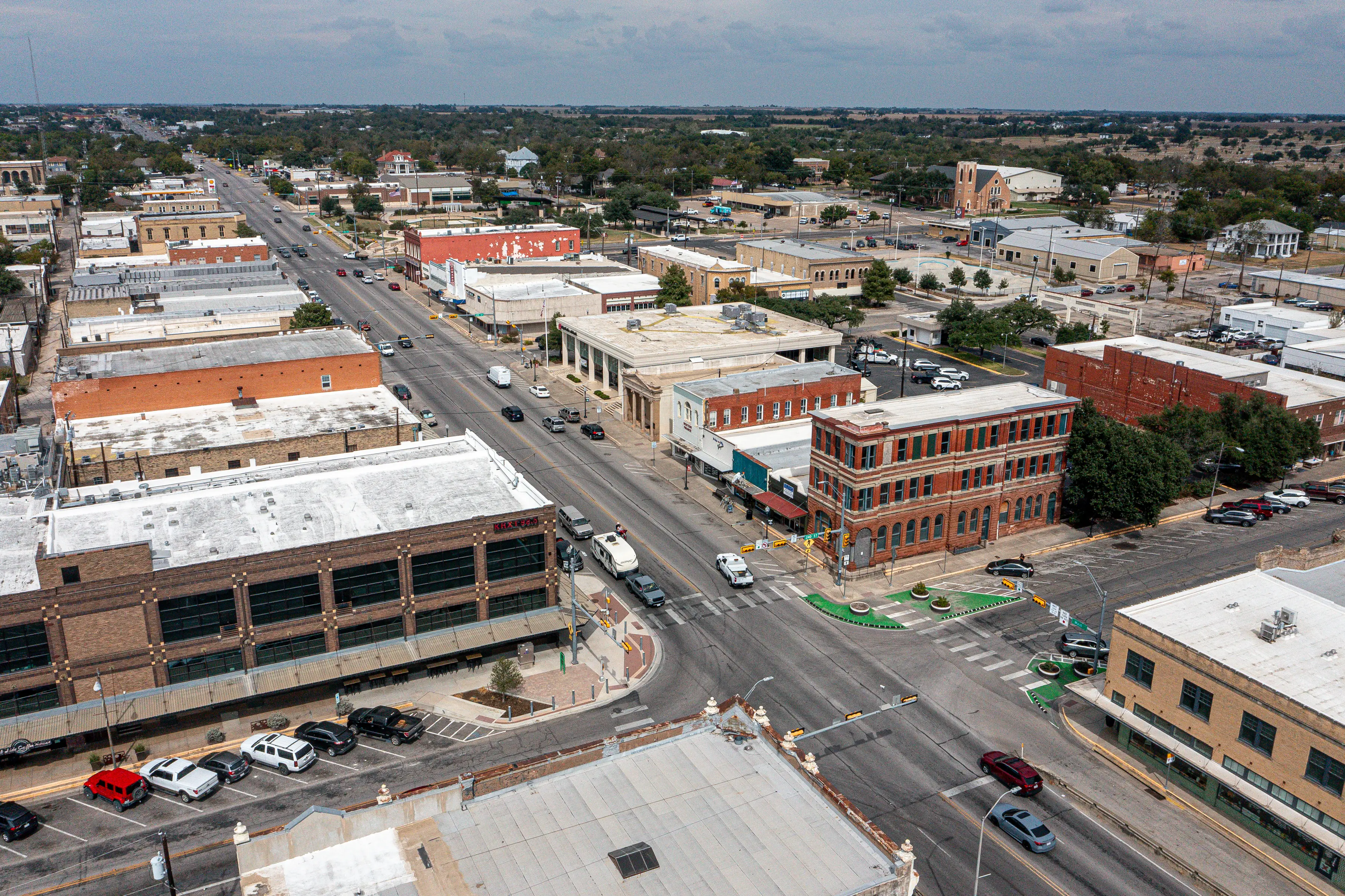
This piece of land, which consists of nearly 88 acres in the city of Taylor in Williamson County, Texas, is now at the center of the dispute.
There, residents say the land was gifted for public recreation but instead been sold to developers and earmarked for a major technology facility.
One of the local residents, Pamela Griffin, spoke with 404 Media where she explained how the controversy is deeply personal.
Advert
In the report, she shared how her family has lived in the area since her grandmother purchased land there, explaining: “Back then, Black and brown people weren’t allowed to buy in the city limits of Taylor. So we had to buy on the outskirts.”
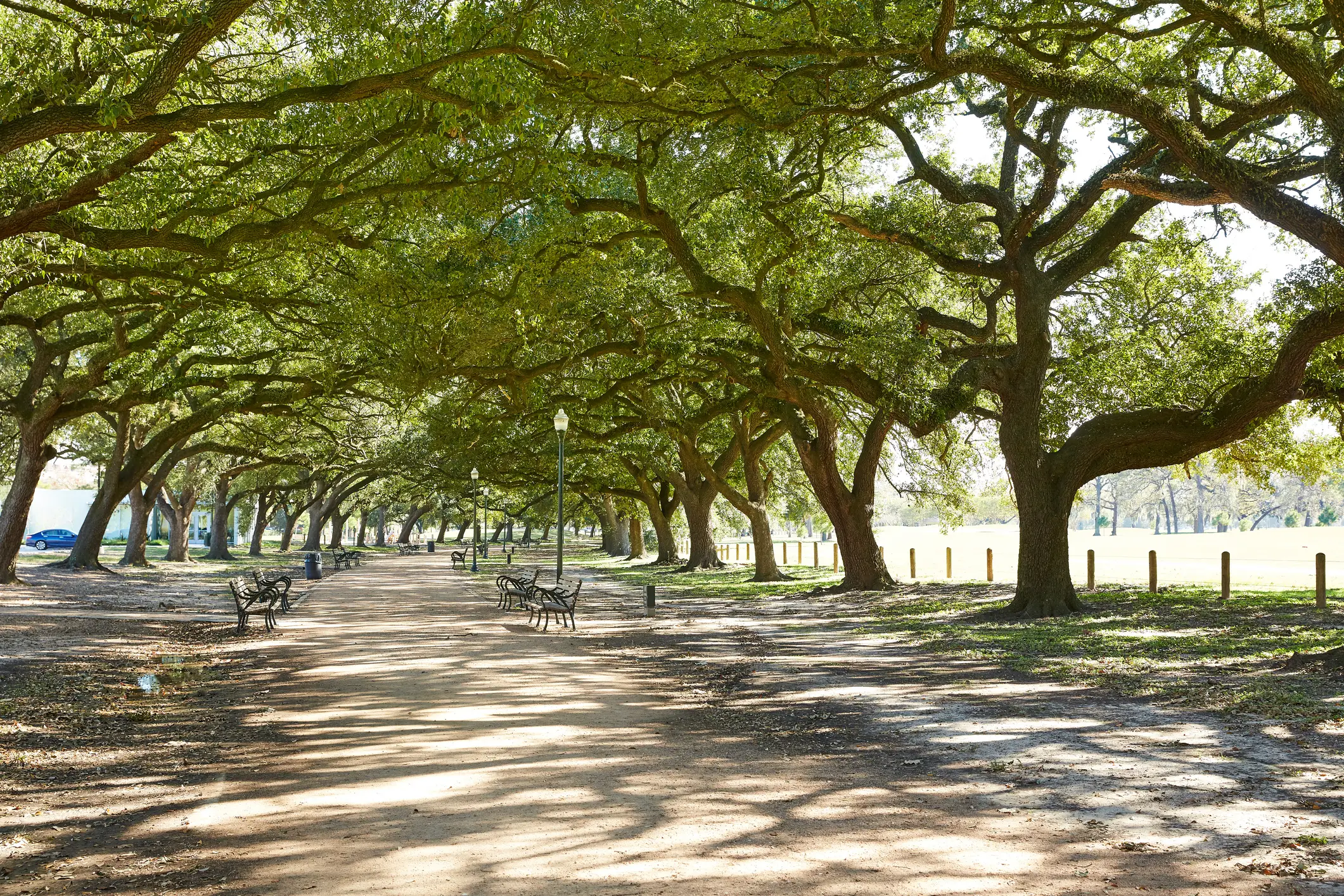
One neighbor, who was a farmer named Mr Bland, told her father that he was planning to sell his land to create a park for the children to play in.
In 1999, that plan became reality when the land was granted to a public trust for just $10 under the condition that it was to be used as a public park.
The land intended for a park will now be a data center
However, last year, the city of Taylor made the decision to sell it on to developers for a whopping $10 million, who intend to turn it into a data center site.
After learning about the project, Griffin and her relatives started researching data centers and their potential impact on nearby communities and, like many residents across the US, they expressed concerns about issues including noise, energy consumption, environmental effects and the long-term character of the area.
City officials have attempted to reassure locals that mitigation measures will be introduced. Information published by the city states that noise-producing equipment would be housed within the building and supplemented by barriers and landscaping intended to reduce sound levels. Officials have also said the facility would use systems designed to minimize water consumption and that developers would fund electrical infrastructure improvements associated with the project.
However, public outrage intensified when campaigners uncovered historical property documents that appeared to support residents’ claims about the land’s original purpose.
Despite concerns, the project is continuing to push forward with no sign of slowing down.
Unfortunately for the residents, the case was also dismissed in court and a further request to halt construction while appeals are considered has also been denied.