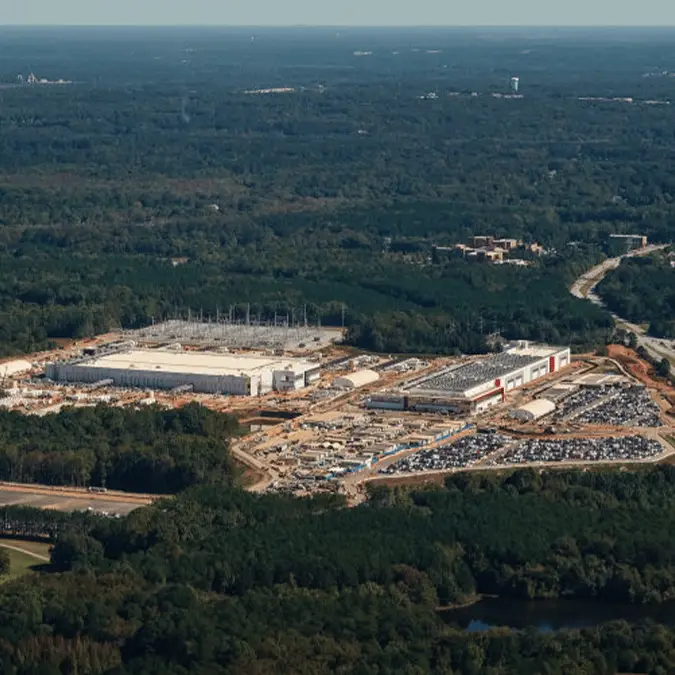
Georgia residents discover data center used 30 million gallons of water without proper billing


When residents of the Annelise Park subdivision in Fayetteville, Georgia, began noticing unusually low water pressure last year, they assumed it was a routine infrastructure issue.
But after responding to the complaints, Fayette County officials discovered 'two industrial-scale water hookups' serving a nearby Quality Technology Services data centre campus.
According to officials, one had been connected to the water utility without notice, while the other was excluded from the QTS company account.
Advert
The county's subsequent letter to QTS revealed the scale of the problem, reading that the company reportedly owed $147,474 for more than 29 million gallons of water.
Officials estimated the unbilled usage had been running for roughly four months, though QTS put the figure at somewhere between nine and fifteen months, Politico reported. Meanwhile, the company said that it paid the back charges once notified and pointed out the issue to the county's smart-meter rollout.
However, the story might have stayed contained to the local government had it not been for one resident. James Clifton, a lawyer living in the subdivision, obtained the county letter through an open-records request and posted it on social media.
"We get this notification from Fayette County water system saying you need to stop watering your lawns," Clifton told Politico.
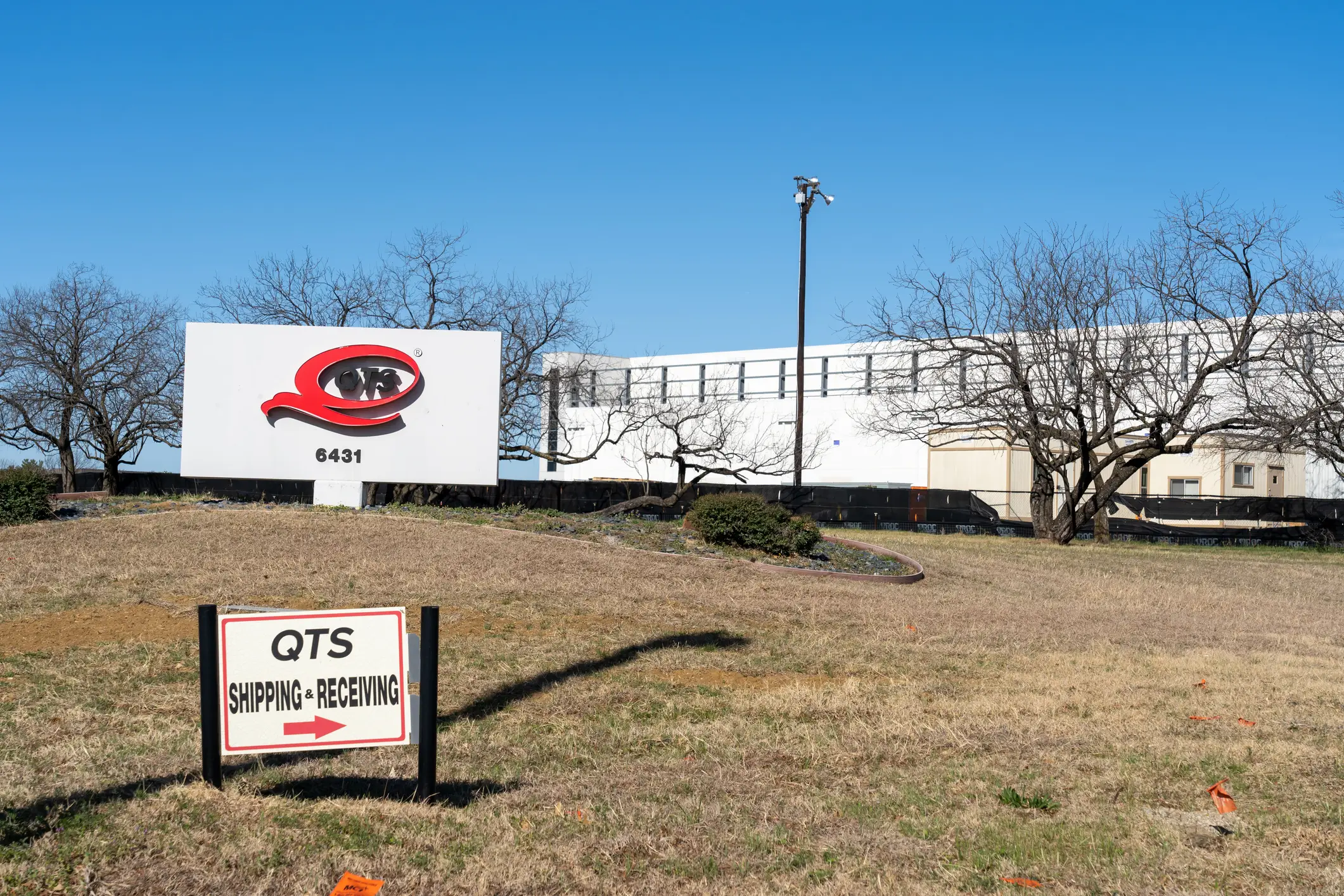
QTS argued that the increased water consumption was tied to temporary construction activity rather than its regular operations. The company added that its 'closed-loop' system is not designed to consume large quantities of water.
The problem is that Georgia is home to 213 data centres and is currently wrestling with drought conditions serious enough to cause Governor Brian Kemp to declare a state of emergency in April, as wildfires spread across the state.
Moreover, large data centres, which power everything from cloud computing to AI operations, can place enormous demands on both energy grids and water systems.
The QTS site itself spans 615 acres and could eventually expand to 16 buildings, placing it among the largest data centre projects in the US. As such, county officials have pointed to the potential for tens of millions of dollars in annual property tax revenue as a reason to welcome the development.
However, at the same time, residents are worried about the long-term impact on water supplies, electricity demand and local infrastructure. In April, the Fayetteville City Council voted to pause new data centre construction in the area while the situation is assessed.
The local communities are also pushing for stricter protections before future data centres are approved.