
Millions of users just lost access to Telegram overnight to stop massive exam cheating ring


With over 1 billion monthly active users and frequently being cited as one of the most downloaded non-gaming apps in the world, Telegram keeps many of us connected. Unfortunately, some corners of the world are set to be annexed for the foreseeable future, all thanks to an exam leak.
India has approximately 1.47 billion people living in the country, making it one of the most populous in the world. Unfortunately for them, Telegram has gone dark until June 22.
The Indian government has confirmed the temporary ban, claiming the messaging app has been used to try and cheat on the National Eligibility cum Entrance Test - Undergraduate (NEET-UG). May's exam was cancelled over a reported leak, and ahead of millions of candidates having to retake it on June 21, Telegram has been banned.
India's government didn't name specific channels but maintained that bad actors were using Telegram to sell access to the exam paper.
Advert

Telegram has also been asked to disable the app's message-editing feature until June 30, with allegations it had been used to 'fabricate' evidence of paper leaks.
According to the BBC, the National Testing Agency (NTA) has backed the ban and said it was done in the aftermath of the "organised use of the platform [Telegram] by cheating rackets to defraud candidates".
The NTA alleged that some channel owners were asking for hundreds of thousands of rupees from exam candidates and their families, claiming that they had access to the re-examination paper. The NTA reiterated that "there is no such paper available outside the secured examination chain."
Others aren't as supportive of the ban, as many have called it a "band-aid solution" for a much bigger issue. Going against the decision, the Internet Freedom Foundation said: "Shutting down Telegram is a band-aid solution and is a disproportionate answer to exam fraud."
The Internet Freedom Foundation (IFF) is an Indian digital rights advocacy organization, saying that it found a lack of transparency 'unconstitutional': "The block of Telegram is reactive and ineffective and will punish ordinary users instead of addressing the systemic source of exam leaks. This blocking comes in the final days of NEET preparation, when thousands of students depend on Telegram for study groups, doubt-clearing, and shared resources."
It went on to say that the ban would "punish ordinary users instead of addressing the systemic source of exam leaks".
Although the BBC contacted Telegram for comment, the company hasn't issued a response.
The outlet claims that Telegram was still live in the country hours after the government made the announcement, meaning it's unclear how the ban will be enforced.
It's important not to underestimate the severity of the situation, with some 2.3 million students taking the exam at 5,000 centers on May 3. It was then scrapped when the leak came to light.
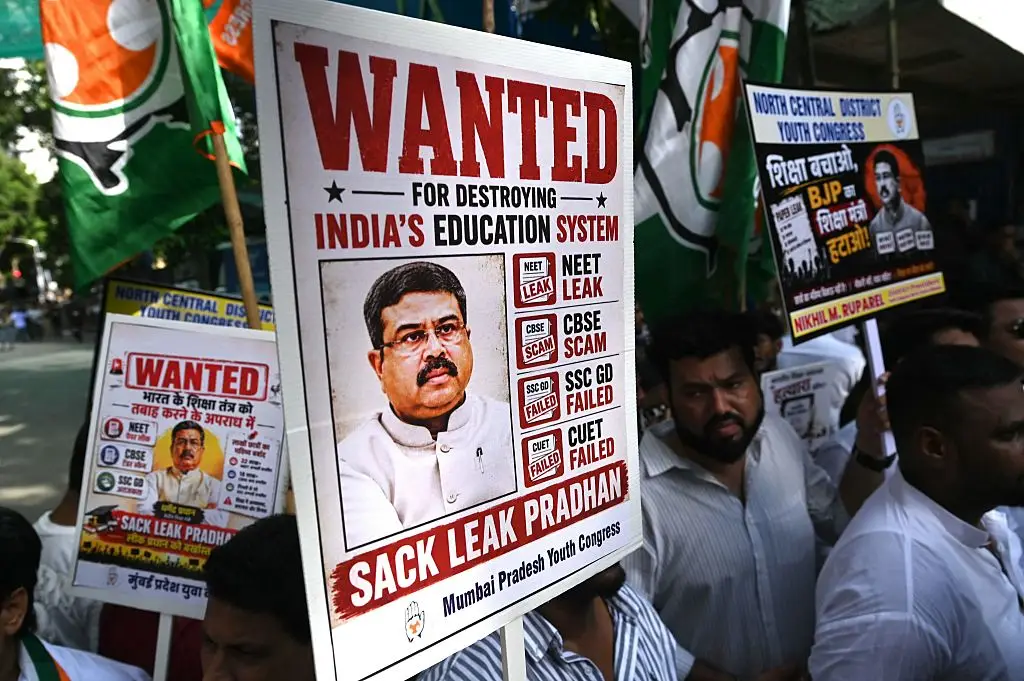
Inconvenient timing put the leak alongside marking issues in a crucial school-leaving exam, leading to protests erupting in various parts of India. As part of this, there were demonstrations calling for the resignation of Education Minister Dharmendra Pradhan, organized by the viral Cockroach Janta Party.
In terms of the leak, the Central Bureau of Investigation is looking into this, with over a dozen arrests already being made.
Elsewhere, the Indian Cyber Crime Coordination Centre (I4C) says that thanks to information from the NTA and other agencies, it has taken down "a substantial number of Telegram channels, groups and bots whose names and content openly advertised their fraudulent and misleading purpose."