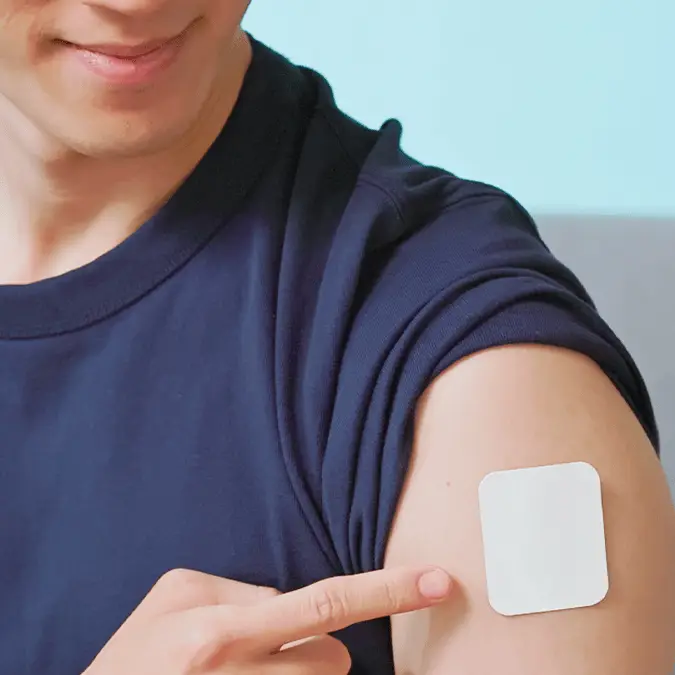
Simulation shows what really happens inside your body when you use a nicotine patch


There's that old saying that smokers are jokers, but between the 1930s and 1950s, smoking was billed as 'good' for your health, with the tobacco industry jumping on the back of ads saying cigarettes were 'physician-approved'.
We now know that's not the case, with plenty of research and simulations showing what smoking does to your internal organs, as well as similar concerns about what vaping does to your body.
Remembering that smoking a single cigarette is said to take an average of 20 minutes off your life, it's no real surprise that the Maldives has introduced a landmark generational ban on smoking.
With New Year's resolutions just around the corner, now might be the time to consider quitting smoking for the benefits of your health.
Advert
We're big fans of Zack D. Films over here, with his weird and wonderful simulations showing off a whole host of bizarre situations. If not covering how coffee could crack your teeth or how much microplastic we consume every week, Zack D. Films is trying to educate us on smoking and nicotine patches.
In the latest video, we see how traditional smoking transfers the nicotine into your lungs and is absorbed into your blood.
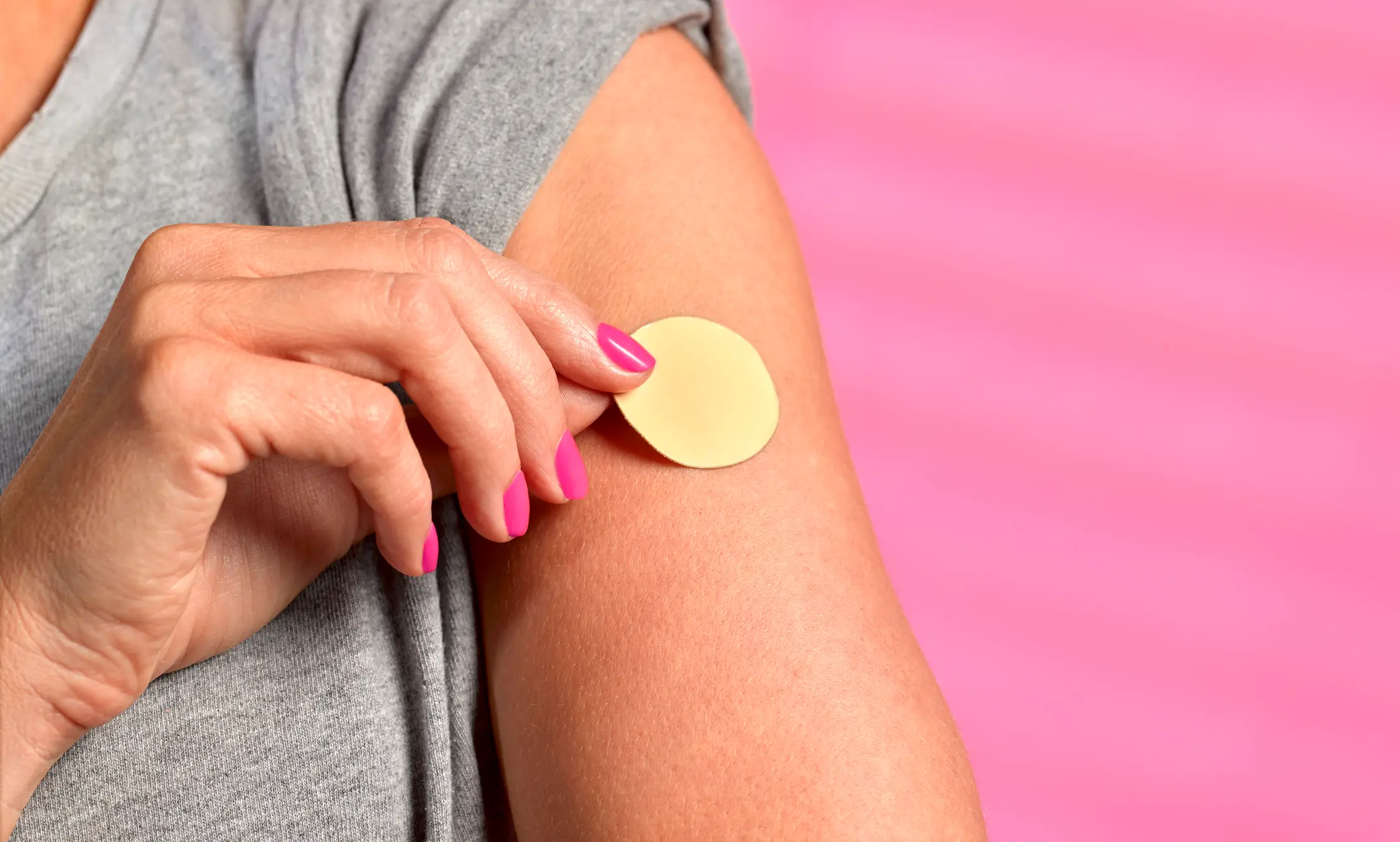
When you apply a nicotine patch, it's released into your skin and absorbed through your bloodstream, where it's sent to your brain. Even though that might sound scary, the simulation explains how it then binds to nicotinic receptors that reduce craving and withdrawal symptoms.
The patches typically run out after 24 hours, but it's as simple as peeling them off and adding a new one to repeat the process.
While it's not that simple to quit smoking, patches are confirmed to deliver controlled doses of nicotine and reduce cravings alongside withdrawal symptoms.
After about eight to 12 weeks, you should start reducing your use of nicotine patches and eventually wean yourself off them completely.
Other nicotine replacement therapies (NRTs) include the likes of gum or inhalers, but patches prove to be the most popular.
Responding to the simulation, one person said: "We be flexing our lungs with this one🔥."
Another added: "Nice detail applying the patch in a different spot, it's really important to do that with similar patches that contain opioids like Fentanyl."
A third said: "My dad definitely needs these, honestly I never knew about nicotine patches. I’m grateful to you for spreading information in an interesting way with downright silly animations."
Not everyone was sold, as someone else concluded: "For people who don’t know nicotine patches give extremely terrifying nightmares."
While it's true that 24-hour nicotine patches can give you vivid or realistic nightmares, just think what you're doing to your lungs by puffing that packet of cigarettes.