How getting a tattoo left man unable to sweat and without any hair


Much like dogs, tattoos are for life, not just for Christmas. The decision to go under the needle is not to be taken lightly, and while we know there are advanced laser tattoo removal techniques, we're told it can be a costly and even more painful process.
Tattoos have been discovered on mummies from as early as 3351 BC, although we imagine techniques have come a fair way since then. There's still a love for more traditional tattooing styles, with the likes of Japan's hand-poking Tebori method never going out of style.
These days, everything from Mike Tyson's infamous tribal tat to Post Malone having "Always Tired" under his eyes proves it's become almost as common as getting a piercing.
Still, one horror story about a Polish man who was left with some unexpected side effects might have you reconsidering your new ink.
Advert
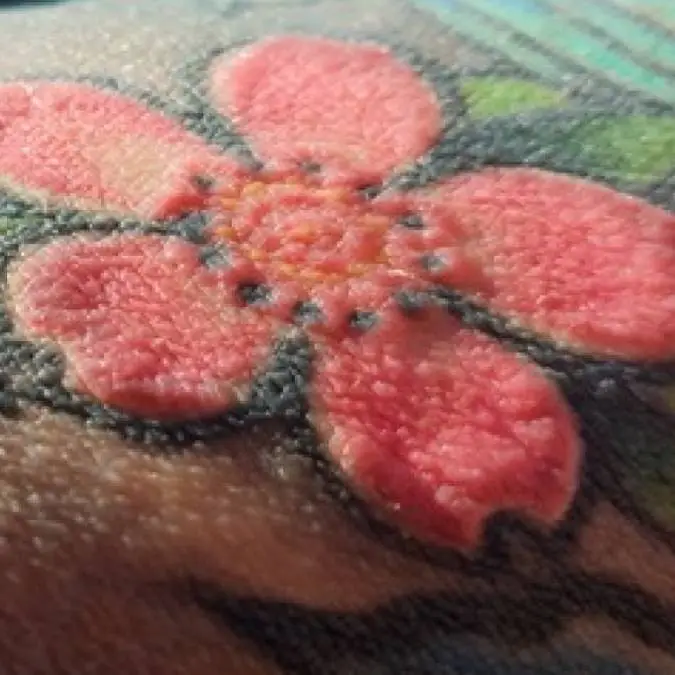
According to a study published in Clinics and Practice (via NewScientist), the unnamed man went for a tattoo of a red flower on his forearm in 2020. Even though it all seemed to go swimmingly, it's said that an extreme allergic reaction to the pigment in the red ink caused his hair to fall out and for him to lose his ability to sweat.
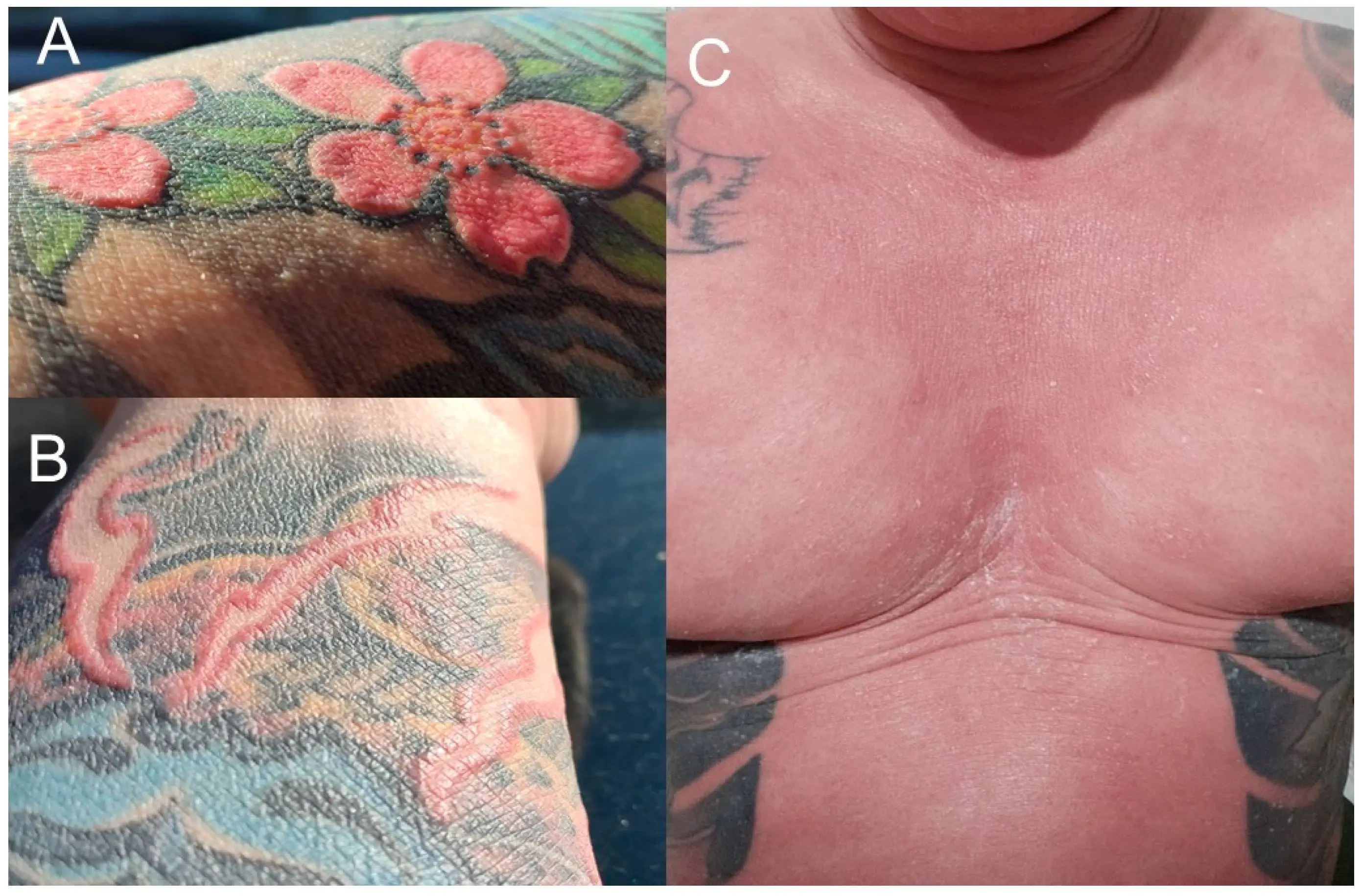
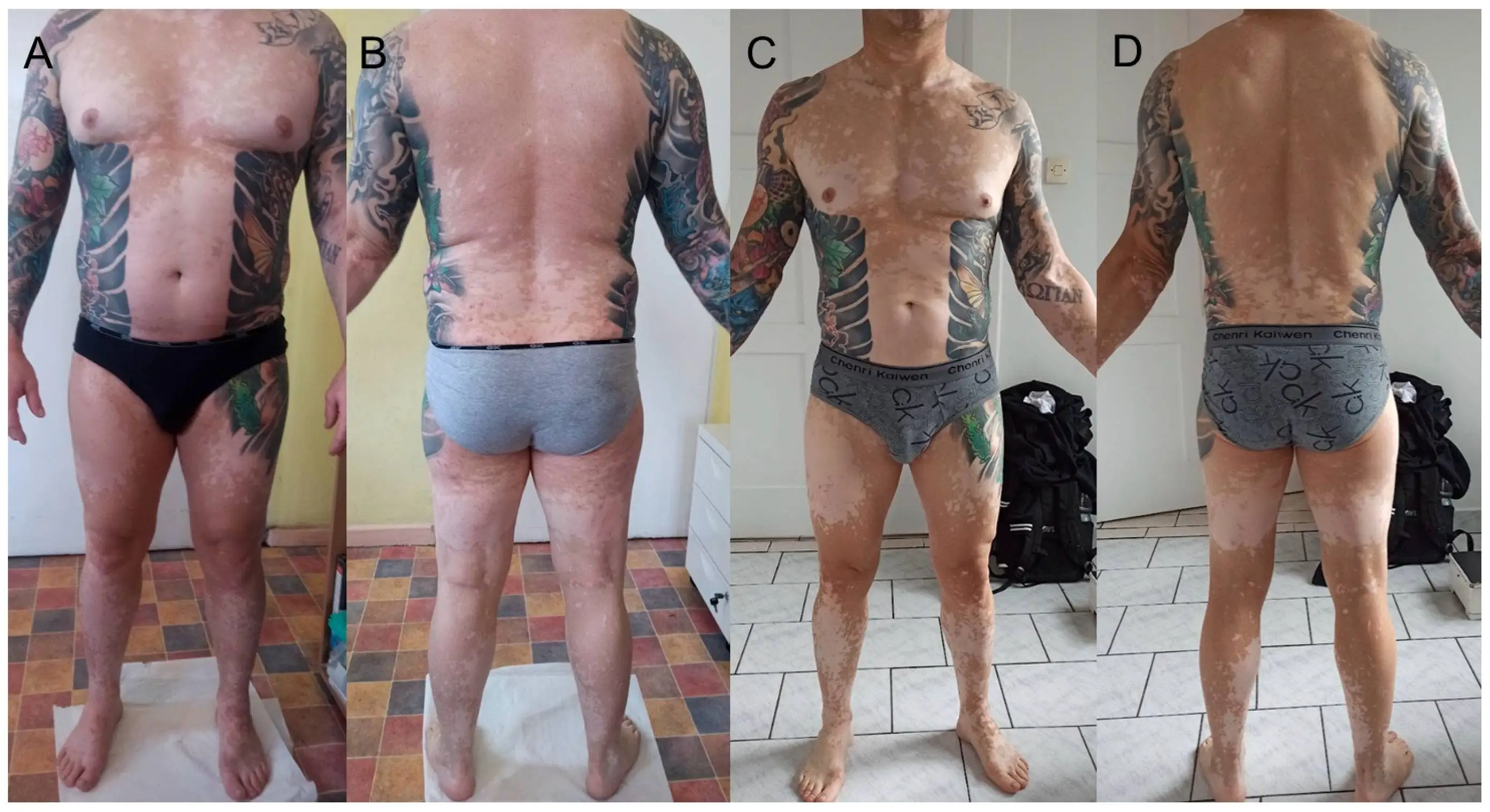
If that wasn't enough, he developed vitiligo, further amping up the concerns that some modern inks can hurt the human body.
The outlet explains how the traditional inks made from black soot are long gone, with the colorful and modern equivalents sometimes being manufactured for cars and printers instead of our delicate skin.
One survey claims that 6% of people who get a tattoo will experience an allergic reaction that lasts longer than four months, with red ink being a particular problem area. Those with underlying conditions of eczema, asthma, and coeliac disease seem to be especially at risk, but it's definitely something to think about.
Returning to the case of the Polish man, his reaction worringly started about four months after he first had his multicolored tattoo. Apparently starting as an itch around the affected area, it then spread to a rash all over his body.
After losing all his head and body hair, his nails turned yellow, he couldn't sweat, and his lymph nodes became swollen. It was only two years after symptoms started that he developed large patches of vitiligo.
Despite seeking the help of dermatologists, allergy specialists, endocrinologists, neurologists, ophthalmologists, and internal medicine specialists, none of them could figure out that the red ink was to blame.
It was only during the biopsy of a swollen lymph node from his groin that traces of the red ink were pinpointed.
Due to limited treatment options, he had to go under the knife eight times to slice the red ink sections out of his forearm and then replace them with skin grafts.
Although a decidedly harrowing ordeal, his hair has apparently grown back, and his vitiligo has stopped spreading.
Sadly, the man in his thirties still can't sweat due to damage to his sweat glands. With him at permanent risk of heat stroke, he's supposedly had to retire from his job in the military and has to regularly spray his body with water to keep cool.
Dermatologists at Poland's Wroclaw Medical University weren't able to get a sample of the red ink from the tattoo artist, although other incidents have identified synthetic organic dyes called azo dyes. These have been known to trigger health problems due to activating the immune system.
It's thought that the man's pre-existing autoimmune condition, called Hashimoto’s disease, might have been a trigger here.