
Seven insane things your body does in life-or-death situations without realising


The human body is an amazing machine, but that's just what it is...a machine. Much like how you don't tend to think about what happens inside a computer when you turn it on, you probably don't think about all the processes going on in the background of your body. Then again, it might be best not to think about it unless you want to trigger an existential crisis.
There's much debate about whether life after death exists and what happens to our souls when we die, but ultimately, our bodies failing is what sees us shuffling off this mortal coil.
Thankfully, that same body is primed to deal with stressful situations that could turn into life and death ones.
What are seven signs that your body is in a life-or-death situation?
While we're not trying to trigger any phobias here, there are any number of life-or-death situations you could find yourselves in. Whether it's being caught in a deadly plane crash or fighting off a great white shark, finding yourselves in a terrorist attack, or hanging off the side of the world's tallest building when your support cable snaps, your body is expertly equipped to deal with the hopefully unimaginable.
As reported by Metro, there are seven amazing/insane things your body will do when it really thinks the end is nigh.
Advert
Holding your breath

Not everyone is a deep-sea diver who thinks they can hold their breath for an eternity, but apparently, the kind of cold water you might experience in an extreme situation can trigger the 'mammalian diving reflex’. Slowing your heart rate and pushing oxygen-rich blood to the heart and brain, the mammalian diving reflex also limits oxygen consumption from non-essential muscle groups.
First described by British physician Edmund Goodwin in 1786, it's apparently triggered by the immersion of your face in water, particularly relating to the trigeminal nerve.
Bending time
The concept of time slowing down is a real one that you might experience in a life-or-death moment. Researchers at the University of Iowa College of Medicine claim that out of 101 people who experienced a life-threatening encounter, 70% reported a sensation of time slowing down.
It's unclear why this happens, although one popular theory suggests that the brain speeds up its processing power in high-pressure situations, making it feel like time is slowing down. Elsewhere, the PLOS One research journal thinks it's down to an individual's recollection of an event and the brain taking in more information when trying to keep you alive.
Nightmare training
All those spooky scenarios that haunt your dreams at night are supposed to be just another reflex. Whether you think it's hokum or something more, there's plenty of research to suggest nightmares are caused by stresses and anxieties spilling over from your waking life. A 2019 experiment from researchers in Switzerland and the US maintains that nightmares help your brain deal with frightening experiences in real life. Researcher Lampros Perogamvros explained: "Dreams may be considered as a real training for our future reactions and may potentially prepare us to face real life dangers."
Dilating pupils
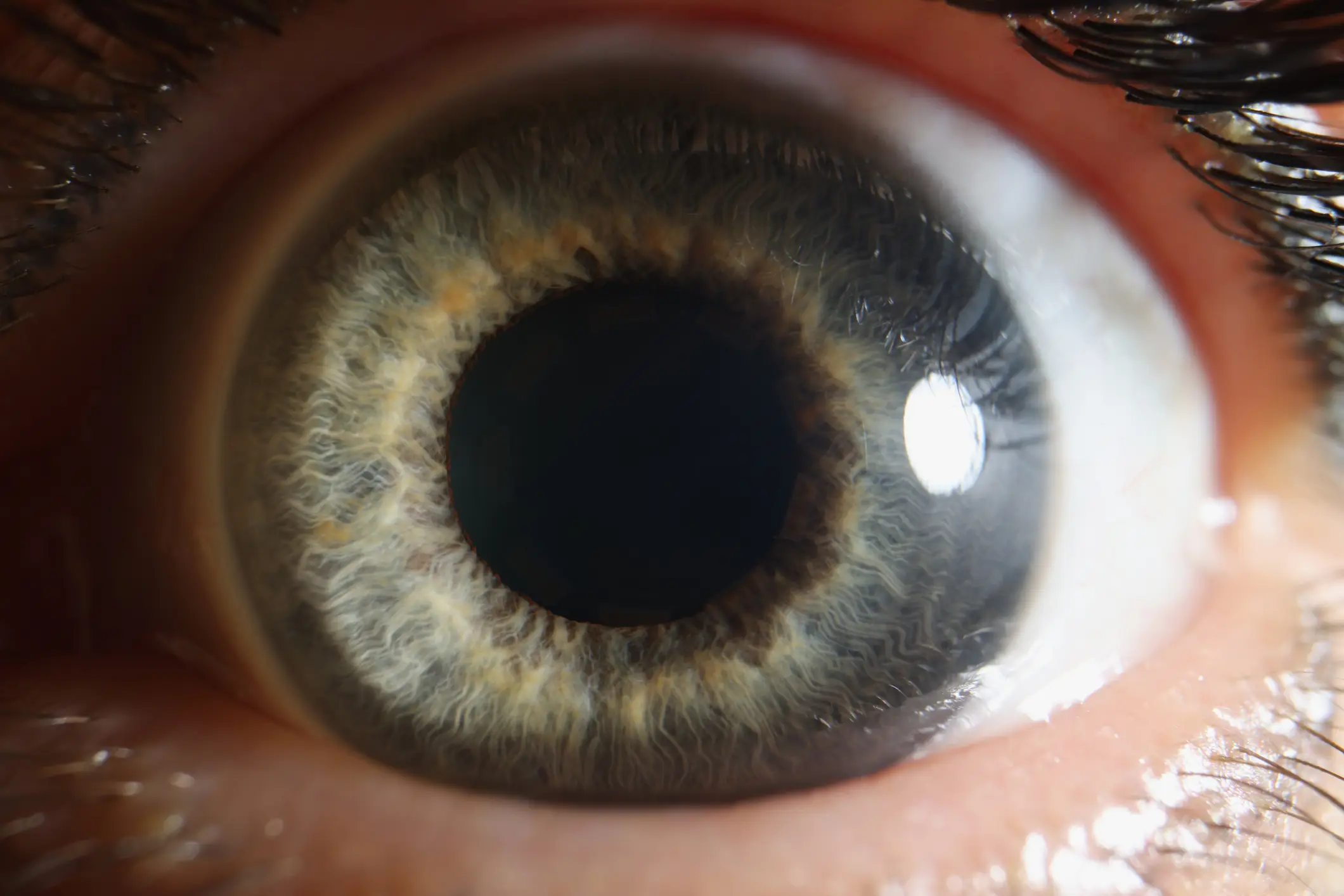
With your eyes being the window to the soul, they're one of the best indicators that your body thinks it's in trouble. Like how pupils dilate in the dark to increase the access of light and help us see better, the same thing happens when you can sense a threat.
A 2016 study shared in the Journal of Trauma Stress said that those who are deemed as suffering from PTSD showed more pupil dilation when shown a threatening stimuli. Elsewhere, the International Journal of Psychophysiology noted that pupils tend to be more dilated when we're completing more complicated tasks – linking pupil dilation to mental strain.
Shaking
The shakes are more than just a sign you're nervous, but apparently, they're not a sign of weakness representing fear. The Fixel Institute for Neurological Diseases refers to it as an ‘internal alarm system’ that represents the body's response to a threat. The release of adrenaline, an increasing heart rate, tightening muscles, and blood being transferred from your skin to larger muscle groups causes a flood of energy that can make you shake because your body is ready to move quickly.
Blocking pain
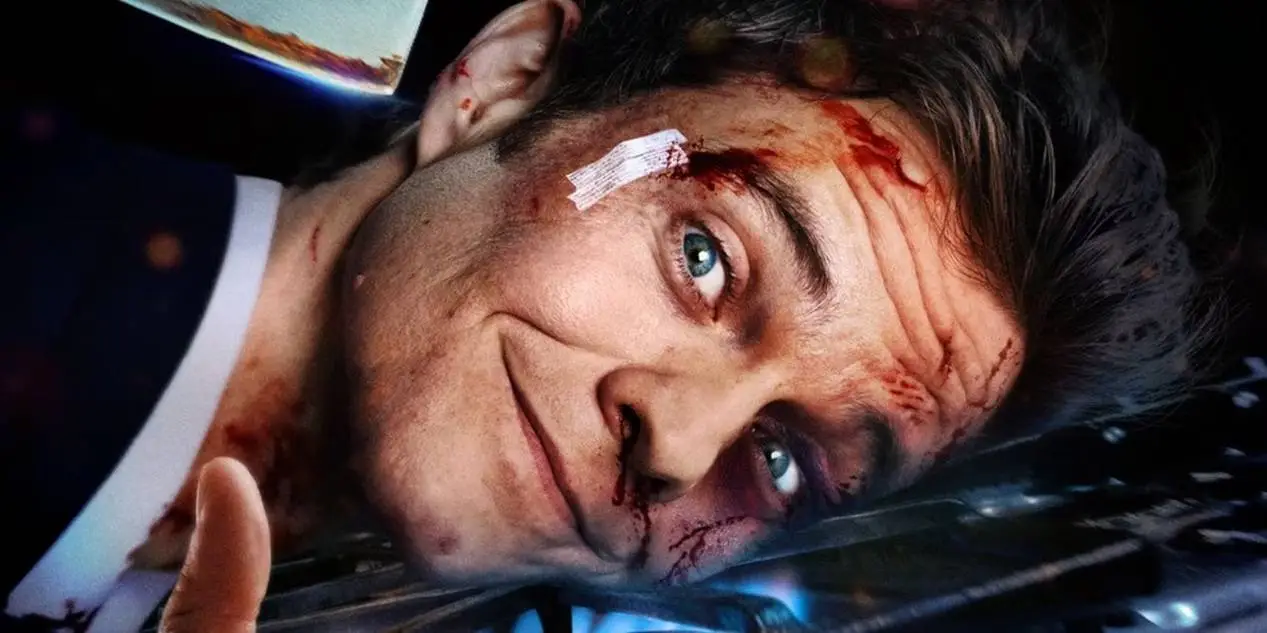
Pain is your body's way of telling you not to do something, and if you've ever watched the Jack Quaid-led Novocaine, you'll know Congenital Insensitivity to Pain (CIP) isn't a good thing. Still, a life-or-death situation can cause you to temporarily block out pain thanks to a fight or flight response. The School of Psychology and Neuroscience's Dan Baumgardt told The Conversation that the brain can miraculously turn off pain thanks to the periaqueductal grey (PAG) in the middle of the brain, and it containing neurons that can alter incoming pain signals. Baumgardt wrote: "Ever picked something in the kitchen that you suddenly realise is extremely hot? Sometimes that casserole dish or saucepan descends to the floor, but sometimes we are able to hold on just long enough to transfer it to the stove-top.
"This action may be underpinned by the PAG shutting off the sensation of clasping something too hot to handle, just long enough to prevent dropping it."
The smell of fear
You might've heard about animals being able to 'smell' fear, and although we can't consciously do it, mankind can supposedly detect it in someone's sweat. A 2008 study from Nature Proceedings claimed that novice skydivers could be identified simply by absorbent pads worn during their first tandem skydive. Due to the amygdala part of the brain being more active, it was deemed that humans can subconsciously detect fear just from the smell of someone's sweat.