How sneaky fraudsters are using AI to get refunds on takeout orders


Sneaky fraudsters are using AI to get refunds on takeout orders.
Some people are using AI for personal benefit, whether as a therapist, a productivity tool, or a predictor of questions like when the 4-day work week will arrive. It can even explore sobering realities, such as how WW3 could trigger or how humanity could become extinct.
But others have explored more malicious uses of the technology, which is reflected in the rise in AI scams that impersonate loved ones to demand money.
In fact, one woman lost her entire life savings after a scammer used AI to pose as a Hollywood star.
Advert
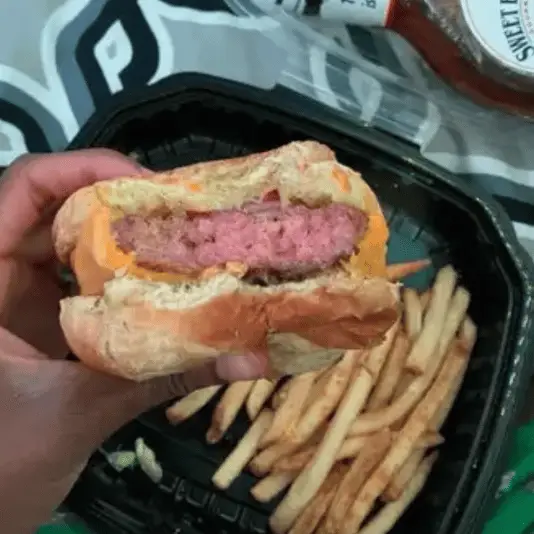
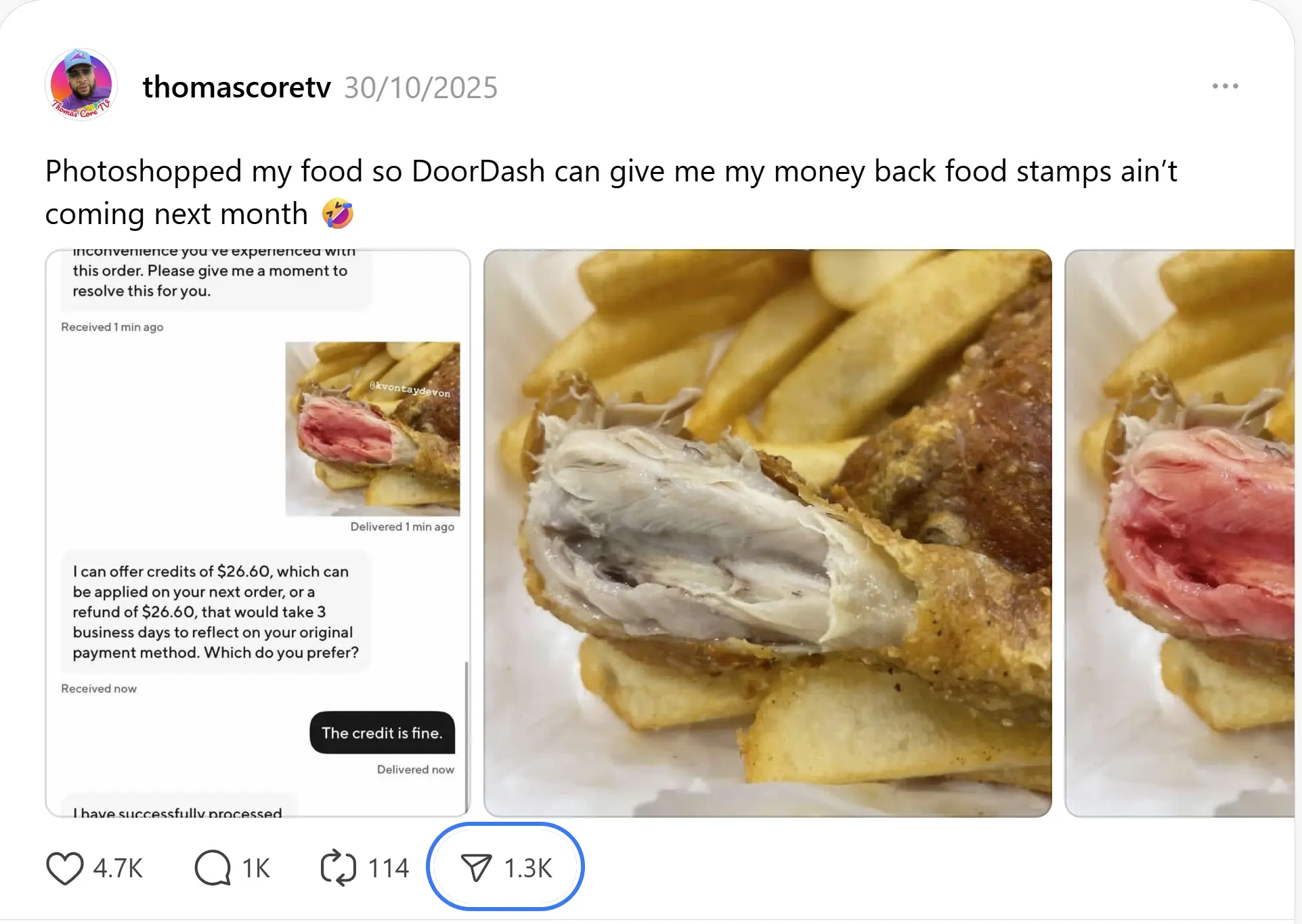
Now, food courier services are reporting a surge in scammers using generative AI to make their orders appear undercooked or infested with bugs so they can score free meals.
According to the lawyers, people are 'getting more sophisticated in the tools that they're using' to fake claims against companies such as Uber Eats, JustEat, Deliveroo and DoorDash.
Caroline Green, co-head of retail and supply chain at law firm Browne Jacobson, warned that those making fake claims are committing crimes.
"If you get away with it once, you're probably unlikely to leave it at that," she explained.
The manipulated photos include everything from melted cakes to digitally-created flies on pastries, the Times of London reported.
Browne Jacobson argued that it's likely more than 1 in 10 returns are fraudulent, even without AI assistance, stating: "Generous return and refund policies, intended to boost customer loyalty, have inadvertently made it easier for fraudsters to exploit retailers."
The firm added: "Automated refund systems often issue refunds before goods are inspected, leaving businesses exposed. Platforms generally trust buyer-submitted images, with sellers given few opportunities to contest suspicious claims."
Although retailers can use AI tools to identify fabricated images, they can be costly. Some companies are reportedly considering that customers provide live video when submitting compensation claims.
Browne Jacobson warned that 'the convergence of AI-enabled fraud and customer-friendly policies has created a perfect storm for the retail sector'.
It continued: "Proactive, risk-based strategies are essential to protect against evolving threats, maintain regulatory compliance and preserve customer trust.
"The cost of inaction is high – retailers must act fast to safeguard their businesses."
From a legal perspective, Graham Wynn, assistant director of business and regulation at the British Retail Consortium, explained that 'using AI to alter images with the intention of fraudulently obtaining refunds is illegal under the Fraud Act 2006.' As such, 'retailers will take necessary measures where such fraud is uncovered.'
In response to the rise in fabricated claims, JustEat said it is taking action.
"To protect our partners from fraudulent claims, we use robust tools to determine if refund requests are genuine. We are continually updating the checks we have in place," a spokesperson for JustEat announced.