Prison time Trump officials could face as BBC investigation accuses administration of insider trading


A bombshell investigation from the BBC has looked into potential insider trading from within the Trump administration, and if confirmed, those involved could be facing far more than just a slap on the wrist.
It's been noted that ever since President Donald Trump returned to the Oval Office in January 2025, there's been an apparent trend of huge stock shuffles being made just before major announcements from the Commander-in-Chief. With this, there are accusations that Trump officials have been involved in insider trading. Consequences could involve fines in their millions as well as being locked up behind bars for decades.
During its own investigation, the BBC said it noticed a 'consistent pattern' of spikes in trades just hours or minutes before the administration made announcements via social media or an interview.
While some experts say these moves bear "the hallmarks of illegal insider trading," others say it's more complicated as traders are getting better at predicting Donald Trump's sometimes wild political chess moves.
Why is the Trump administration being accused of insider trading?
Advert
The outlet lists the five biggest examples that could be used to suggest insider trading. Firstly, there was Trump's infamous March 9 interview, where he told CBS that the war in Iran was "very complete, pretty much." Traders are said to have made millions as oil prices plunged by around 25%, although a surge of bets came a full 47 minutes before the CBS post.
Trump made a March 26 Truth Social post that surprised many as he discussed a "COMPLETE AND TOTAL RESOLUTION" to the conflict. 14 minutes before this, there was another spike in bets on the price of US oil, with one oil analyst telling the BBC that these trades were "abnormal, for sure."
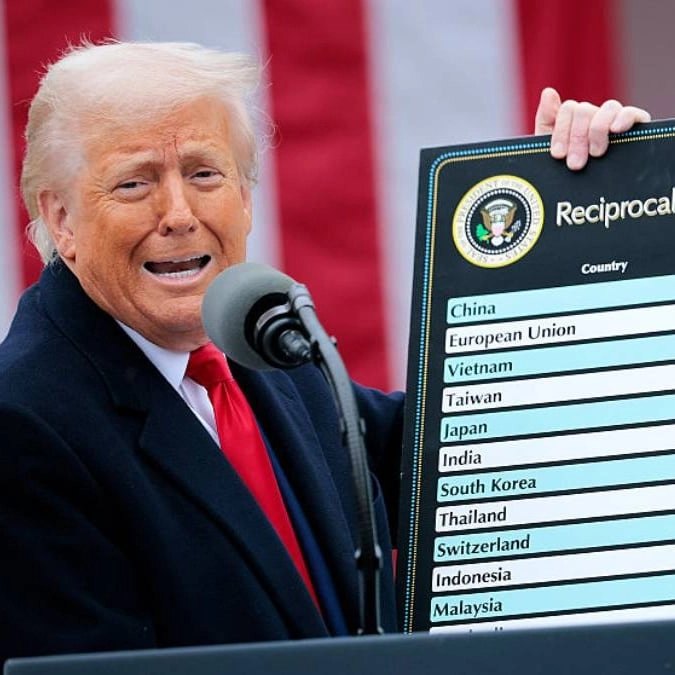
It's not just the war in the Middle East that has raised eyebrows. The POTUS' Liberation Day tariffs sent the stock market into freefall, although it quickly rebounded when he announced a 90-day pause just a week later. The S&P 500 index enjoyed its largest single-day gains since the Second World War, all as some bet over $2 million on an increase despite seven days of losses. This would've generated a profit of nearly $20 million.
President Trump is an investor in Polymarket, with further suspicion after an account called Burdensome-Mix started making bets on President Nicolás Maduro being ousted. Rounding out the pack, six Polymarket accounts are said to have made a cool $1.2m by placing bets on the U.S.' missile strikes against Iran on February 28.
What are the punishments for insider trading?
On April 20, the Senate Banking Committee wrote to the SEC and called for an investigation into whether military information had been used for personal gain.
Speaking to Bloomberg, one source claimed that the Commodity Futures Trading Commission (CFTC) had launched its own investigation into March 27 and April 7 oil trades, although it should be noted that there's been no official announcement.
If anyone in the Trump administration is found guilty of insider trading, there could be some serious consequences in terms of monetary fines and even time behind bars. 2012's STOCK Act made it clear that the cabinet members, the vice president, and even the president aren't exempt from insider trading rules.
With potential penalties under the Securities Exchange Act and the Sarbanes-Oxley Act, the Department of Justice could bring criminal charges that include individuals being fined up to $5 million and entities (if private businesses are involved) of up to $25 million. More than this, convictions for securities fraud carry sentences of up to 25 years in federal prison for every violation.
All of the above could be expanded with additional charges of wire fraud, perjury, and even theft of government property if said insider information is seen as a government asset.
The SEC can demand 'disgorgement' of any insider trading gains, as well as civil penalties that can be three times the profit gained or loss avoided from trades.
It's also in the SEC's power to permanently ban someone from being an officer or director of any publicly traded company.
Even if a criminal case isn't brought forward, trading on classified information would likely lead to an immediate loss of security clearance, which would effectively end their ability to serve. Finally, high-ranking officials could face impeachment by the House and be put on trial by the Senate for "high crimes and misdemeanors."
If the SEC or DOJ finds that leaked information was used to influence trades, anyone involved could face the most severe penalties.