
Where in the US you’d be least at risk if WW3 broke out after growing following Iran strikes


Many across the world are concerned that recent attacks on Iran by the United States and Israeli militaries might lead to global warfare, putting millions of lives at risk is weapons were to strike on American soil.
It has been a very long time since the United States was directly attacked on 'home soil' by an opposing military, yet recent military operations orchestrated by the Trump administration have left people in fear of this happening again.
In the early hours of Saturday, February 28, the United States military cooperated with Israel to carry out Operation Epic Fury, which saw a number of air strikes hit Iran despite having no congressional approval.
Iran has since retaliated against several of its neighboring countries, hitting US air bases in the United Arab Emirates, Bahrain, Qatar, Kuwait, and Jordan, alongside an air base operated by the UK army in Cyprus following Prime Minister Keir Starmer's decision to assist US operations.
Advert
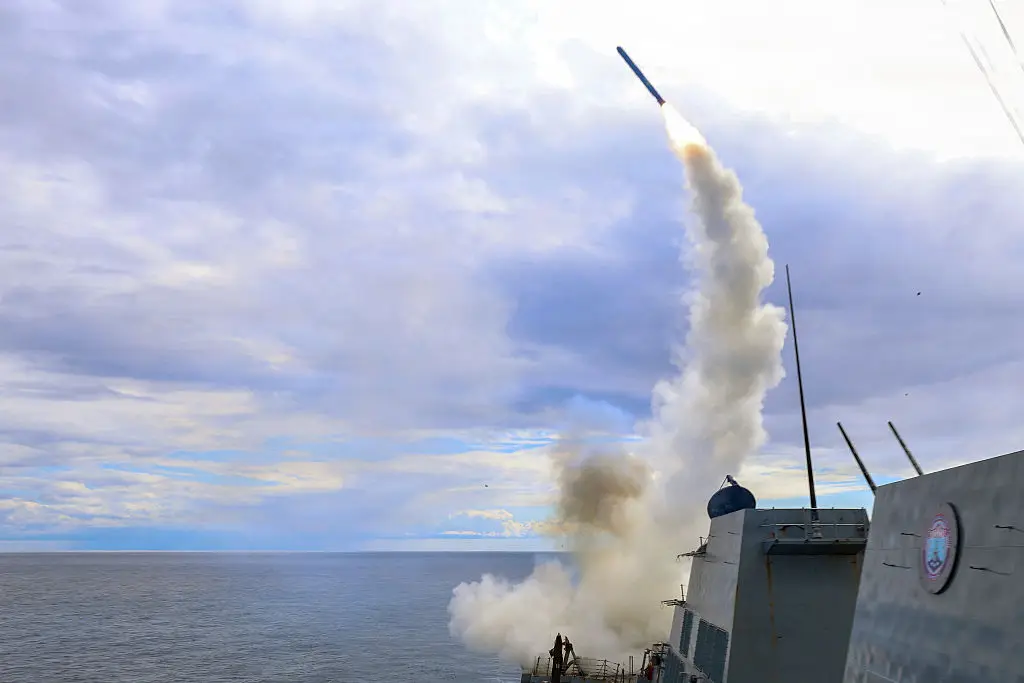
Seemingly the attacks were motivated by a desire to prevent Iran from developing nuclear weapons, and Supreme Leader Ayatollah Ali Khamenei was killed in the process, yet many have theorized what would happen if Iran was to directly attack the United States, especially with a weapon as powerful as a nuclear bomb.
As reported by Newsweek, a map denoting the 'safest' states in terms of nuclear radiation exposure has been conjured up, although experts estimate that nowhere is 'truly safe' in the event of a nuclear attack.
It is presumed that the primary target of an attack would be the biggest missile silos across the nation, which are located in Colorado, Wyoming, Nebraska, Montana, and North Dakota.
With these being roughly in the center and towards the north west, unfortunately large parts of the country would be exposed to dangerous radiation levels that would at the very least exceed the healthy limit and pose a significant risk of death.
It's expected that anyone within the aforementioned states would likely die within days of exposure to the radiation – if they weren't already killed by the blast – and neighbouring states would suffer between a 50 to 100 percent risk of death, especially for at-risk populations.
Many of the safest states are understandably on the east coast, with Newsweek highlighting the following areas as the places to be in an average-case scenario:
Where is the safest state in the USA?
- Maine
- New Hampshire
- Vermont
- Massachusetts
- Rhode Island
- Connecticut
- New York
- New Jersey
- Pennsylvania
- Delaware
- Maryland
- District of Columbia
- Virginia
- West Virginia
- North Carolina
- South Carolina
- Georgia
- Florida
- Alabama
- Mississippi
- Tennessee
- Kentucky
- Ohio
- Indiana
- Michigan
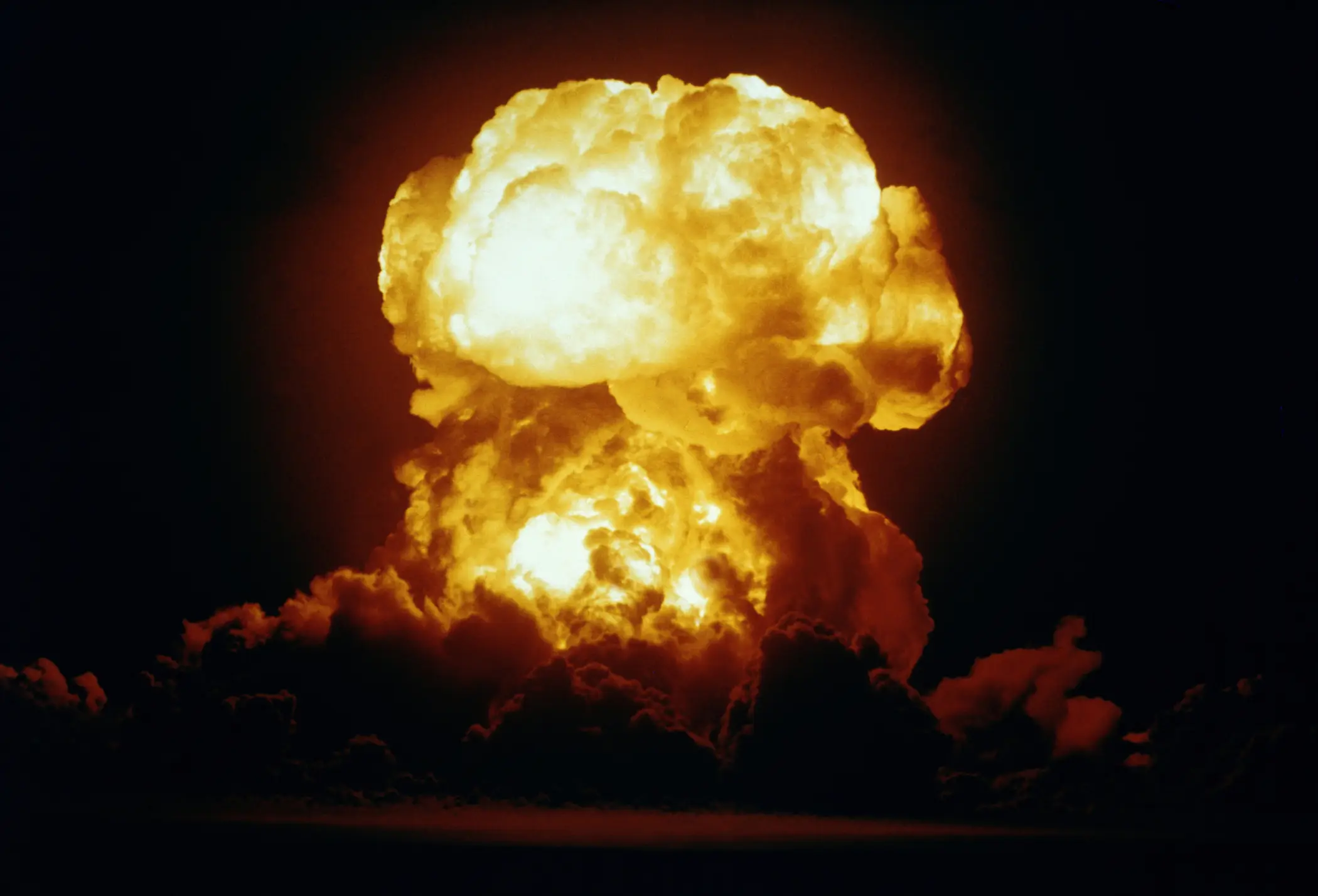
Alongside these, areas that would be less affected despite still holding risk include Washington, Oregon, Idaho, Nevada, California, Utah, Arizona, New Mexico, Texas, Arkansas and Illinois.
It very much depends on the conditions during the day of the attack and the following weeks/months, as that can affect how the radiation spreads across the country, making certain areas safer whereas others could be more dangerous.
Radiation levels are measured in 'grays' (Gy), and the safest areas are typically exposed to between 0.001 Gy and 0.5 Gy of radiation, with more than 8 Gy considered to be lethal by scientists.
Those within the most dangerous areas could be exposed to as much as 84 Gy following the strikes, but exposed populations can perish from acute radiation syndrome in as little as 1 Gy of exposure.