FAA launches investigation after everyday item millions carry on catches fire on American Airlines flight


A life threatening incident aboard an American Airlines flight has triggered an investigation by the Federal Aviation Administration (FAA).
This comes after a laptop aboard the aircraft caught fire during the flight, resulting in emergency personnel attending to the plane after it safely landed.
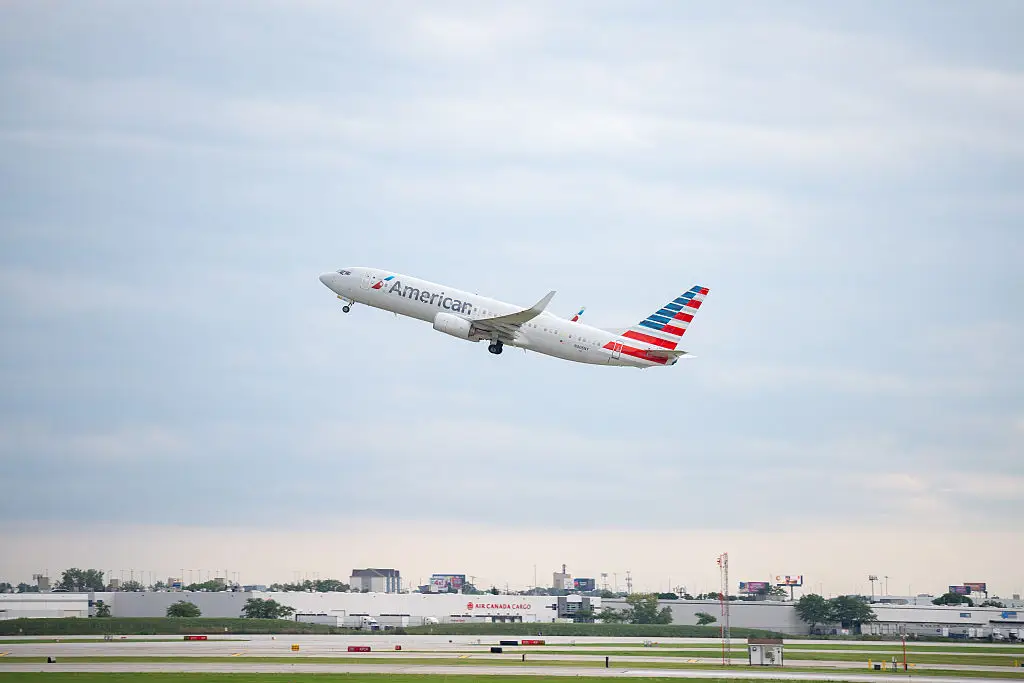
American Airlines Flight 2398 took off from Atlanta and was approaching its destination of Dallas Fort Worth International Airport (DFW) on Friday (August 21) when the alarm was raised over a fire which had broken out in a thermal containment bag.
In audio audio obtained by CBS News, a pilot could be heard telling air traffic control: “Cabin fire in the back of the airplane. The flight attendants are trying to put it out now.”
Advert
The pilot went on to say: “I think we have about four to five passengers that were burned by the laptop. The laptop is contained about mid-aircraft.”
In a statement to CBS News, American Airlines said: “American Airlines flight 2398 landed safely at DFW after reports of smoke from a customer’s device during landing. We thank our crew for their professionalism and swift response to quickly contain the device.”
Now, an investigation has been launched by the FAA, with lithium batteries being flagged as a safety concern.
According to the FAA website, all lithium ion batteries are ‘capable of overheating and undergoing a process called thermal runaway’.
The agency continues: “Thermal runaway can occur without warning as a result of various factors, including if the battery is damaged, overheated, exposed to water, overcharged, or improperly packed. Thermal runaway can also occur on its own due to manufacturing defects.”
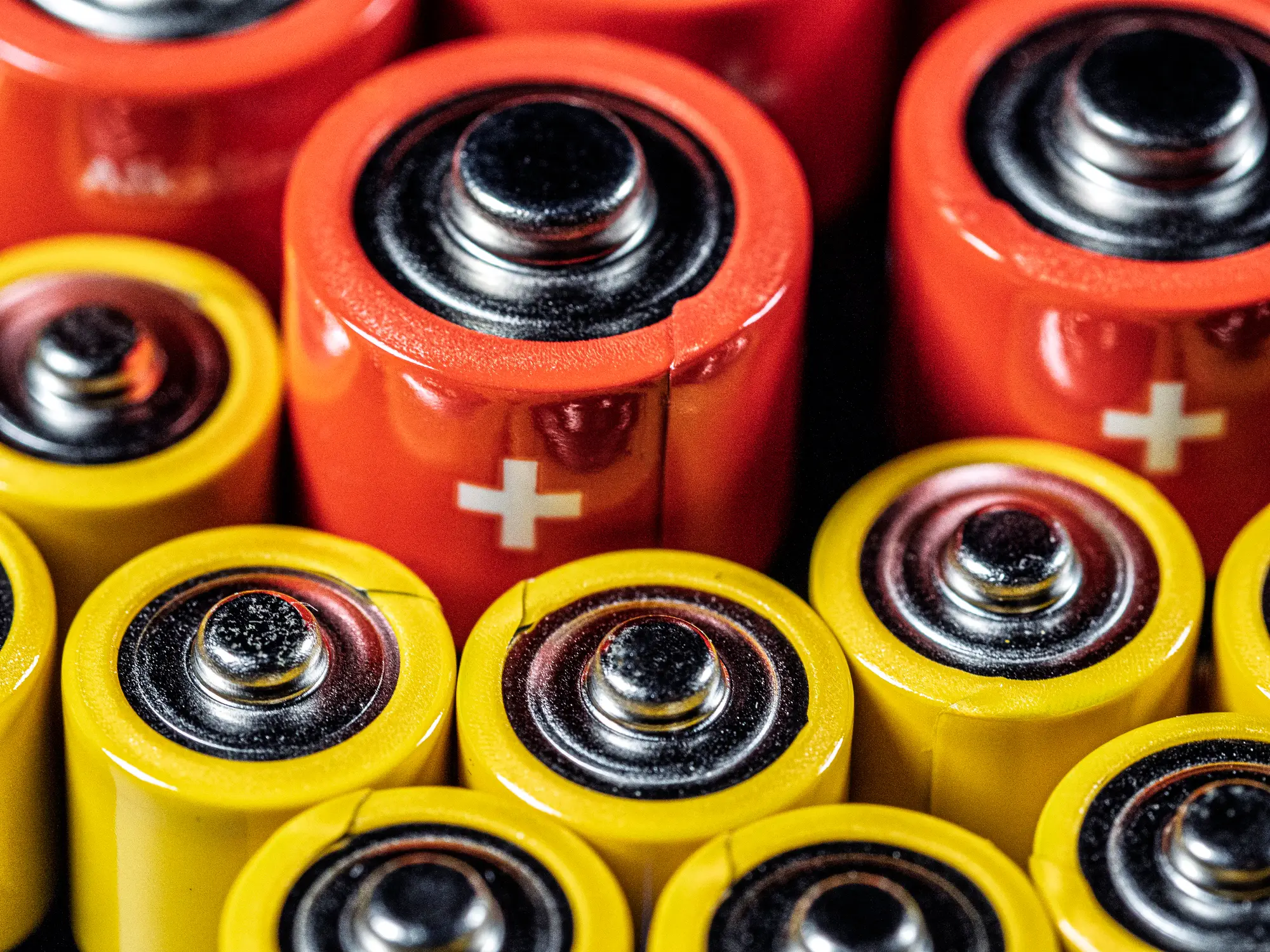
Due to this issue, any spare lithium ion and lithium metal batteries, as well as power banks and cell phone battery charging cases, strictly need to be carried in carry-on baggage only.
The FAA goes on to say: “When a carry-on bag is checked at the gate or at planeside, all spare lithium batteries and power banks must be removed from the bag and kept with the passenger in the aircraft cabin. The battery terminals must be protected from short circuit.”
Battery restrictions for aircrafts
There are size limitations for lithium metal (non-rechargeable) batteries which are limited to two grams of lithium content per battery.
Meanwhile, Lithium ion (rechargeable) batteries are limited to a rating of 100 watt hours (Wh) per battery.
According to the FAA, these limits ‘allow for nearly all types of lithium batteries used by the average person in their electronic devices’.
With airline approval, passengers may also carry up to two spare larger lithium ion batteries (exceeding 101–160 Wh) or Lithium metal batteries (exceeding 2-8 grams).