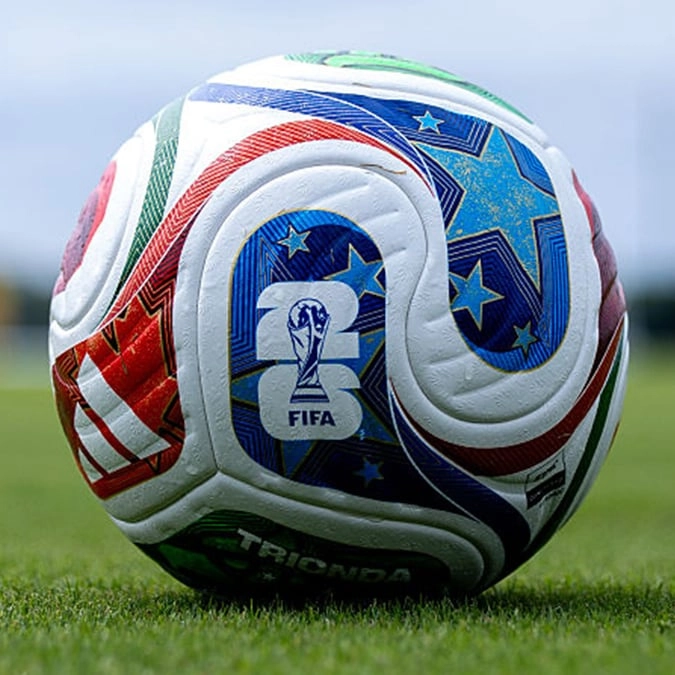
Why the 2026 World Cup ball is completely useless without a stadium-wide network of cameras


The 2026 World Cup is just around the corner, with the tournament due to kick off this month in Mexico, Canada and the US.
And there are a lot of new features being added to this year’s event, especially when it comes to the technology used for the ball.
However, people have been left shocked to discover that the soccer ball is actually completely without a stadium-wide network of cameras.
This is because the ball has a smart sensor that uses artificial intelligence to collect data on the game as it’s happening.
Advert
This will reportedly have the ability to send across data 500 times a second to FIFA’s officiating systems.
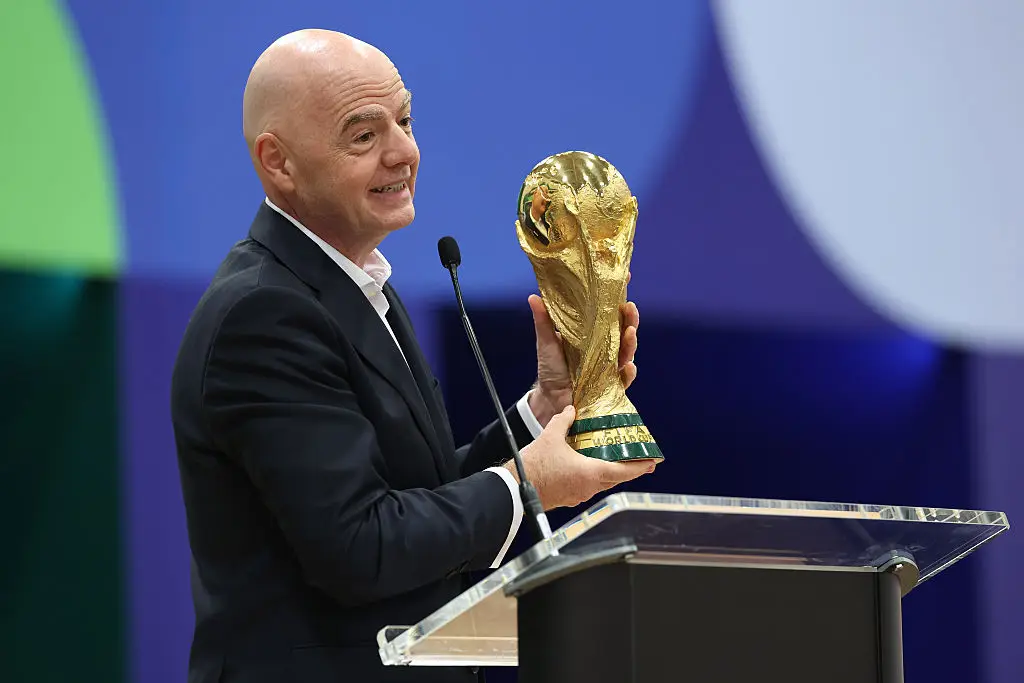
So, how does it work? The sensor tracks the ball’s movement around the pitch using other sensors located around the stadium, giving the referees more insight when making their decisions.
The ball’s sensor system will need charging ahead of the upcoming matches and, according to FIFA, it will have six hours of battery life.
This means that the ball will need to be recharged in between games throughout the tournament.
When will the World Cup 2026 take place?
The World Cup is expected to officially kick off next Thursday (June 11) with two games. Mexico will go up against South Africa in Mexico City Stadium while South Korea will go head to head with Czechia at Estadio Guadalajara.
The World Cup will then come to an end on July 19 with the final taking place in New Jersey.
This is the first time that the tournament has ever included 48 teams in the competition and this will be the longest it has ever gone for, lasting 39 days.
Where are the World Cup 2026 games happening?
The matches for the World Cup 2026 are expected to take place in various locations across Mexico, Canada and the US, with the tournament initially kicking off in Mexico.
It will then move to places including Toronto, Los Angeles, Boston, and Vancouver throughout June, making it the first time the competition has ever been hosted by three countries.
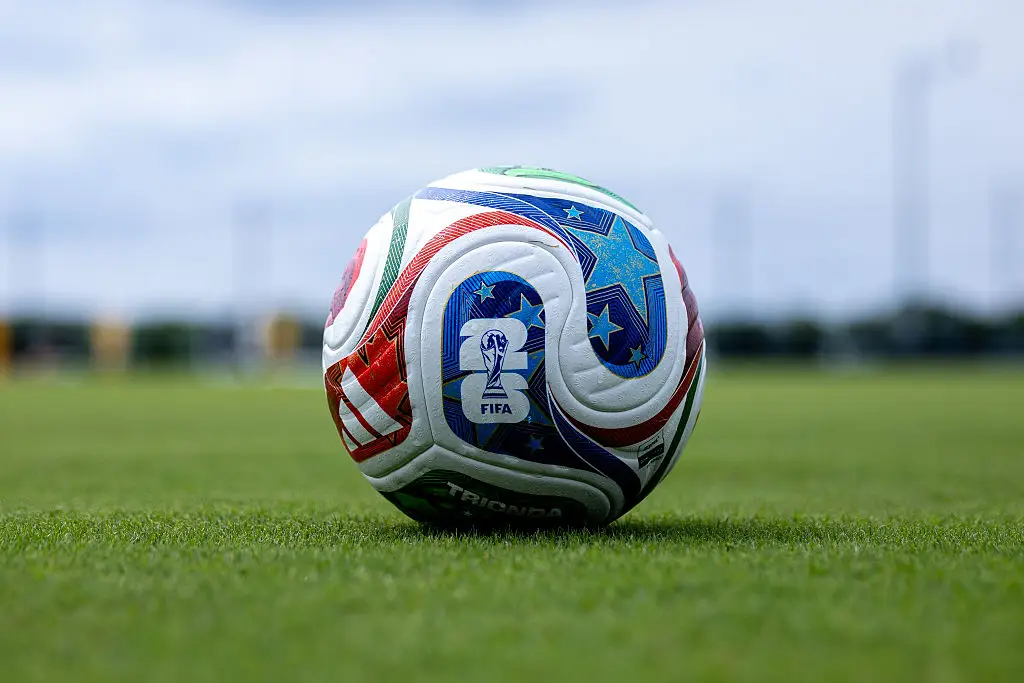
The design of this year’s soccer ball has been created to represent all three of the host countries, with a green eagle to symbolize Mexico, a red maple leaf for Canada and blue and white stars for the US.
The ball has also been named Trionda, which is Spanish for ‘three waves’, for its three host nations.