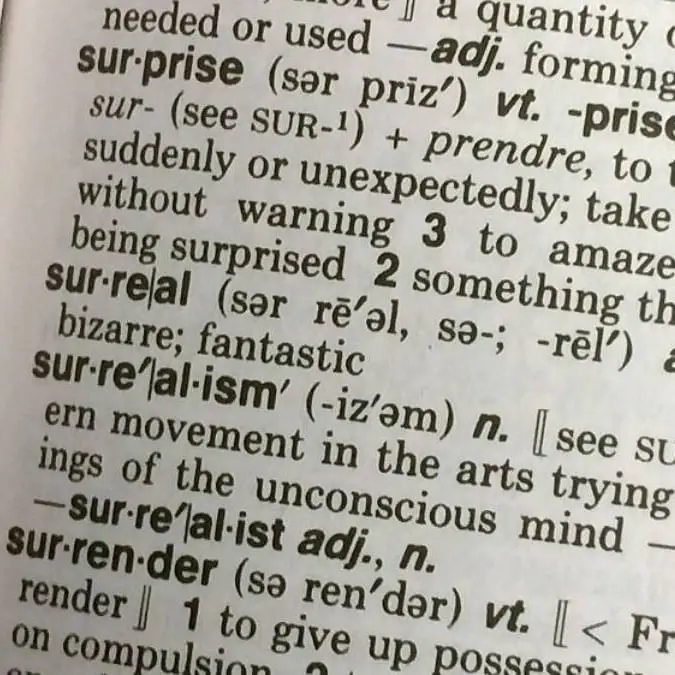
The dictionary sues OpenAI in one of the weirdest ChatGPT lawsuits yet

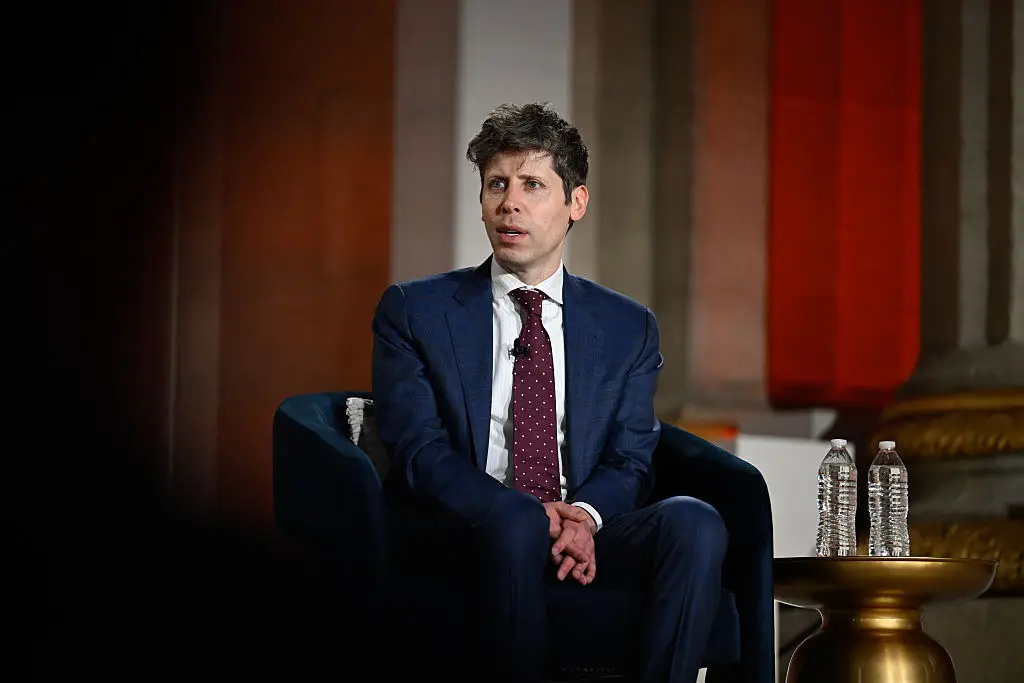
OpenAI has been slapped with another lawsuit, but instead of it being Elon Musk coming for the AI giant, or the families of victims filing wrongful death lawsuits, it's now the dictionary (you read that right) knocking on Sam Altman's door.
It's been quite a roller coaster since OpenAI was founded as a nonprofit in 2015, especially with Elon Musk suing amid claims that Altman has gone against the initial mission statement: "To advance digital intelligence in the way that is most likely to benefit humanity as a whole, unconstrained by a need to generate financial return."
There's also been a mounting number of wrongful death cases since ChatGPT burst onto the market in November 2022. This comes alongside questions about whether OpenAI should've flagged the account of Tumbler Ridge shooter Jesse Van Rootselaar, as well as numerous copyright claims.
Advert
The latest artificial intelligence backlash comes courtesy of Encyclopedia Britannica Inc. launching a lawsuit on behalf of itself and its Merrian-Webster subsidiary. This is over the supposed "massive copyright infringement" by OpenAI.
Filed in Manhattan federal court, it's alleged that OpenAI has scraped some 100,000 online articles that Encyclopedia Britannica owns the copyright to, using them to train its LLMs.
Encyclopedia Britannica also maintains that OpenAI has violated copyright laws by generating responses that use "full or partial verbatim reproductions” of its own content, while ChatGPT's RAG (retrieval augmented generation) is similarly accused of stealing content as it scans for new information when posed a question by users online.
Finally, OpenAI has apparently cited Britannica in so-called false 'hallucinations'. It's alleged that these hallucinations have violated a trademark statute known as the Lanham Act by being wrongly attributed to the publisher.
Reuters notes that this is the second lawsuit of this kind filed by Britannica, with one against Perplexity AI ongoing.
Encyclopedia Britannica is adamant that its websites have been 'cannibalized' because people no longer need to visit them after stopping by ChatGPT.
An OpenAI spokesperson defended the company and added: "Our models empower innovation, and are trained on publicly available data and grounded in fair use."
It's admittedly difficult to establish a case that using copyrighted materials to train an LLM is copyright infringement, especially after the United States District Court for the Northern District of California agreed that Anthropic's use of digital copies of various authors' work was fair use.
Anthropic didn't come out of that case unscathed, especially after it was ruled that it had used pirated library copies. In the end, OpenAI's rival was ordered to pay $1.5 billion for $3,000 per book, plus interest.
Britannica joins a growing list of those who've attempted to take OpenAI to court. Notable plaintiffs already include The New York Times, IGN owner Ziff Davis, and newspapers ranging from the Chicago Tribune to the Toronto Star.