'Existential catastrophe' that could hit following Trump's controversial 'Genesis Mission'


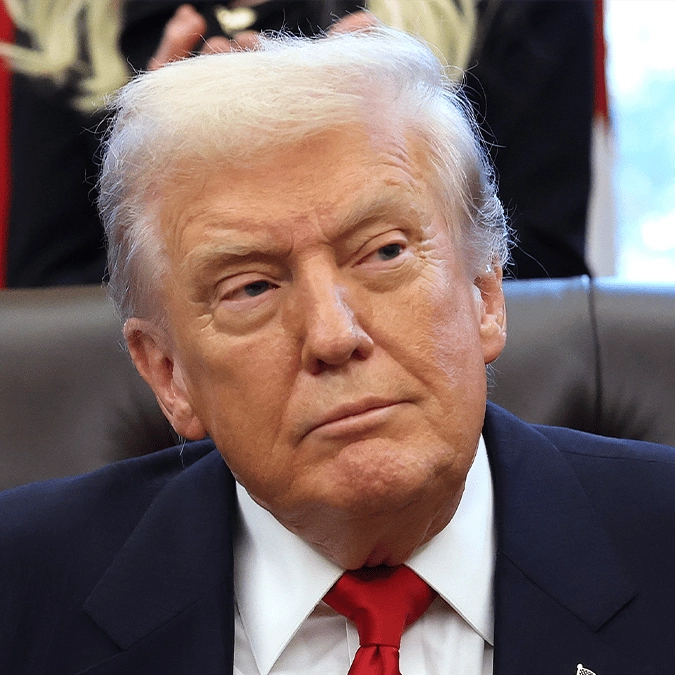
Potentially one of the biggest artificial intelligence initiatives has just been launched by the United States government, as President Trump signed an executive order this week that powers what his administration is calling the 'Genesis Mission'.
While artificial intelligence has been pushed heavily on the consumer side of things with many of the world's largest tech companies battling it out to be the choice for most, it's increasingly important for various governments, especially in relation to global power struggles.
One of the biggest forms of political tension across the world right now is the 'race' for AI dominance between the United States and China, with the former even going as far to ban the sale and distribution of essential AI hardware in the latter's market, leading some Chinese developers to look for unexpected solutions.
The Trump administration believes that they have now achieved a major leg up over the competition with a new initiative though, as some government officials are calling the newly-established 'Genesis Mission' the most important political initiative since the space race.
Advert
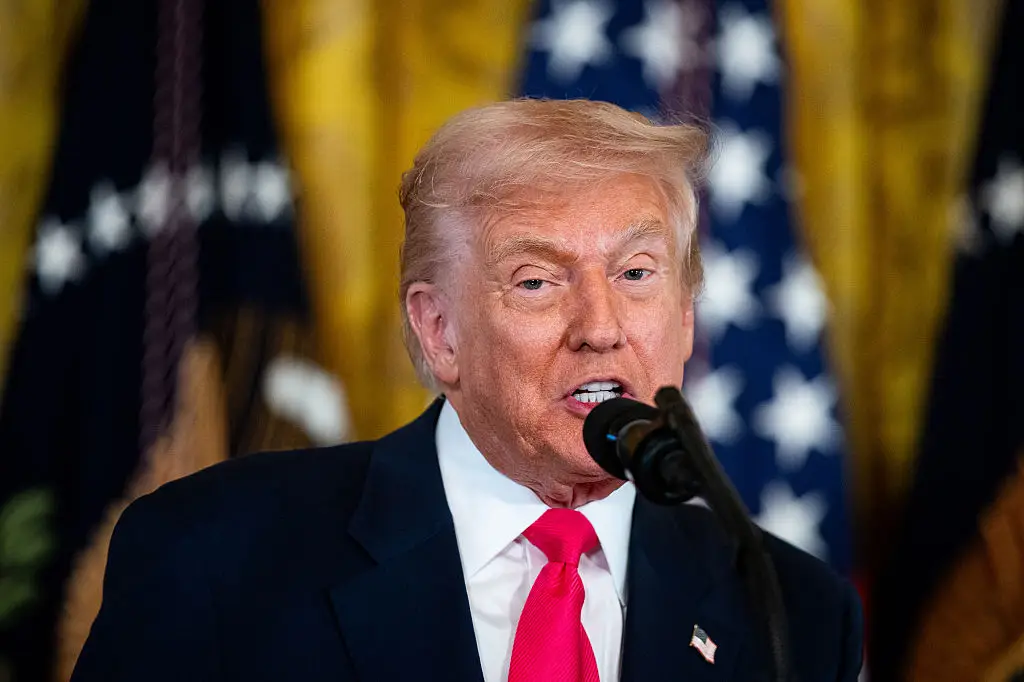
As reported by the Independent, President Trump has now signed an executive order that uses thousands of data sets compiled by various agencies across the government to 'supercharge' scientific research using AI, in the hope to develop new drugs and achieve major breakthroughs.
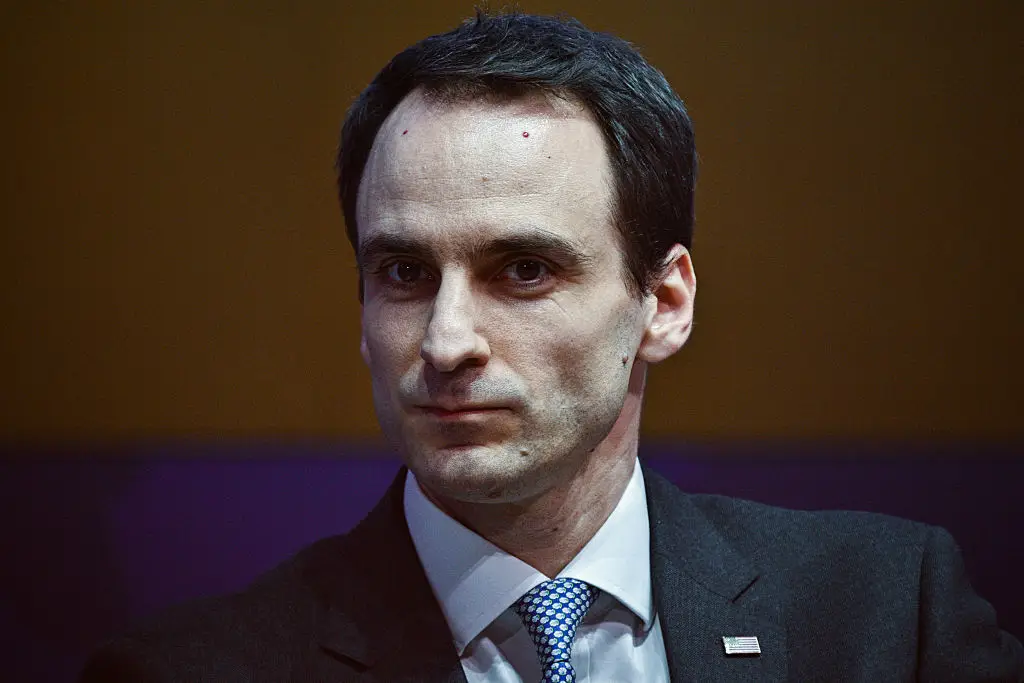
Michael Kratsios, the White House Office of Science and Technology director, asserted that this Genesis Mission would take advantage of "the unmatched computing capabilities and resources of the Department of Energy's National Laboratories to unlock federal data sets, enable autonomous, closed loop experimentation and massively accelerate the rate of scientific breakthroughs."
It aims to do this by "unifying agencies' scientific efforts and integrating AI," calling the method a means to "revolutionize the way science and research are conducted by fusing massive federal data sets, advanced supercomputing capabilities and world-leading scientific facilities," according to Kratsios.
While this could potentially shorten the time for scientists to 'discover' these revolutionary new methods, some have claimed that the process of deregulating AI would potentially open the United States up to existential catastrophe.
This relates to the removal or weakening of rules and safeguarding measures that would otherwise restrain the capabilities of AI, but in turn ensure that humans don't lose control, and it's something that one Jeff Bezos-backed CEO has warned about in the past.
Other AI experts – including the 'Godfather of AI' – have expressed fears that AI could eradicate humanity in the not-so-distant future, and frightening timelines that see humanity wiped out by 2030 are fuelled by a reckless desire for innovation that places supposed progress over the safety of humanity.
Prioritising speed over safety might achieve some breakthroughs that would otherwise have taken far longer without the use of AI, but there's the apparent risk that the AI doesn't always align with your own goals or provide exactly what you're looking for, and that could be catastrophic, especially as AI rapidly increases its capabilities.