
Oklahoma Cherokee tribe bans AI data centers on their land in groundbreaking decision


Out of concern over its citizens and tribal land, Cherokee Nation has officially ruled that hyperscale data centers – including those powering AI – are banned from being built across the tribe's 14-county reservation in northeastern Oklahoma.
Driven by an official task force led by Principal Chief Chuck Hoskin Jr., data revealed that 64% of nearly 1,600 surveyed members of the tribe opposed the construction of data center infrastructure, primarily with concerns over the environmental impact that it would have on the land.
As reported by Tom's Hardware, the task force outlined a number of potential issues that could arise, including energy and water consumption, air quality, noise pollution, and cultural resource protection, with these all contributing to the groundbreaking ban.
It also outlined that it won't support any future construction projects on non-tribal land without prior consultation early on in the process, with a number of data centers already existing in the reservation for over a decade now, including one from Google.
What has the tribe said about its data center ban?
Addressing the significant decision to prohibit the construction of new data centers, Principal Chief Hoskin outlined:
Advert
"Our primary responsibility is to protect our citizens and tribal communities from these threats, so we will not support any hyperscale data centers on our reservation without proper consultation."

It will prove difficult for Cherokee Nation to stay on top of any plans to build data centers, however, as the state and federal regulations do not require companies to register these construction projects anywhere.
Instead, they will have to rely primarily on new backup-generator air permits through the Oklahoma Department of Environmental Quality, yet this isn't a perfect solution.
Cherokee Nation has sovereign control over the 14-county reservation area, however, with its own government, constitution, laws, and regulations — making this particular ruling a major blow for tech companies who might want to expand into the area.
Why data centers might be bad for local areas
It's easy to understand why Cherokee Nation has made this decision though, as there has been an equal level of opposition to data centers across the United States with many against their construction.
Aside from the long-term dangers associated with their growing potency and a general opposition to artificial intelligence as a concept, data centers are often extremely disruptive to the lives of those in the surrounding area, and can dramatically increase costs as a result.
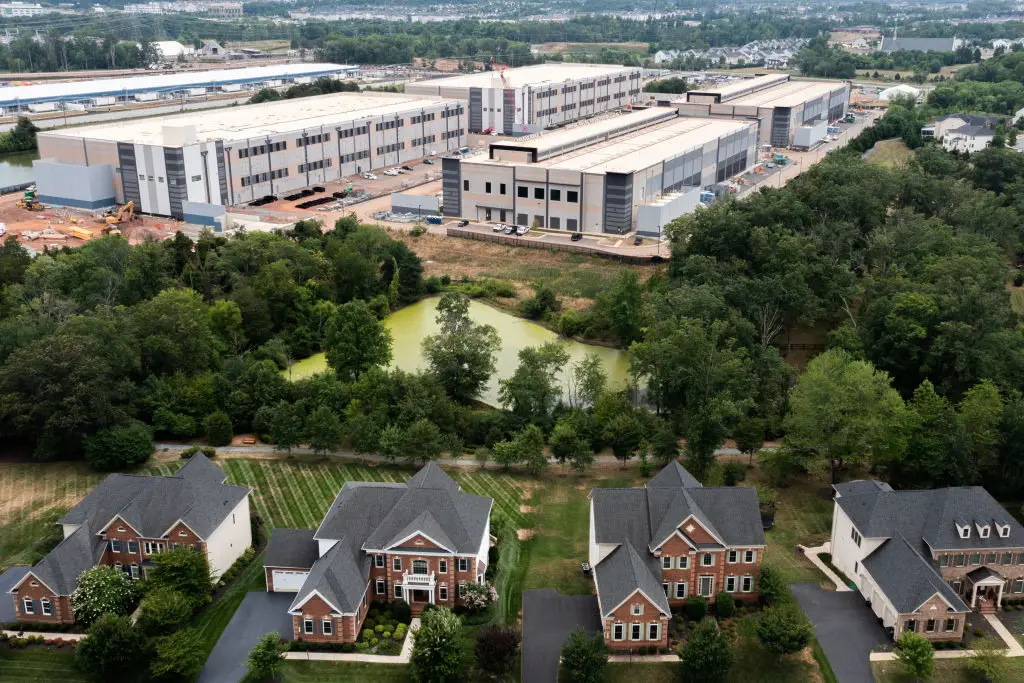
One woman living by a Meta-operated data center, for example, has seen her access to water significantly damaged and is often kept up in the night by blindingly bright lights and loud noises.
Data centers operated by Elon Musk's xAI have also allegedly caused significant harm in some Memphis communities too, with residents complaining that they can't breathe due to the toxic fumes produced by the building's methane gas turbines.
Some studies have shown that data centers actually increase the price of housing in their immediate radius, yet on an individual basis it would be hard to imagine anyone being too happy with one cropping up in their back yard.