ChatGPT makes eerie prediction when asked which job will be overtaken by AI next


Many have become fearful for the security of their jobs following the rapid rise of AI, and ChatGPT has outlined which role will be the most likely to be overtaken next.
According to experts there are only a handful of roles that are completely safe from the threat of artificial intelligence — and that’s just with the technology that’s available right now.
The most popular models have evolved dramatically over the course of just a few years, and some CEOs believe that we’re closer than you’d expect to the point where technology matches the capabilities of humans.
Some have already seen parts of their jobs replaced by AI, if not completely eradicated, yet there’s still plenty more damage to be done according to the software itself.
Advert
According to ChatGPT, the role most at risk of what it deems to be ‘major displacement’ in the near future is entry-level content writing and copywriting, which has long been speculated across the last few years.
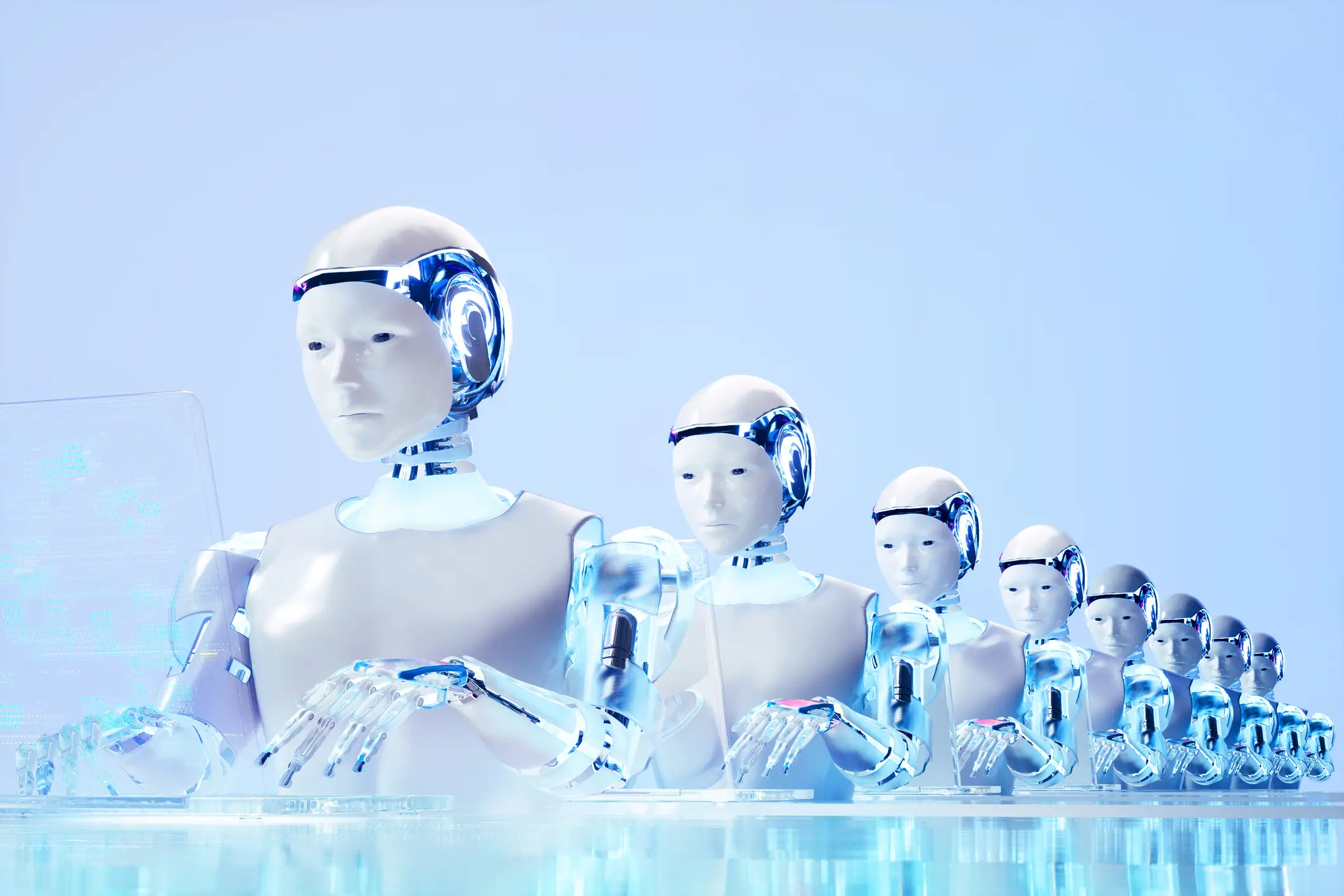
As to why, the AI tool argues that it’s already capable of producing high-quality blog posts, product descriptions, SEO copy, and social captions, noting the cost benefits of using AI instead of people in this scenario.
It argues that getting rid of human (often junior) staff and replacing them with AI, overseen still by a human editor, is what’s most likely to occur in the near future.
One perhaps ‘promising’ note is that it believes content that has strategic messaging and a clear brand voice is likely to persevere unhindered by AI, alongside instances of investigative journalism and high-end creative campaigns.
ChatGPT also predicts that customer support will be next on the chopping block after that, and it’s arguably already happened with companies as big as Klarna opting for AI — albeit in a move they had to walk back on last year.

Jobs that AI will find hard to replace, however, are those involving physical dexterity in unpredictable environments, alongside those requiring high emotional intelligence and complex real world responsibility.
It’s why integrating artificial intelligence into the world of medicine remains a complex and controversial topic, as while many doctors have taken up the tools for tasks like note taking, many rightfully still don’t trust a computer when it comes to offering actual analysis.
The question for many still concerns the aftermath of AI-enforced mass redundancies, as while those within the industry have suggested that increased profits could afford ‘universal high income’ schemes, the reality is likely to be far more frightening.