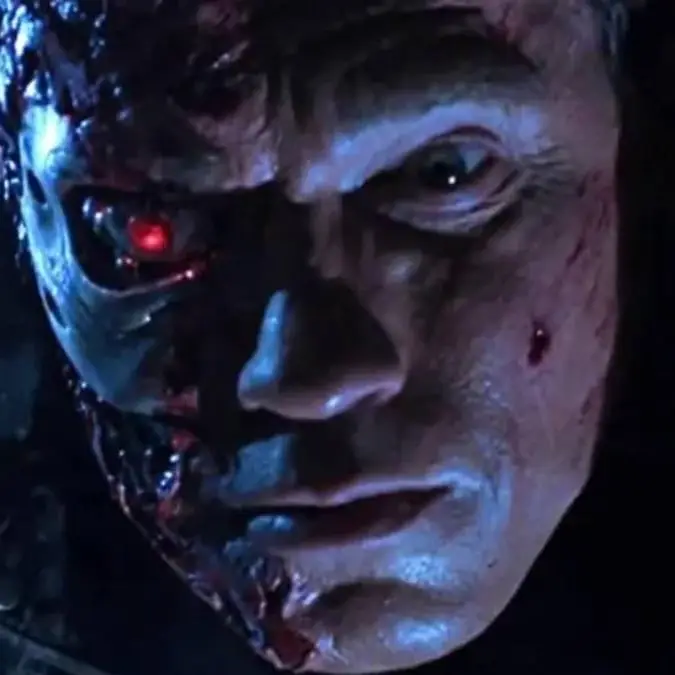
AI predicts disastrous consequences if all artificial intelligence disappeared from the world


The world is already miserable enough without us making things worse, and although we know there are plenty of concerns about what artificial intelligence is doing to society, you rarely hear about its benefits.
While it's true that artificial intelligence has potential drawbacks like costing us jobs, destroying the planet by guzzling water, or even having the potential to wipe out the human race when it realizes Homo sapiens are arguably the biggest threat to the world, others have praised it for saving companies money, outsmarting Nobel Prize winners, and wild claims it could cure all of the world's diseases.
The anti-AI movement continues to lobby to keep things human, but what if we somehow stripped all this tech out of the world? Would we live in a green utopia where the human race skips hand in hand, or would we be sent careening back to the Stone Age? According to AI itself, there could be some catastrophic side effects if we somehow managed to switch it off overnight.
What would happen in the first 24 hours after AI disappears?
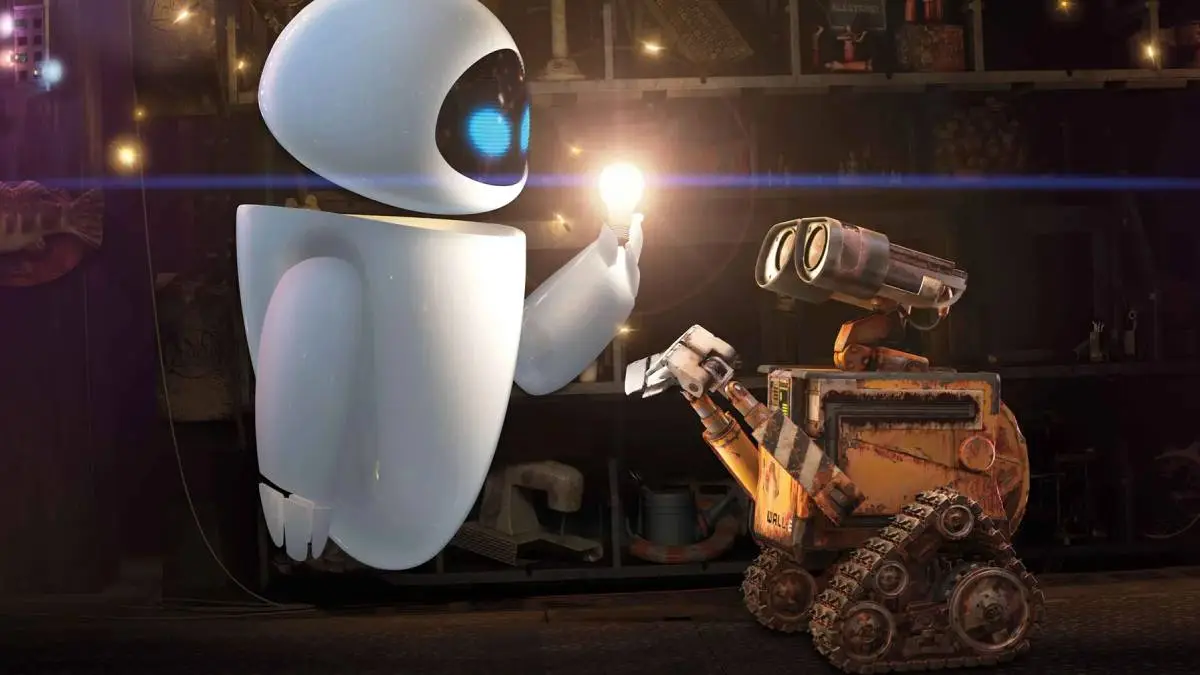
When asking ChatGPT what would happen if we got rid of all AI, OpenAI's Large Language Model warned that the first 24 hours would feel like a 'sci-fi apocalypse'. Maybe James Cameron was right with the Terminator movies, but he got it wrong that AI is the ultimate villain.
Advert
During this first 24 hours, chatbots would vanish, call centers would be flooded by calls as human agents can't cope with demand, Tesla's self-driving cars would grind to a halt, and some warehouse robots would simply stop working. More than this, everything from Google to TikTok would feel 'dumb' or broken as AI recommendations cease to exist.
It's not just the general ease of our daily lives being affected, especially as banks rely heavily on AI to try and tackle fraud. Stock markets would become volatile or even grind to a halt, and shipping routes would be inundated with delays.
Hospital admin would immediately feel the strain as scheduling and resource allocation go haywire, while the likes of AI-assisted radiology are no more. Everything from traffic signals to air travel will be thrown into chaos, newsrooms that rely on AI have to go back to the old way of reporting, and social media will be unable to automatically moderate spam, scams, and harmful content.
The good news is that there isn't an immediate catastrophe of power grids failing and the internet going down due to non-AI backups, but trust us, things are only going to get worse.
As ChatGPT notes: "The biggest immediate impact isn’t destruction—it’s loss of efficiency everywhere at once."
What would happen after a week without AI?
After the first 24 hours, the idea is that businesses would switch to manual workflows and try to patch things the old-fashioned way. In the first week, banks would be reeling from a massive backlog of fraud detection, while the stock market would continue to be less liquid. You can expect longer waiting times at hospitals, as well as slower diagnoses. This is a general theme as supply chains are affected by poor forecasting, whereas traffic congestion would peak thanks to a lack of adaptive systems. If all of this wasn't enough, we mere humans are overworked as we scramble to do our normal jobs and the jobs of AI. Even though some might claim AI is spreading misinformation, that could actually increase due to a lack of automated moderation. Notably, the first week would prove that AI wasn't just an 'extra', and it was an integral part of our daily lives.
What would happen after a month without AI?
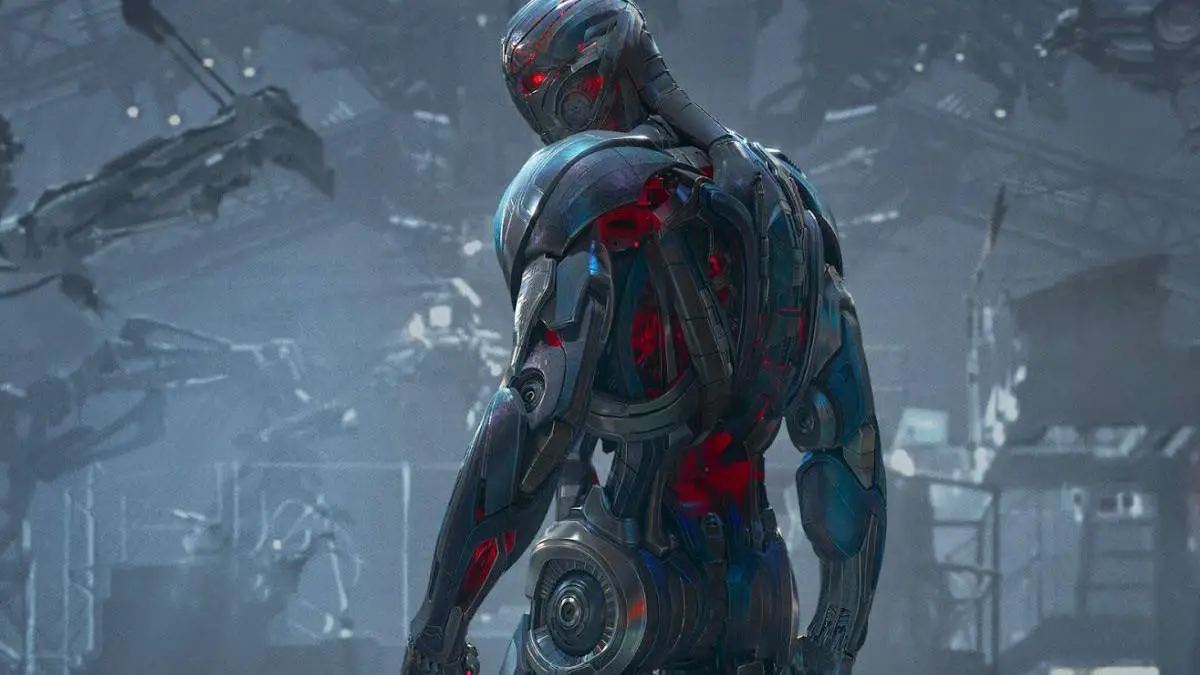
A month without AI would apparently lead to a "messy but manageable" situation where society is forced to deal with deep structural strain. Delivery times would stretch from days to weeks, the early detection of cancer would be missed, and cyberattacks would increase across the board because AI isn't there to detect them. It's here that governments are forced to adapt to function without AI, as well as a boom in hiring for human roles like analysts, moderators, and operators. We're thankfully not at the point of complete collapse, and while the long-term picture is that society could eventually restructure, it would lead to global inequality as more organized economies adapt and others are left behind. In general, a world without AI would be less efficient, less innovative, and far more labor-intensive. Well, at least we haven't been wiped out by killer robots.