'Godmother of AI' predicts the next milestone of artificial intelligence that will send shockwaves through the world


One of the most important names in the world of AI has offered her own assessment of the technology's next major evolution, as the 'Godmother of AI' has a prediction that could shake the world to its core.
While many of the warnings from the 'godfathers' of the world of artificial intelligence have leaned towards the apocalyptic, including suggestions that it'll widen the wealth gap and even lead to the eradication of humanity, one key figure has suggested a slightly different path.
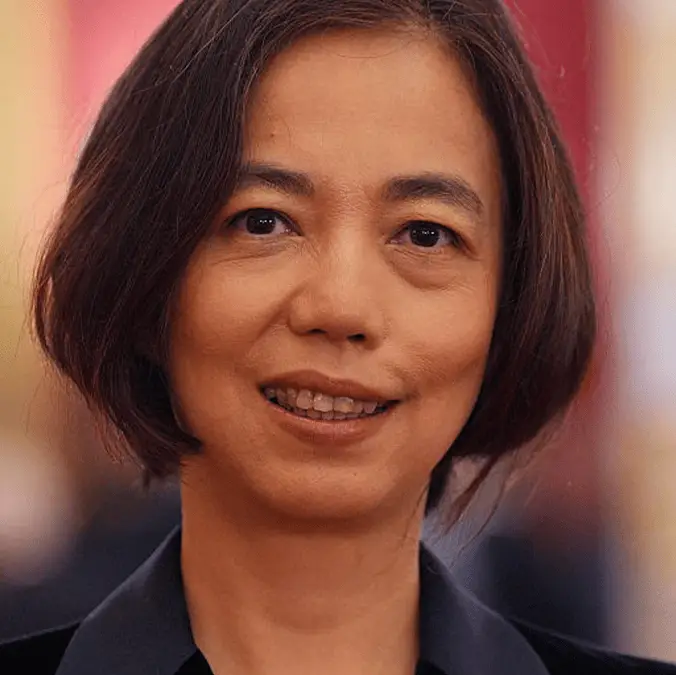
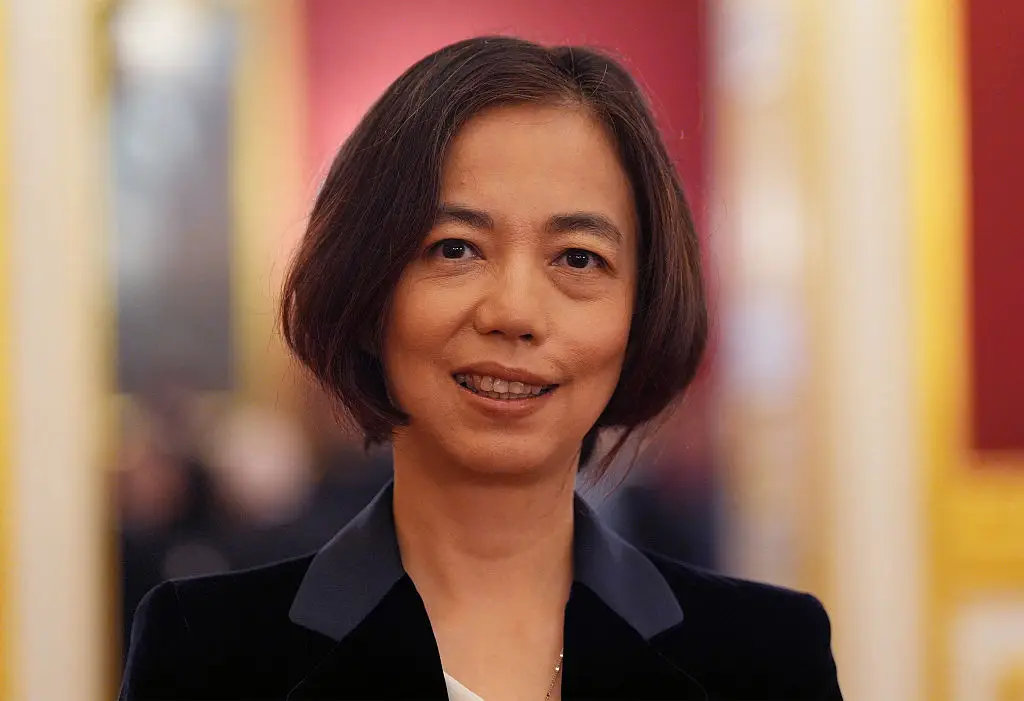
Professor Fei-Fei Li is widely known as the 'Godmother of AI' despite her initial reluctance to take on that moniker, and was a vital figure in the development of artificial intelligence as we know it through her work on ImageNet, which is a project that defined and developed how computers are able to 'see'.
Advert
As reported by the BBC, Professor Li has proposed what she believes will be the next big evolution of AI, and it could dramatically change how it's used and its relationships with humanity.
She believes that AI will unlock its next level when it's capable of directly interacting with the world that surrounds it, as this is something that is "innately important and native to animals and humans," so would be a major advancement for technology to achieve.
This could broadly been seen as an element or central to the development of artificial general intelligence, as it would in theory represent the enhanced 'sentience' and automation of the software, making it arguably as capable (if not more capable) than humans.
While it would be easy enough to suggest that this would lead to human downfall, Professor Li has taken a contrasting approach and emphasized that this could be a "superpower" for humanity, indicating that it would enhance "creativity, robotic learning, design, and architecture."
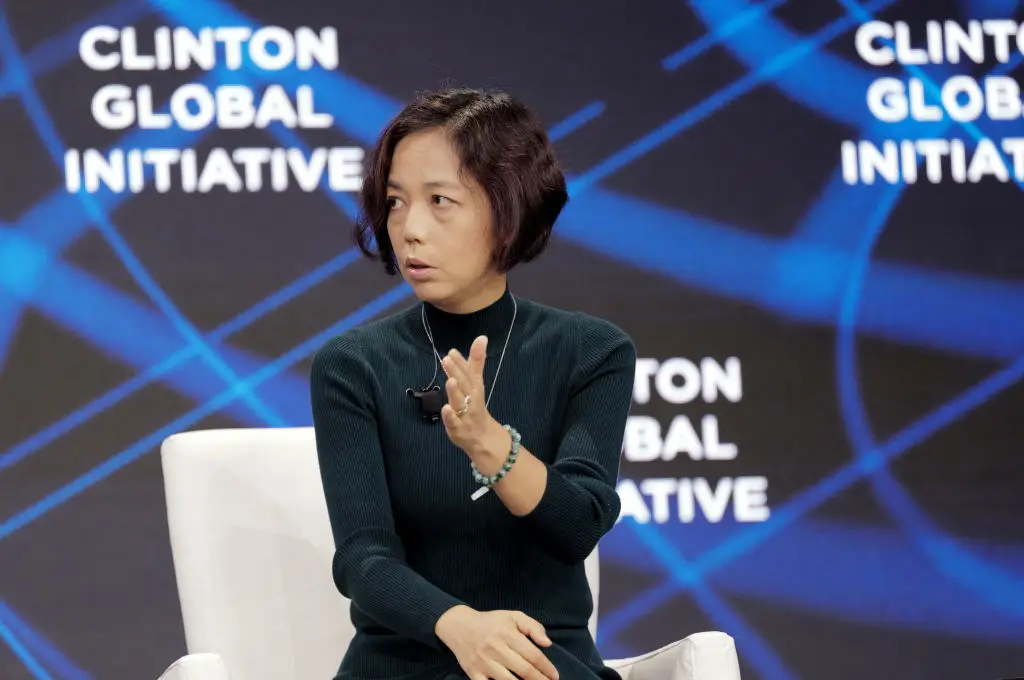
This is due to what she deems to be her more "pragmatic approach" compared to her contemporaries, but she still insists that contrasting opinions on topics like this is "healthy" in the grand scheme of things.
"A topic as profound and impactful as AI requires a lot of healthy debate and public discourse," she argued, adding that "in the case of AI, both extreme rhetorics concern me.
"I have always advocated for a much more science-based, pragmatic method in communicating and educating the public. So, yes, I would like to see our communication of AI to be much more moderated and grounded in facts and science instead of the extreme rhetorics."