
Sony issues painful reminder you don't actually own the digital PlayStation games you've bought


Sony's reputation in the gaming world isn't exactly at its best right now, but that hasn't stopped the company from reminding players that they still don't actually own any of the games they buy digitally before taking away the option to purchase physical versions instead.
This reminder, sent as an email to players who have agreed to a recent change in the PlayStation Terms of Service, has a special section denoting what game licences mean to the player.
If you're unaware, when buying a game digitally, you're not actually purchasing the title itself, but instead a licence to access it.
This can be revoked at any point if you are deemed to have breached the terms of the agreement made with the store or Sony at large.
Advert
It's what prevents you from simply taking the game files off of the console and giving them to someone else to play – as you would if you had a physical disc – and it's key to why the planned move away from physical games has proven to be so controversial.
Sony reminds gamers that they don't own anything
As shared by Tom Warren of The Verge on X, the email provides a copy of the PlayStation Terms of Service for anyone who has recently signed it, with section 1.4, 'The Licence to you', explaining that you don't own any digital games that you buy.
"The Software is licensed to you, not sold," the section details. "You are granted a limited, non-exclusive, non-transferable, and personal licence to play or use the Software for your private, non-commercial use on the system or device it was intended for.
"This licence is only effective from the indicated Software release date, early access date, or beta release date," it continues. "Any rights in the Software that we do not say are granted to you in this licence are reversed, including all intellectual property in the Software."
Effectively, this message is another reminder that Sony can revoke games that you've paid for with your own money at any point, and you technically don't need to have done anything wrong, either.
While some cases – such as an account ban or breach of terms – can lead to you losing a licence, it can also be revoked if the developer delists their title or if it is removed by Sony from the store for reasons outside of your control.
How does this impact the ongoing disc controversy?
While licence agreements are far from a new phenomenon, and have been around as long as you've been able to buy games digitally, people are certainly paying more attention to them now that they're going to be the only way to buy games after January 2028.
Digital games are more convenient than physical games from an access perspective, but the benefits for many stop there, as you're not able to share them with your friends, sell them after you've finished them, or buy them on the used market at a price not determined by PlayStation or the developers.
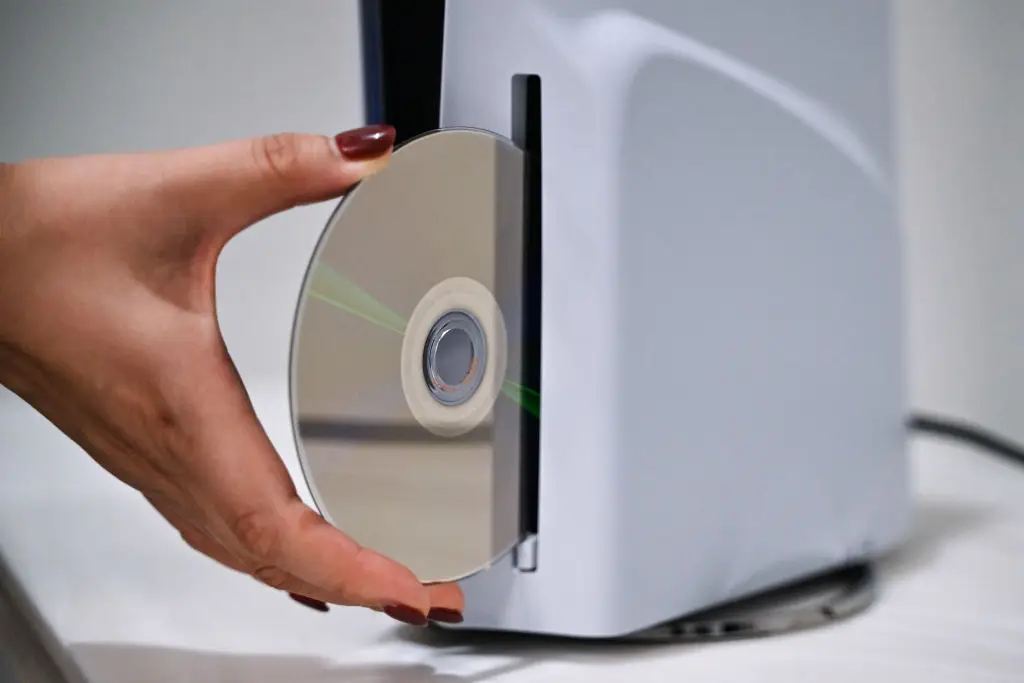
It's why a number of potentially significant lawsuits have emerged following Sony's controversial move, and the motivating factor behind hundreds of thousands of gamers signing a petition voicing their opposition to the change.
People don't just have to worry about a permanent removal of a licence either – although a recent example with film purchases proved why this is a real issue – as you've likely already been impacted by a temporary loss whenever the PlayStation Network goes down, leaving you unable to access your games as the licence cannot be verified.