
Millions of PlayStation users could be eligible for portion of $7.28m settlement in store credit


You could soon be entitled to a portion of $7.28 million, as a recent lawsuit directed towards Sony is likely to result in significant payouts in PlayStation store credit for anyone that purchased specific digital games within a certain time frame.
Digital games have become one of the biggest talking points in the gaming world in recent months, and it's all thanks to Sony's decision to end support for physical discs after January 2028.
The move has sparked significant concerns over the viability of a digital-only future on console, with the PlayStation Store soon to be the only way you can buy new games.
This raises concerning questions over the alleged monopoly that PlayStation might have over the delivery of new games for players and developers alike, and it's something that has received legal scrutiny too with a recent antitrust lawsuit progressing rapidly.
Advert
As reported by the New York Post, a class-action lawsuit, Caccuri v. Sony Interactive Entertainment, alleges that PlayStation gamers were forced to pay a higher price point after being funnelled into a single storefront, and it could provide you with compensation in the form of store credit if you're eligible.
Sony forced to pay $7.85 million in class-action lawsuit
As detailed in the filing, it is alleged that Sony took advantage of the growing appetite for digital games – with the share of digital sales jumping from 43% in 2018 to 62% in 2020 – by 'taking control' of the retail market with a closed-off storefront.

"Sony does not allow other applications that enable consumers to purchase or otherwise download and play video games to run on PlayStation consoles," the lawsuit details.
"To make games available on the PlayStation Store – the only way to sell digital copies – publishers must agree to cede control over the final price to Sony. This forecloses price competition among publishers.
"Finally, Sony eliminated the last vestiges of price competition when it stopped allowing outside retailer to sell digital download codes that could be redeemed on the PlayStation Store."
In essence, the lawsuit argues that Sony has created a monopoly when it comes to digital games, forcing gamers to pay potentially higher prices and pushing developers into unfavorable terms.
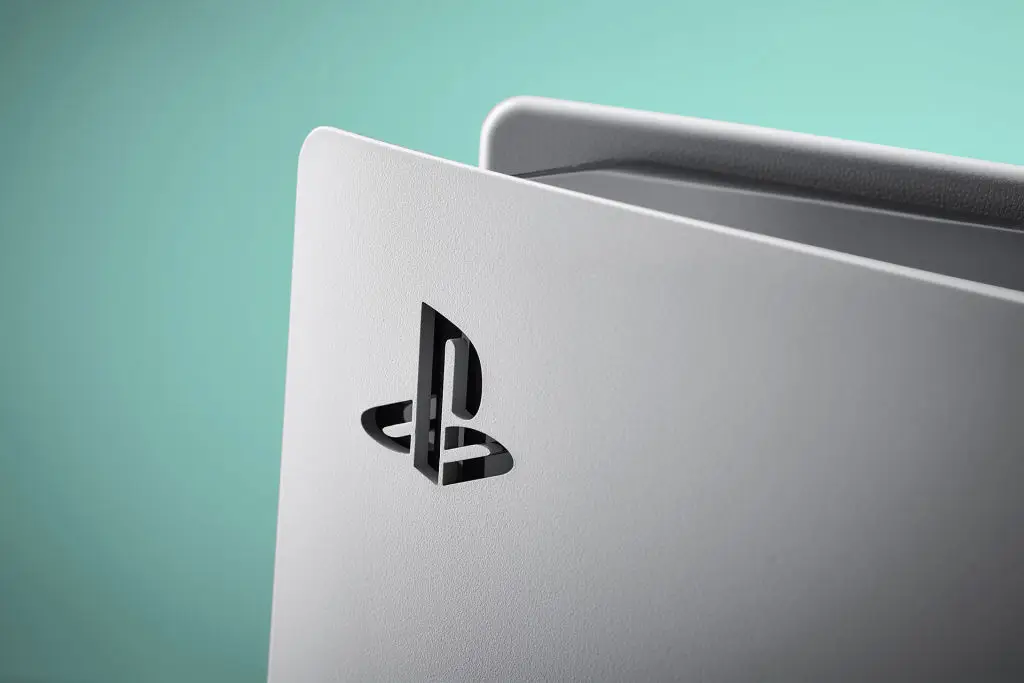
"Sony's monopoly allows it to charge supracompetitive prices for digital PlayStation games, which are significantly higher than their physical counterparts sold in a competitive retail market, and significantly higher than they would be in a competitive retail market for digital games," the filing concludes.
It notes that digital games were, on average, priced around 75% higher than their disc counterparts, with some extreme cases reaching closer to a 175% markup with 'no legitimate reason' for this to be the case.
Sony has explicitly denied any wrongdoing in response to the lawsuit, but has agreed to settle with the aforementioned $7.28 million fee as a result.
Who is eligible for compensation?
According to the lawsuit, in order to qualify for your share of the $7.28 million compensation pot, you need to meet all of the following eligibility requirements:
- Be living in the United States or any of its terrories
- Have purchased a game through the PlayStation Store between April 1, 2019 and December 31, 2023
- Have purchased a game that had a game specific voucher (GSV) available in retail stores prior to April 1, 2019

There are around 100 games in total that would qualify you for compensation if purchased digitally, with the full list available for people to look through. It includes both first-party and third-party titles, with massive games like The Last of Us, Bloodborne, Uncharted, God of War, and many more.
When will compensation be granted?
Payments are expected to be sent once the final approval hearing has happened on October 15, 2026. Anyone who is eligible for compensation should have already been contacted and informed of the steps they need to take, but you can also email the PSN Digital Games Settlement if you believe that you are entitled, which might be the case if your PSN account has been deleted.
Unfortunately that pool of money is not fully shared amongst all claimants, with up to a quarter used to pay for attorneys' fees, taxes, and administrative costs emerging from the lawsuit.
The remaining funds will likely be attributed to each individual claimant based on the number of eligible games they purchased within the time period, although exact figures remain unclear for the time being.