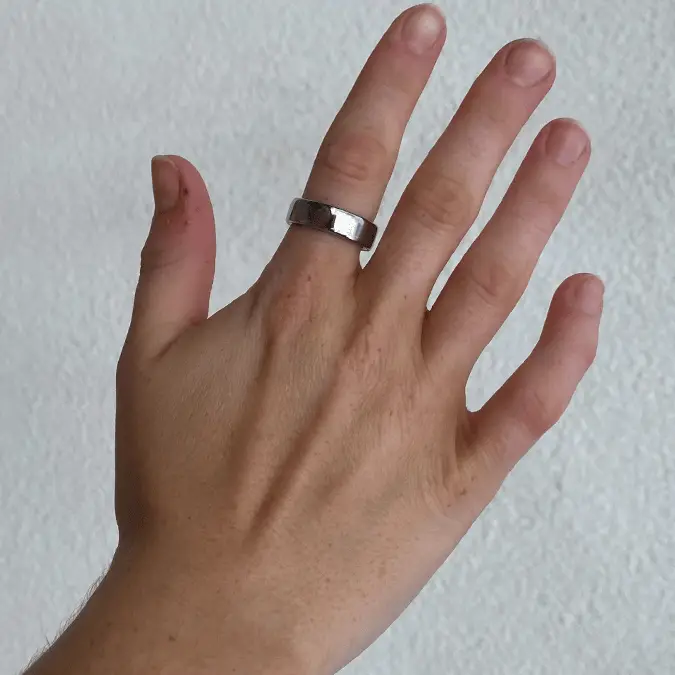
I ditched my Apple Watch for the Oura Ring 5 and uncovered a shocking truth about my sleep


For the longest time, I was a total wearable skeptic. In my mind, smartwatches were strictly reserved for Hyrox bros, marathon obsessives, and the Steven Bartletts of the world.
That all changed when my partner retired his Apple Watch for a Garmin. Curiosity got the better of me, so I decided to fold and give the abandoned watch a proper go. Sadly, I got hooked.
Seeing my daily step count climb and tracking how hard I was pushing during workouts became oddly addictive.
But there was one major issue staring me straight in the eye: it was ugly.
Advert
No matter how hard I tried to accessorize—even opting for a cute pink Snoopy watch face—nothing could redeem that chunky black rubber band. To make matters worse, the battery life was completely shot.
Despite being a relatively new model, it needed charging every single night, making it impossible to use for its most anticipated feature: sleep tracking.
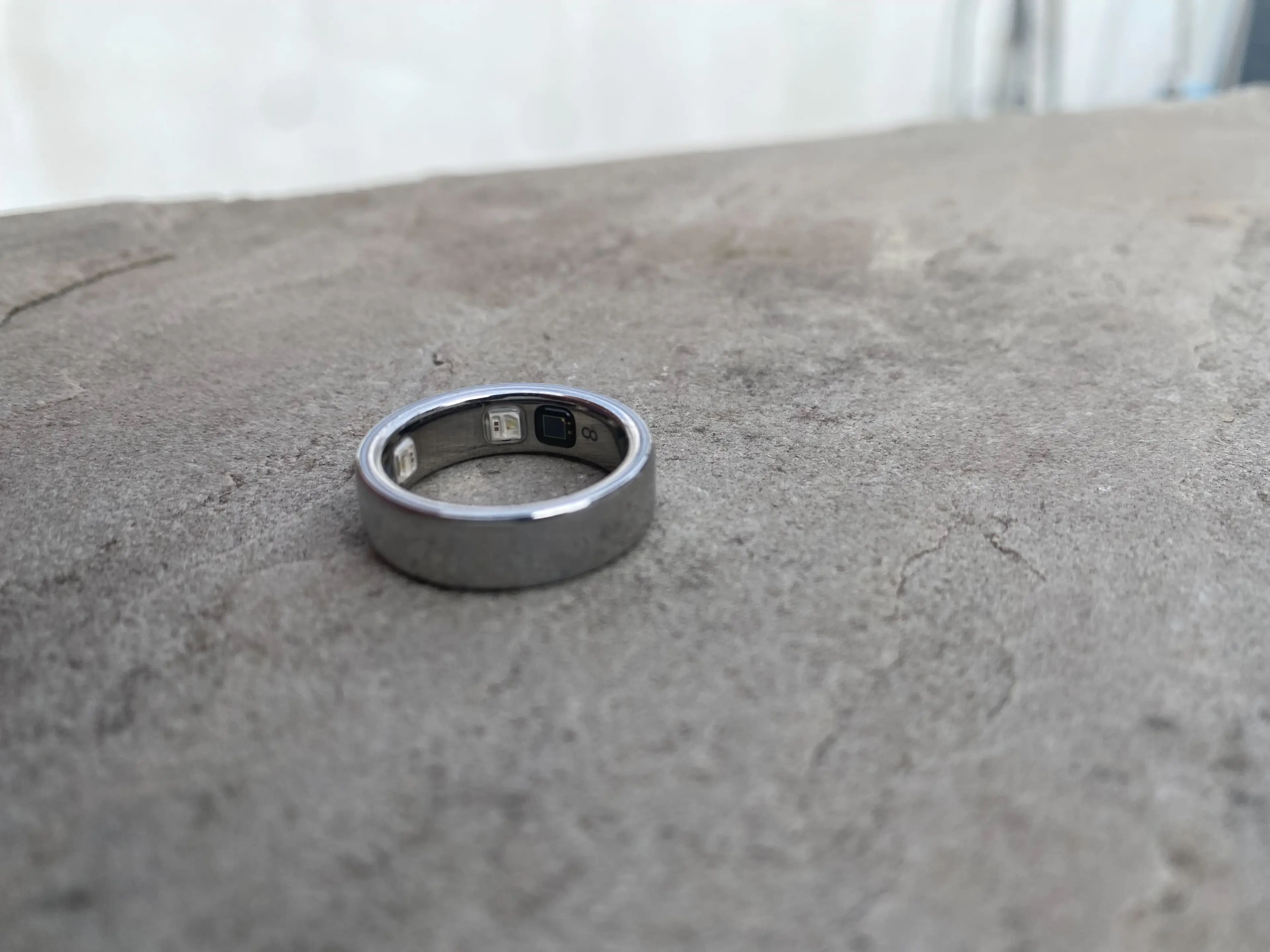
Enter the Oura Ring 5
Then, like a cold Diet Coke on a scorching hot day, in walked the Oura Ring 5.
I had toyed with the idea of getting an Oura ring for years, but when the 5 was released, I was officially sold. Featuring a sleek silver design and an ultra-thin width of just 2.28 mm, it looked like actual jewelry rather than a piece of tech gear. It promised to blend seamlessly with my rings while doing everything my Apple Watch did—and possibly doing it better.
Best of all? I could actually wear it to bed without feeling like I was wearing a mini computer strapped to my wrist.
The Sleep Hygiene Delusion
Sleep is something I’ve always held dear to my heart. My friends are painfully aware after years of me preaching that I need a strict minimum of eight hours per night to be a pleasant, functioning human being.
So, after my very first night with the ring, I woke up eager to delve into my sleep stats and bask in my sleep hygiene glory.
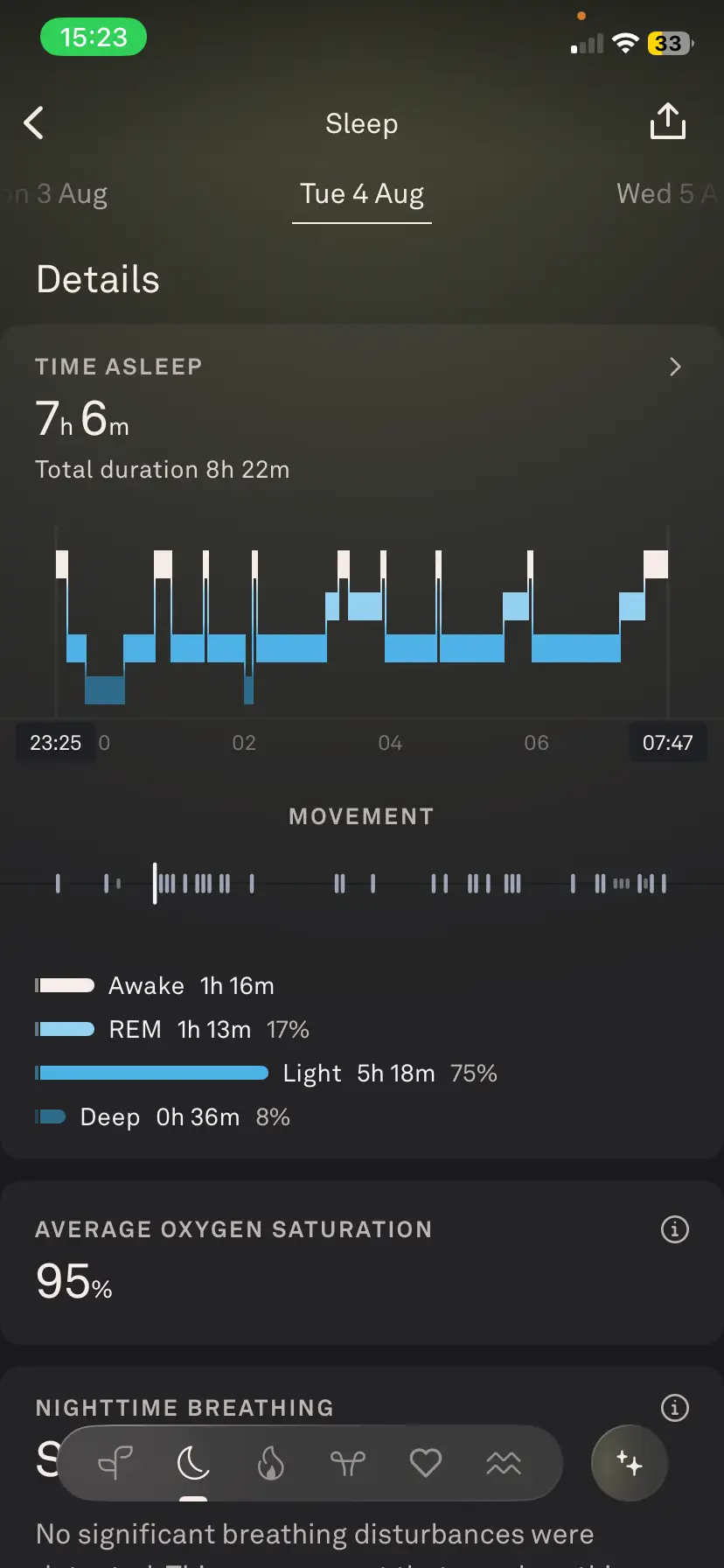
Instead of the pristine eight hours I swore I was getting, my new silver sidekick exposed a harsh truth:
- Total Time Asleep: I was actually averaging around 7 hours a night—not 8.
- Nightly Disruptions: I was waking up regularly throughout the night without even realizing it.
- Deep Sleep Shortage: I was getting less than 45 minutes of deep sleep per night—and occasionally suffering with as little as 30 minutes.
Before the Oura Ring 5 came on the scene, I had no idea why I was constantly waking up feeling drained and exhausted despite "sleeping" all night. Deep sleep is the most vital, restorative stage of the entire sleep cycle—it’s when your body repairs muscle tissue and your brain clears out waste to leave you feeling clear-headed. While experts recommend 1 to 2 hours of deep sleep every single night, I was barely scraping by on a fraction of that baseline.
One Month Later: Fixing My Routine
Fast forward exactly 30 days, and my entire bedtime ritual has transformed.
Seeing those dismal deep sleep scores on my phone every morning was the wake-up call I needed. I started putting my phone and book down much earlier in the evening to give my brain a proper wind-down window. While I'm still working on hitting that elusive 2-hour deep sleep target, my total time asleep has steadily increased, and my morning brain fog has finally started to lift.
[ Old Routine ]  --> Late screens/reading --> 7 hrs total --> 30 mins deep sleep --> Foggy morning
[ New Routine ]  --> Early wind-down     --> 8 hrs total --> Rising deep sleep  --> Restored recovery
Battery Life & The Daily Routine
One of the biggest game-changers over the last month has been battery management.
Where my Apple Watch required constant nightly tethering to a charging cable, the Oura Ring 5 boasts up to 9 days of total battery life on a single charge.
My personal secret? I pop the ring on its charger for just 10 to 15 minutes every morning while I get ready for the day. That quick daily top-up means the battery stays permanently topped off, and I never have to take it off for bed.
What I Actually Miss About the Apple Watch
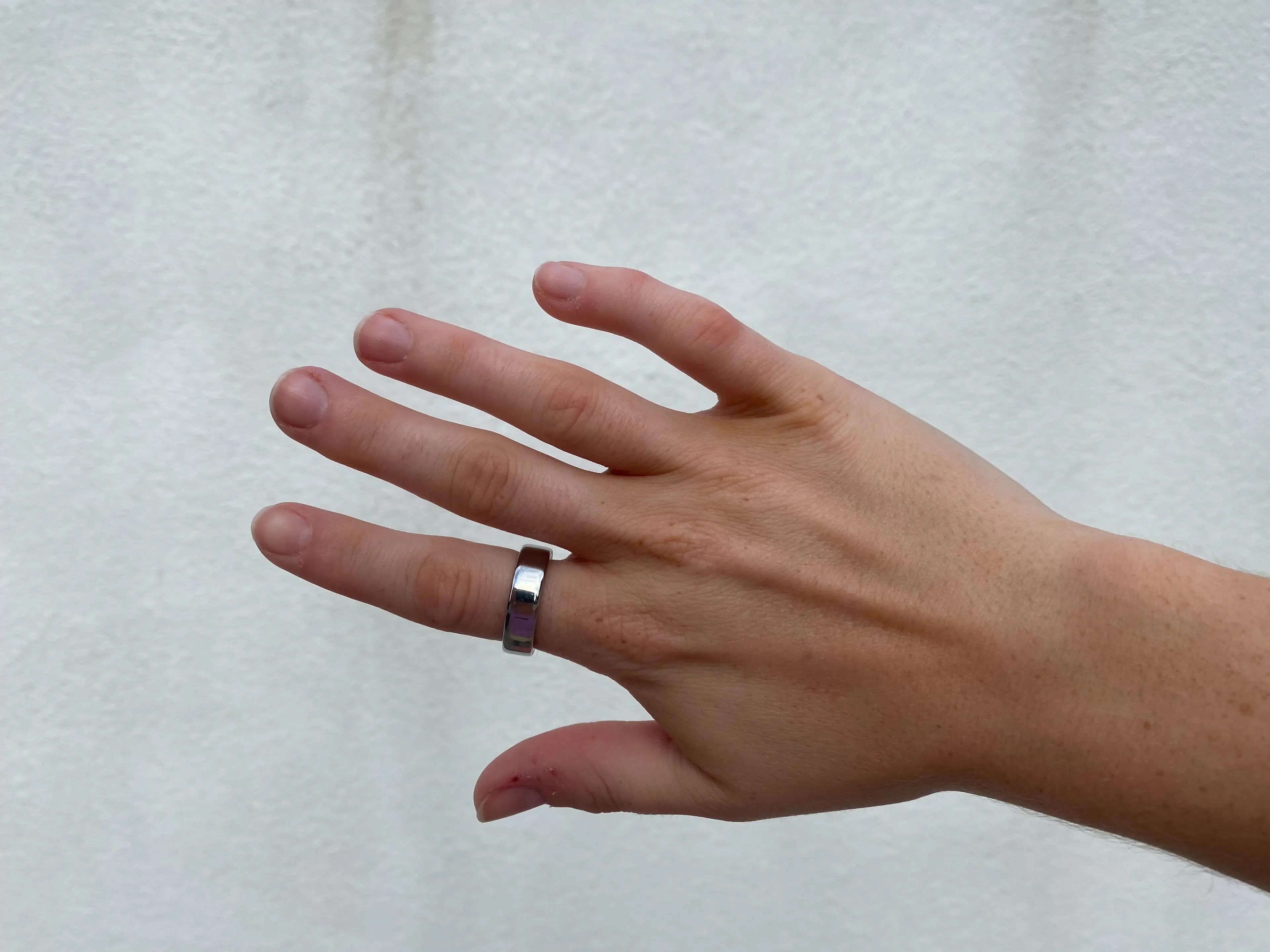
As much as I've fallen in love with the ring, I have to be honest: ditching the smartwatch came with a couple of minor sacrifices.
- The Snoopy Watch Face: I genuinely miss glancing down at my wrist during the day to see a cartoon dog reacting to the time.
- Live Running Stats: While the Oura ring tracks workouts automatically, you can't glance at your finger mid-jog to see how many kilometers you've covered. If you want live pacing or distance data during a heavy run, a watch face still wins.
The Catch: The Monthly Membership
Before you go ahead and swap your smartwatch for a smart ring, there is one crucial detail to keep in mind: the subscription cost.
On top of the ring's upfront price tag, unlocking your full sleep metrics, readiness scores, and long-term health trends requires an ongoing Oura Membership at £5.99 / $5.99 per month (after your first free trial month). Without the subscription, the app’s insights are severely limited.
The Final Verdict
| Feature | Apple Watch | Oura Ring 5 | Winner |
| Aesthetics & Comfort | Chunky rubber band | Ultra-thin 2.28mm silver ring | Oura Ring 5 |
| Battery Performance | Daily charging required | Up to 9 days (10-min daily top-up) | Oura Ring 5 |
| Sleep Tracking & Insights | Uncomfortable for bed | Invisible, deep data analysis | Oura Ring 5 |
| Live Workout Metrics | Real-time wrist screen | Post-workout app sync | Apple Watch |
| Ongoing Costs | No monthly fee | £5.99 / $5.99 monthly membership | Apple Watch |
After 30 days, I have zero intention of going back. Ditching my Apple Watch wasn't just a massive style upgrade—it forced me to confront my terrible sleep quality and make changes that actually improved my health.
If you can live without live workout screens and don't mind the small monthly membership fee, swapping a clunky smartwatch for an invisible health tracker on your finger might be the best decision your sleep schedule ever makes.