Woman who wore her Oura ring during birth shares wild impact labor had on her stats


An Oura ring is one of the best and most convenient ways of tracking your health these days, yet it might not necessarily be ideal for every situation as one woman found out during child birth.
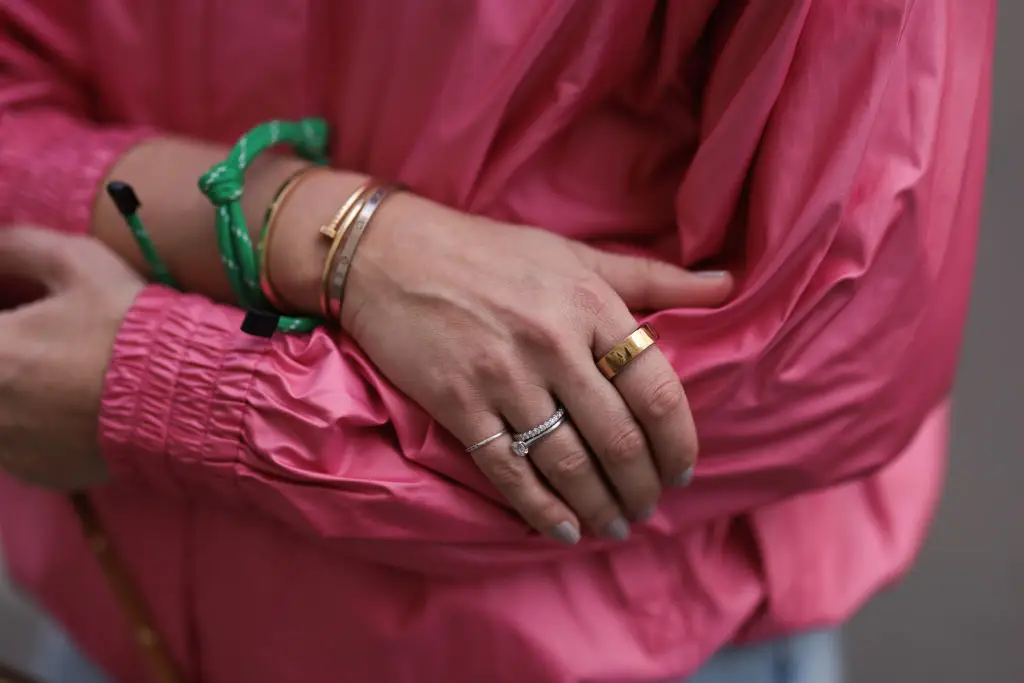
If you don't want the burden of wearing a smart watch – or perhaps it doesn't fit with your outfit – then smart rings are ideal when it comes to wearable tech, providing a discreet way to track your health that can go with you anywhere.
You might even forget that it's on when you're wearing it, and it can provide you with shocking truths about how you sleep and life your life on a broader scale, yet it's not perfect in every way.
One of the more useful metrics that an Oura ring can provide is stress tracking, as while most people don't need to be told that they're stressed, it can be an easy way of monitoring your levels throughout the day to discover trigger points.
Advert
Extreme situations can seemingly leave the gadget a bit confused, however, with labor proving to be a difficult experience for both a woman going through it and the smart ring she was wearing at the time.
How does an Oura ring track child birth?
Sharing her experience on the r/ouraring subreddit, u/little-moonbeam revealed the unexpected data that Oura tracked while she was in labor, and it doesn't appear to accurately capture her experience at the time.
"17 hours of unmedicated labor, several of those hours having the worst contractions in the world feeling like I was about to die," she explains, yet the Oura app barely registered that she was stressed throughout that period, despite having a resting heart rate of 101.
"I can confidently say I experienced more than 30 minutes of stress," she asserted, facetiously, asking the wider community if "anyone else in labor had Oura data that seemed to match what they experienced a bit better?"
Looking at the chart she shared there was only five moments across the 17-hour period where she entered the 'Stressed' section, with the vast majority of the time alternating between 'Engaged' and 'Relaxed' — two descriptors that most wouldn't necessarily associate with labor and contractions.
Others in the comments shared similar experiences tracking their stress during child birth, with one even noting that "this is actually the best chart I've seen for someone wearing their ring during labor," indicating that it's a wider issue.
"My ring showed a 'balanced day' for stress when I was in labor," added one user. "I can personally guarantee that unmedicated labor is not a 'balanced' stress level!"
Oura shares update on research into labor prediction tech
While Oura is seemingly unable to reflect the stress of experiencing labor, the company is conversely working with scientists on enhancement that could see the health-tracking ring used to predict whether birth will happen before or after the predicted due date.
Data indicates that only 5% of all births actually occur on the scheduled due date, with a variance period of around two weeks either way without any reliable means of narrowing that down any further.
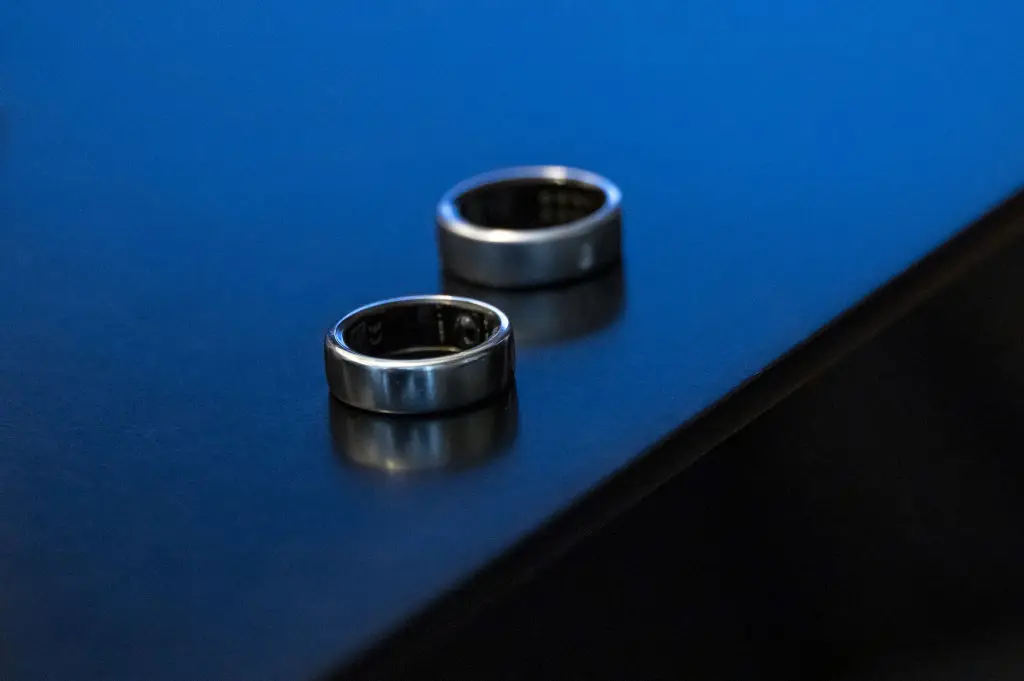
Research that began back in 2023 planned to use Oura's wearables to see if the gadgets can help predict labor onset at a more consistent and reliable rate, with scientists able to discover a pattern between physiological data points and the forecasted length of pregnancy.
This uses data like skin temperature, metabolic activity, physical activity levels, and sleep patterns to increase the accuracy of predicting labor onset by 71% on average — with all of these able to be tracked using an Oura ring.
Unfortunately this still falls below the threshold of clinical application, but Oura claims that it provides "a foundation for future clinical testing," adding that "the continuous advancement of Oura's technology is marking new exciting developments for women."