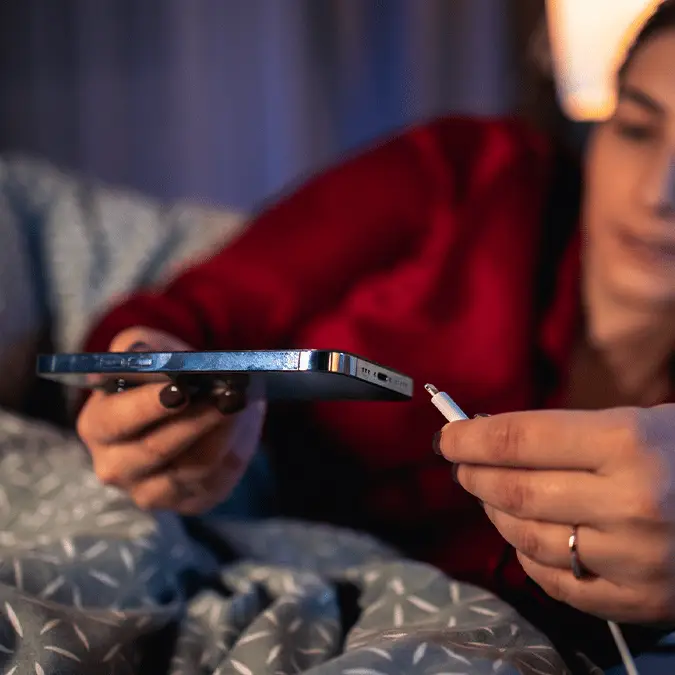
Overnight iPhone charging rule most people swear by may not be as accurate as you think


Preserving the health of your phone's battery is one of the most important parts of ensuring its longevity, and that's why so many experts recommend one key habit when charging your iPhone every day.
It'd be hard pressed to look up anything about your iPhone's battery without being bombarded with advice related to charging habits, with the one common tip being that you shouldn't leave it plugged in overnight.
While there are some alarming safety concerns that are also associated with this habit, the main issue relates to the long-held '80/20 rule' where you shouldn't have your phone's battery life exceed 80% or drop below 20%.
This is due to how batteries historically held charge and dealt with overcharging, and it definitely made sense for a long time, thus remaining conventional wisdom within the smartphone world.
Advert

However, it might not necessarily be as accurate as you think when it comes to the latest phones releasing, prompting some to return to the long-discouraged habit in the name of convenience.
As shared by Supercar Blondie, many phones – including Apple's latest devices – have implemented complex and sophisticated power management systems that prevent the damage that overcharging would historically cause to the gadget's battery.
Phones are able to detect and adapt their systems once your device reaches 100%, and some even allow users to artificially cap their battery percentage to stop the device from 'overflowing'.
Additionally, some devices also feature smart charging technology that syncs with alarms or typical wake up times, meaning that it slows down the amount of power supplied to the device overnight to mean that it only reaches 100% just before you wake up.
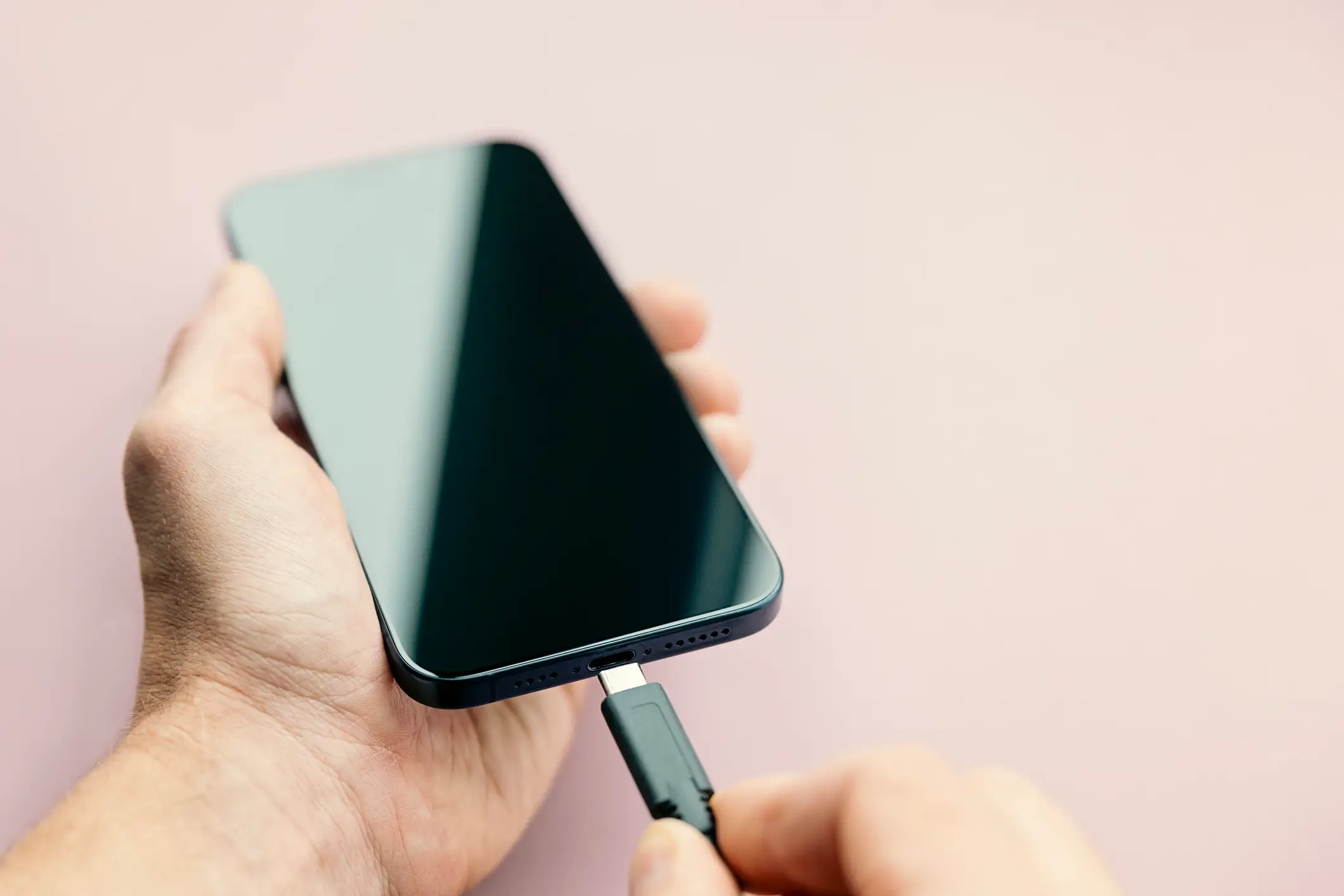
Lithium-ion batteries are still most efficient within that aforementioned 20% to 80% range however, so you do want to keep it there as much as you possibly can, although the damage outside of that range is far less than most people think.
That could change with the introduction and widespread use of new types of battery technology, however, with some manufacturers opting for silicon carbon hardware that offers not only faster charging speeds but a far larger capacity to size ratio.
This not only means that you won't necessarily need to charge your phone overnight as often due to your phone staying on for longer periods of time, but the time it takes to charge your phone to full is considerably shorter, reducing the need for length restorations.