
Tech expert warns of hidden problem facing Apple as it prepares to launch folding iPhone


It looks like the future is nearly here, as Apple is heavily rumored to release the long-awaited folding iPhone. Rumors have been circulating since the end of 2016, with swirling reports that LG Display had created a team specifically for developing a folding OLED screen for a future model of iPhone.
Jump forward 10 years, and Apple is still yet to break into the folding market, meaning the 2019 release of the Samsung Galaxy Fold has put over seven years on its biggest rival.
More than just John Ternus taking over from Tim Cook as the new Apple CEO, it feels like we're truly entering a new era of the iPhone and smartphones in general.
While the OG broke the mould in 2007, the iPhone X's release in 2017 redefined things again with the axing of the home button, the introduction of Face ID, and OLED displays becoming the norm.
Advert
Many are ready for a refresh again, and although we're expecting a similar overhaul for the iPhone's 20th anniversary in 2027, let's park those whispers of an all-glass iPhone for now.
Tech expert warns about unexpected hurdle facing folding iPhone Ultra
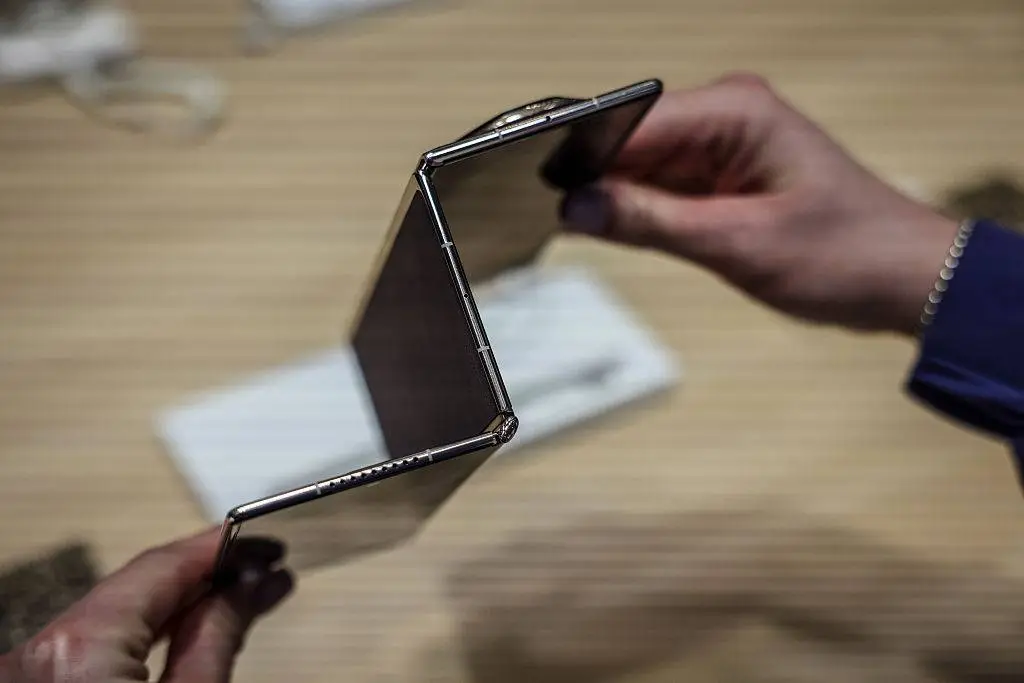
An all-glass iPhone will come with its own problems, but for now, the folding iPhone Ultra faces hurdles of its own. Although some are already complaining about the potential $2,000+ price tag of a folding iPhone, it might be because Apple is trying to offset the undoubtedly increased cost of producing them.
According to Nikolajus Gavrilinas, CEO and co-founder of LITILIT, many of the components used in folding phones and other consumer electronics require extreme precision.
Apple is now facing the challenge of a folding phone being put through hundreds of thousands of folds without cracking, all as devices are supposed to become smaller and more delicate.
Pointing to a previous Apple patent, Gavrilinas noted that the company has been looking at glass as thin as 10-50 microns at the fold, which would have to deal with extreme pressure without cracking or being damaged by heat.
Similarly, the flexible plastic underneath the display has the same problem, needing to be cut to a sharp, non-heat-damaged edge to avoid tearing after numerous folds.
Gavrilinas thinks that manufacturing is being pushed closer to its limits, explaining: "In consumer electronics, even a tiny defect can turn into a crack that makes the whole component unusable. Femtosecond lasers solve these problems by using pulses so short that material evaporates before heat can spread, allowing them to process delicate components close to active circuitry without leaving heat damage or debris that could cause short circuits."
Femtosecond lasers could be the future of folds
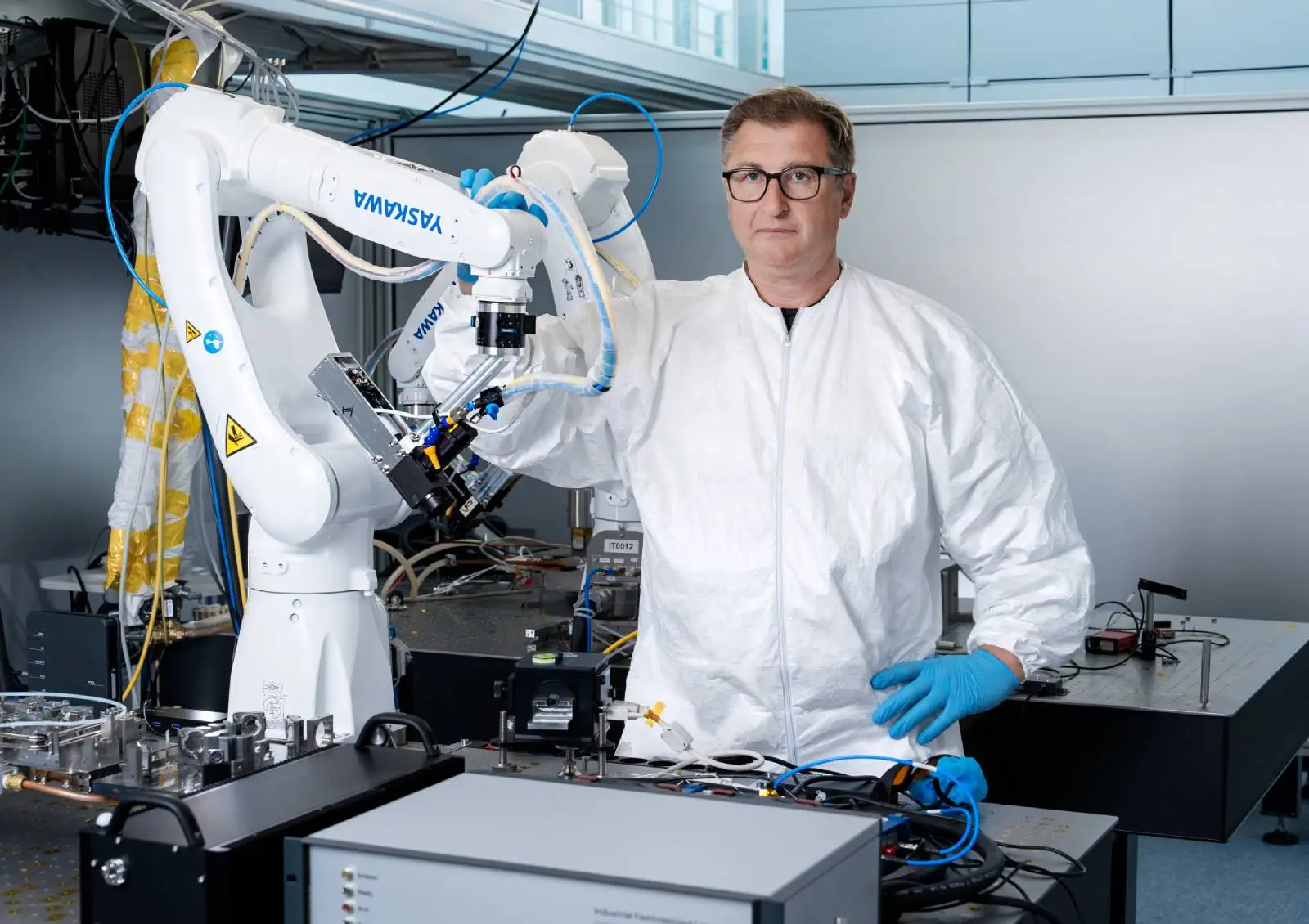
Femtosecond laser pulses are apparently well-suited for manufacturing OLED displays on everything from folding screens to smartwatches. As an OLED panel is made up of stacked components, including organic light-emitting layers, circuitry, and protective layers, even a few microns of heat can ruin the whole thing.
There are further problems because manufacturing femtosecond lasers takes a long time and requires highly skilled specialists.
Reminding us of how the RAMageddon crisis has been kicked off by demand for chips in everything from smartphones to data centers, femtosecond lasers are increasingly in demand in the same fields.
With concerns that supply won't be able to keep up with rising demand, Gavrilinas concluded: "To solve the scalability issue, we built them from the ground up with that in mind. Our lasers have reduced component complexity, modular design, and high-level automation, which results in faster manufacturing as well as easy integration into factories that manufacture parts for consumer electronics."
LITILIT hopes to keep up with this demand thanks to patented inventions from co-founders Kęstutis Regelskis, Nerijus Rusteika, and Gavrilinas, collaborating with the Center for Physical Sciences and Technology (FTMC) in Vilnius.
With Gavrilinas boasting that LITILIT's laser architecture achieves around 20% electrical-to-optical femtosecond efficiency, it also started construction on its own high-capacity femtosecond laser factory in June 2026.
Production is due to start in the next few months, and with LITILIT planning to manufacture around 3,000 femtosecond lasers annually in the next three years, companies like this could soon become a golden goose for the likes of Apple.