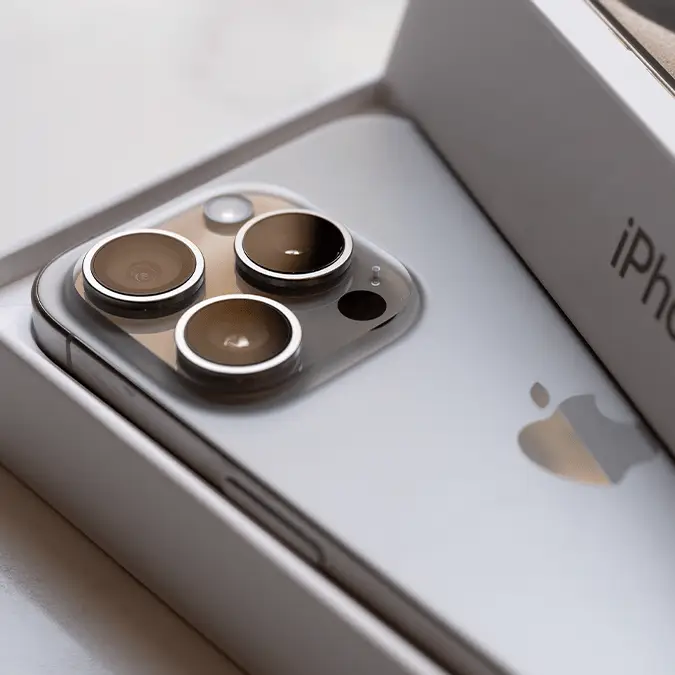
YouTuber reveals what Apple 'secretly' does to your iPhone when you trade it in


Apple's trade-in program is used by over half of all new iPhone buyers from the tech giant's official storefront, but few actually think about what happens to their old device once it's handed over, as one YouTube reveals the complex and often secret process where gadgets are sold on or recycled.
While the iPhone might disappear for you, manifesting itself as a handy and often hefty discount off the price of a new device, your old gadget is often given a new life in the form of a refurbished device on the second hand market — and Apple often aren't the ones handling the process.
As revealed by Apple Explained on YouTube, the process was handed off to Alchemy for years before Apple switched its contract to a new company, Likewize, with reports indicating that roughly 99% of smartphones traded in through this program are refurbished and sold on to new owners.
Apple's trade in program explained
When buying a new iPhone you'll be met with the opportunity to get rid of your old device in exchange for money off the new one, and it's something that seems like a no brained for most customers.
Advert
Based on the typical buying timeline for iPhone owners of roughly one to two years, most customers can get up to $600 off their new gadget , bringing the up-front cost down significantly.
This trade in value does very much depend on the condition the phone you're exchanging is in, but it's an incredibly useful program that roughly 60% of customers on the Apple store take advantage of.
How are iPhones resold after being traded in?
Your traded-in device never actually goes to Apple, as everything is handled wholesale by the third-party company contracted by Apple — although the tech giant still conducts regular audits to ensure that everything is being done properly, especially in relation to any private and personal data that might have remained on the device.
Once your phone makes its way to one of the processing centers now operated by Likewize, your phone is wiped of all its data, reset to factory settings, and then graded — which involves evaluating the physical condition of your device, alongside things like the battery health.
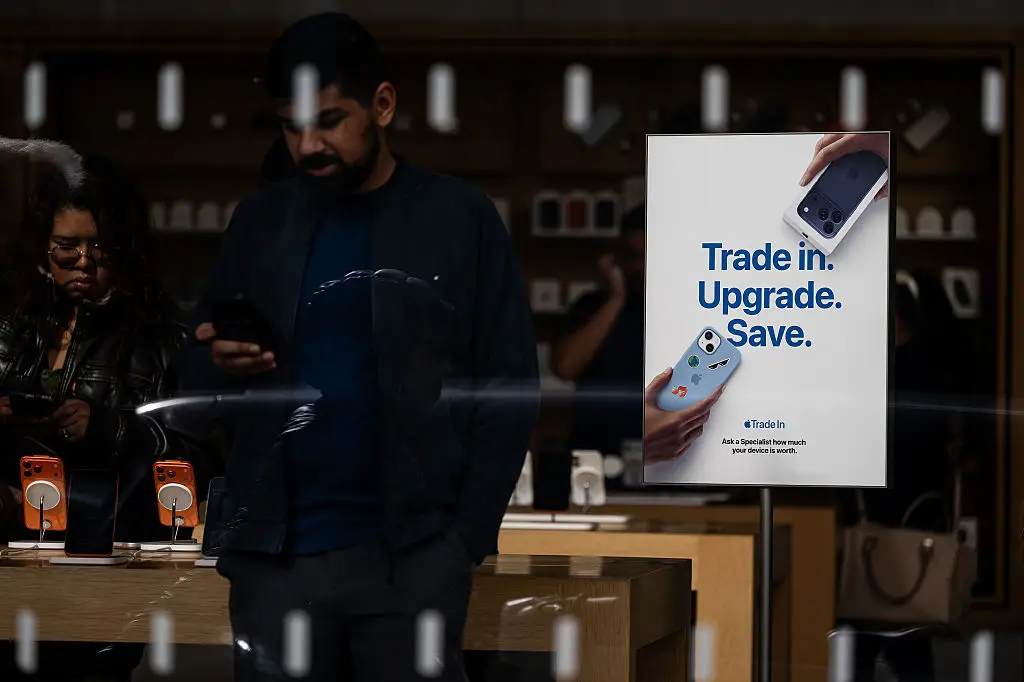
If cheap repairs are possible that will increase the price then these are carried out, but some of the time the devices are sold as is, in part because they likely don't need anything properly done to them in the first place.
These are then placed on the second hand marketplace – including places like Amazon and Walmart – where buyers can get a cheaper phone with the caveat that it has been used before.
If you've used the trade-in program before there's a very good chance that your old phone is out there being used by someone else right now, and you likely hadn't even thought of this being a possibility.
How does Apple recycle old iPhones?
For the roughly 1% of devices that are recycled, however, Apple thankfully has a custom-made disassembly robot that handles everything, making sure to extract effectively every valuable aspect of your device before the rest is discarded as e-waste.
iPhones are only recycled if the devices are either too damaged or not worth enough to sell second hand, but thankfully most find a new home somehow instead of dying on the production line.
The recycling robot in question is called Daisy, and it's capable of automatically recognising 20 different iPhone models and disassembling them in just 18 seconds, making for an incredibly efficient process.
Old recycling processes used to be relatively inefficient in how they sorted and discarded materials, but things like aluminium, steel, and tungsten are now preserved through the new method, making for a much more environmentally friendly procedure.