Apple's most anticipated iPhone to date delayed after facing major issues


Speculation on Apple's coveted 'foldable iPhone' continues, and now fans are concerned launch will be delayed or have limited stock of the brand-new device.
With new iPhone models dropping every year and prices that show no signs of coming down, the pressure to upgrade feels inevitable. Alongside its flagship models, the tech giant also introduced its more budget-friendly range.
Last month, users were treated to the iPhone 17e to mark the tech giant's 50th anniversary. The device was complete with the return of MagSafe and 25W charging that were notably absent from the iPhone 16e.
But while that launch went smoothly enough, things behind the scenes are looking less straightforward for Apple's long-awaited phone.
Advert
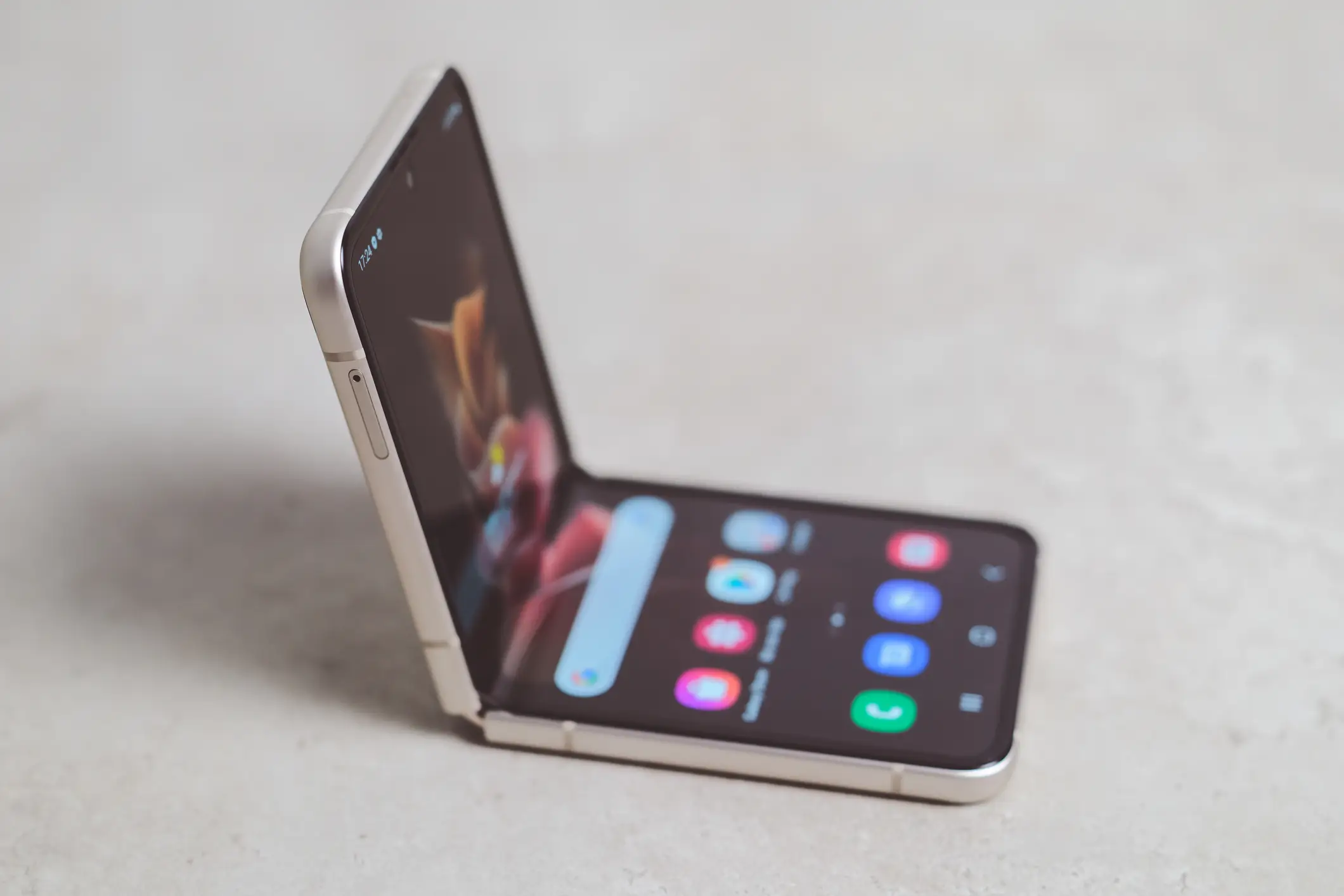
When will Apple's Foldable iPhone be released?
According to Nikkei, Apple's foldable phone has run into 'more issues than expected' during its early test production phase which could delay the first shipments by months.
The report added that 'additional time will be needed to resolve them' and make adjustments.
"The current situation could put the mass production timeline at risk," one of the sources said. "April will mark a crucial stage of the engineering verification test, and this month till early May is extremely critical."
Samsung released its first foldable back in 2019, and the pressure on Apple to deliver its own version has been building ever since. The rumours have been swirling about the foldable iPhone since 2017 with a launch expected later this year.
The plan was then to debut 7 million to 8 million foldable iPhones in autumn 2026 alongside the launch of the iPhone 18, Nikkei shared. However, the device's engineering issues mean that the project 'could slip into 2027 if Apple runs into manufacturing or durability issues, particularly around the hinge or display,' EndGadget reported. Insiders still believe the phone will debut at Apple's flagship event in September 26, but consumers could be waiting till Spring 27 to get their hands on one themselves.
"Apple and the supply chain are working under a pressured timeline and the current solutions are not enough to completely solve the engineering challenge... more time is needed," Nikkei's source added.
The problems reportedly occurred during the fourth of six stages that any new Apple product must pass before reaching consumers. And while the foldable is expected to account for less than 10 percent of overall iPhone production, the ambition is Apple's chance to bring new innovation to its line and potentially attract buyers outside the Apple customer base.
"The supply chain is hoping it performs well in terms of sales, as introducing a completely new design like this requires an overhaul in equipment, materials and components, which would in turn bring higher margins for suppliers," Nikkei concluded.