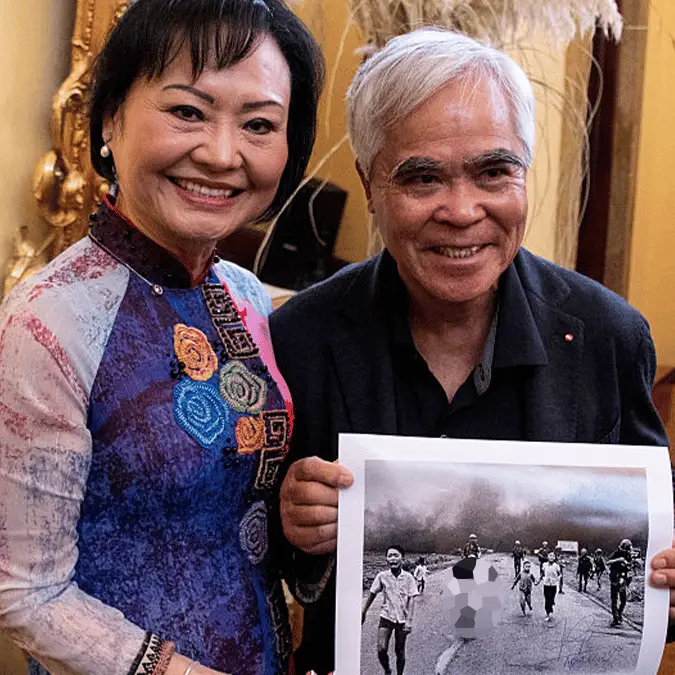
Photographer sues Netflix over iconic image taken 54 years ago

Netflix is once again in hot water, with the streaming giant being accused of defamation over an iconic image that once won the Pulitzer Prize for Spot News Photography.
Alongside harrowing images like "The Burning Monk" and "Saigon Execution", "The Terror of War" has become synonymous with the horrors of the Vietnam War.
Known colloquially as "Napalm Girl", the 1972 image depicts 9-year-old Phan Thi Kim Phuc running toward the camera after a South Vietnamese napalm strike mistakenly hit Trảng Bàng village instead of North Vietnamese troops.
Fans love a good Netflix documentary, but away from the likes of Tiger King and The Perfect Neighbor, The Stringer: The Man Who Took the Photo examines whether "The Terror of War" was incorrectly credited to photographer Nick Ut. A two-year investigation argued that a photo stringer named Nguyen Thanh Nghe took the fabled photograph, but now, Ut has launched legal action.
Advert
As reported by The New York Times, Ut maintains that he was 21 at the time the picture was taken and was employed by The Associated Press. In a court filing, Ut claims that Netflix defamed him in The Stringer and adds: "These accusations strike at the very core of who I am.
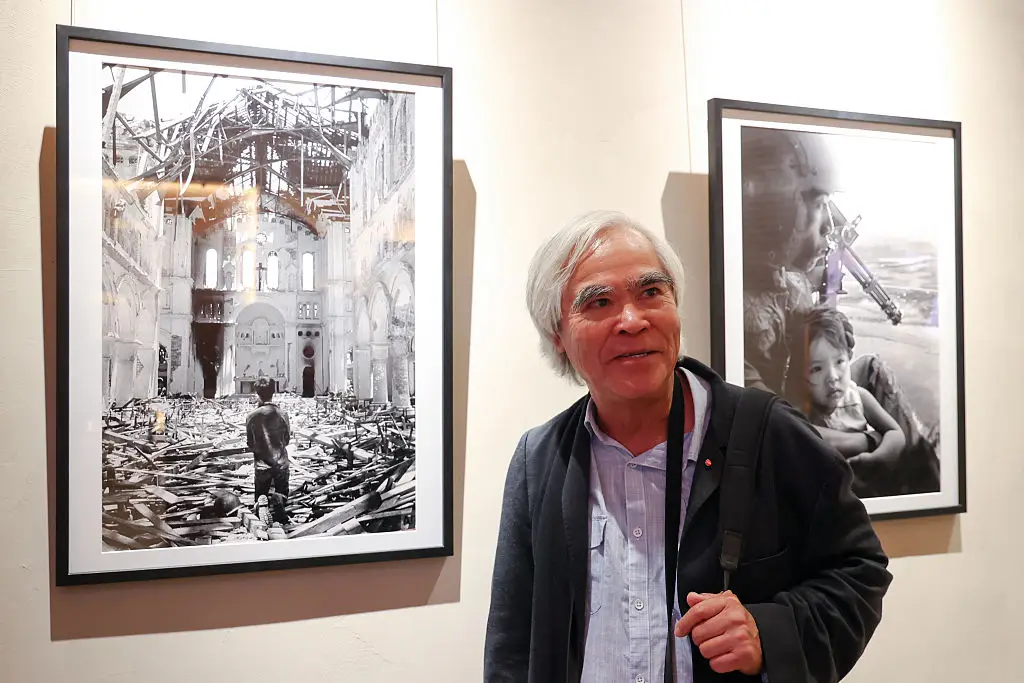
"My entire career has been built on telling the truth, often at great personal risk."
Ut is seeking 100 euros ($116,000) in damages and 20,000 euros ($23,000) in legal costs. This brings the grand total to $139,000.
The situation started when Bao Nguyen's documentary debuted at the Sundance Film Festival in January 2025. It followed Gary Knight's investigation, with the journalist and founder of the VII Foundation examining a claim from former AP photo editor Carl Robinson.
After working in the AP's Saigon bureau in 1972, Robnson claimed AP picture editor Horst Faas told him to misattribute "The Terror of War" to Ut.
Robinson speculated that Faas felt responsible for the death of Ut’s brother, who had been killed while on an assignment the latter sent him on in 1965.
The lawsuit says Ut's lawyers asked Netflix not to distribute the film, with it maintaining that The Stringer's accusations "go far beyond the acceptable scope of journalistic investigation" by suggesting “fraudulent and disloyal behavior” from Ut.
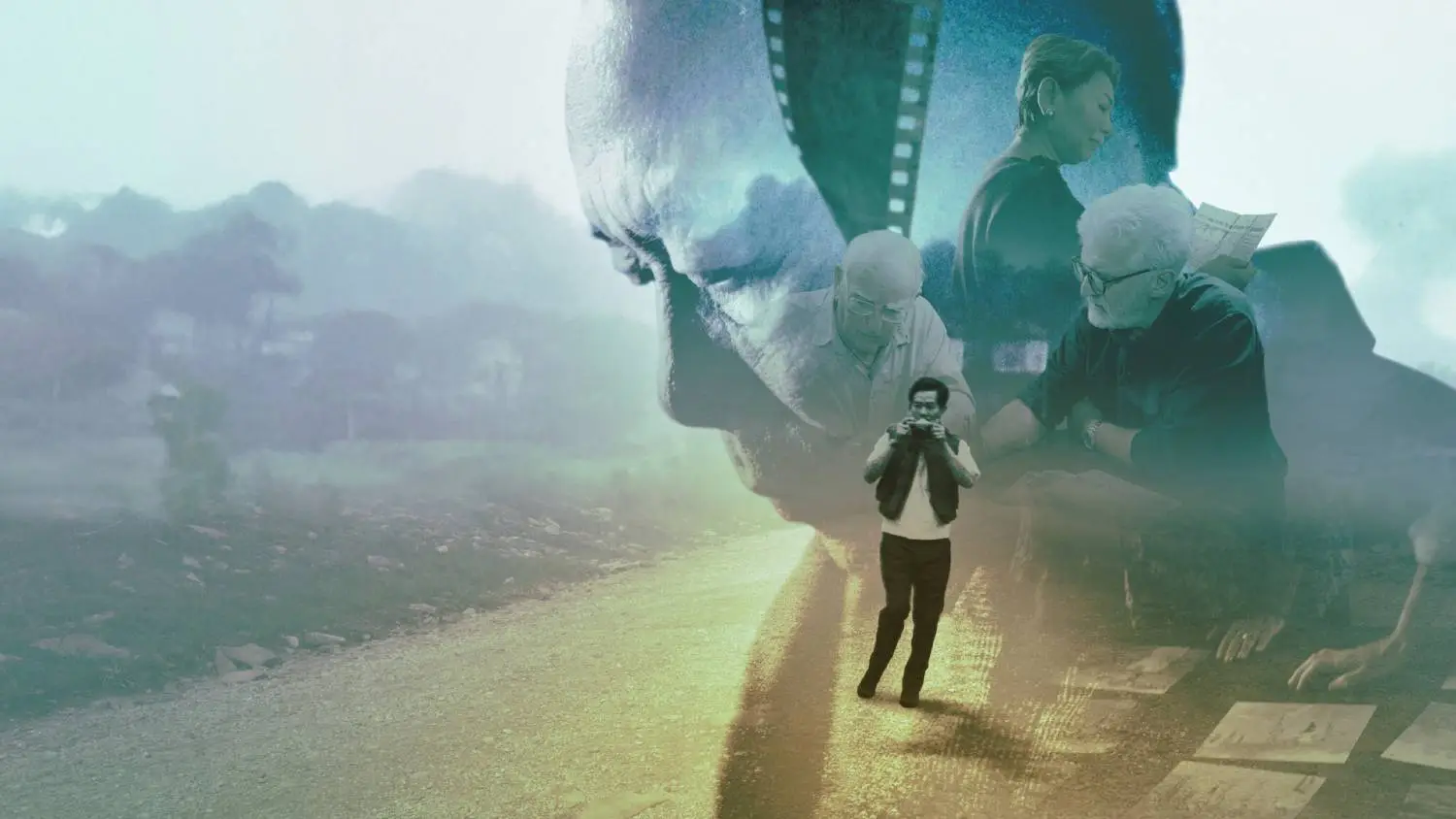
The named defendants include Netflix, Knight, and the VII Foundation, with the case being filed in France. Ut's statement says he's seeking justice in France because he's "surrounded by people who understand my work and my character.”
Still, the NYT notes that defamation works differently in France than it does in the USA. In the United States, a claimant has to prove that a false statement was made with 'actual malice', meaning the bar is considered higher.
James Hornstein is Ut's lawyer, saying that his client has brought the action forward "to defend his reputation, and not for financial gain." It's said that any awarded damages will be donated to charity.
In May 2025, the World Press Photo Foundation's own investigation found that two other photojournalists “may have been better positioned to take the photograph than Nick Ut," and ultimately suspended his credit for the image. It currently reads “authorship disputed" in its online archives.
Following an investigation, the AP vowed to keep crediting "The Terror of War" to Ut. Although it agreed that he was likely in the right position to take the photograph, it couldn't find proof that he had. Similarly, it couldn't prove that other photographers were responsible for the snap of Phan Thi Kim Phuc.
Ultimately, Derl McCrudden, the AP's vice president and head of global news production, concluded: "It’s impossible for anyone to know with certainty how exactly things played out on the road in the space of a few minutes over half a century ago."