YouTuber exposes dark side of Hong Kong's 'coffin homes' in shocking video


In case the name didn't give it away, living in a 'coffin home' isn't exactly booking into Las Vegas' Bellagio Resort & Casino. Still, hundreds of thousands of people live in Hong Kong's coffin homes, as one YouTuber has lifted the lid about what life is really like in these tiny tenements.
Taking off in the 1950s, coffin homes were originally occupied by Chinese migrants who were provided housing by employers. Although things have evolved from the original design of metal bunk beds wrapped in chicken wire, living in one of these coffin homes doesn't exactly scream luxury.
In a new video posted to his YouTube channel, Ruhi Cenet has unearthed the truth behind Hong Kong's coffin homes and spoken to some of those who have no other option but to live here.
Advert
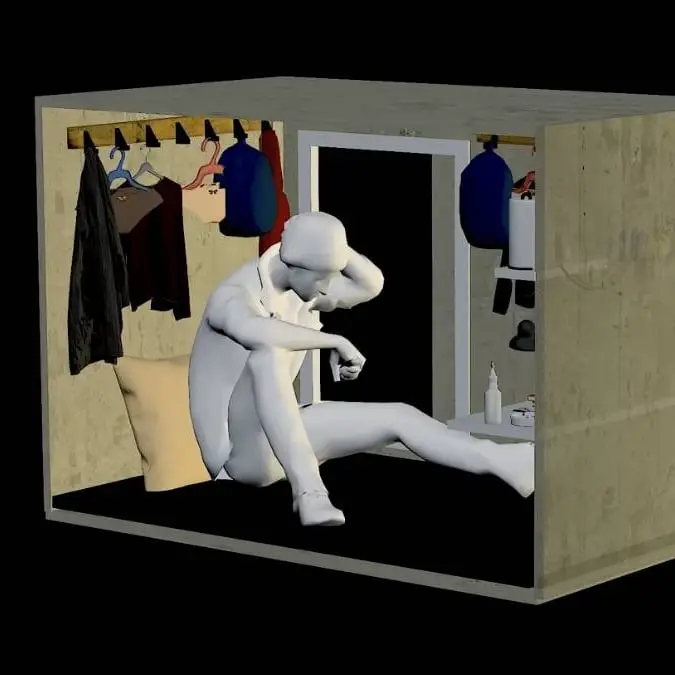
Referring to them as the smallest homes in the world, Cenet says these pint-sized abodes measure just 1.5 m2, and when inside, it's impossible to stand up or even stretch your arms.
Becoming a living room, a kitchen, and a bedroom at the same time, coffin homes are an unexpected way to deal with Hong Kong's unwanted reputation for having the world's most expensive housing market.
Most buildings weren't originally constructed with subdivided apartments in mind, but through illegal renovations, some 200,000 people now live in coffin homes. Speaking to a woman called Coco, who has lived in her coffin home for 16 years, she says she's lucky that she has a window because most of them don't. That has something to do with an 800-square-foot apartment being divided into 30 new spaces.
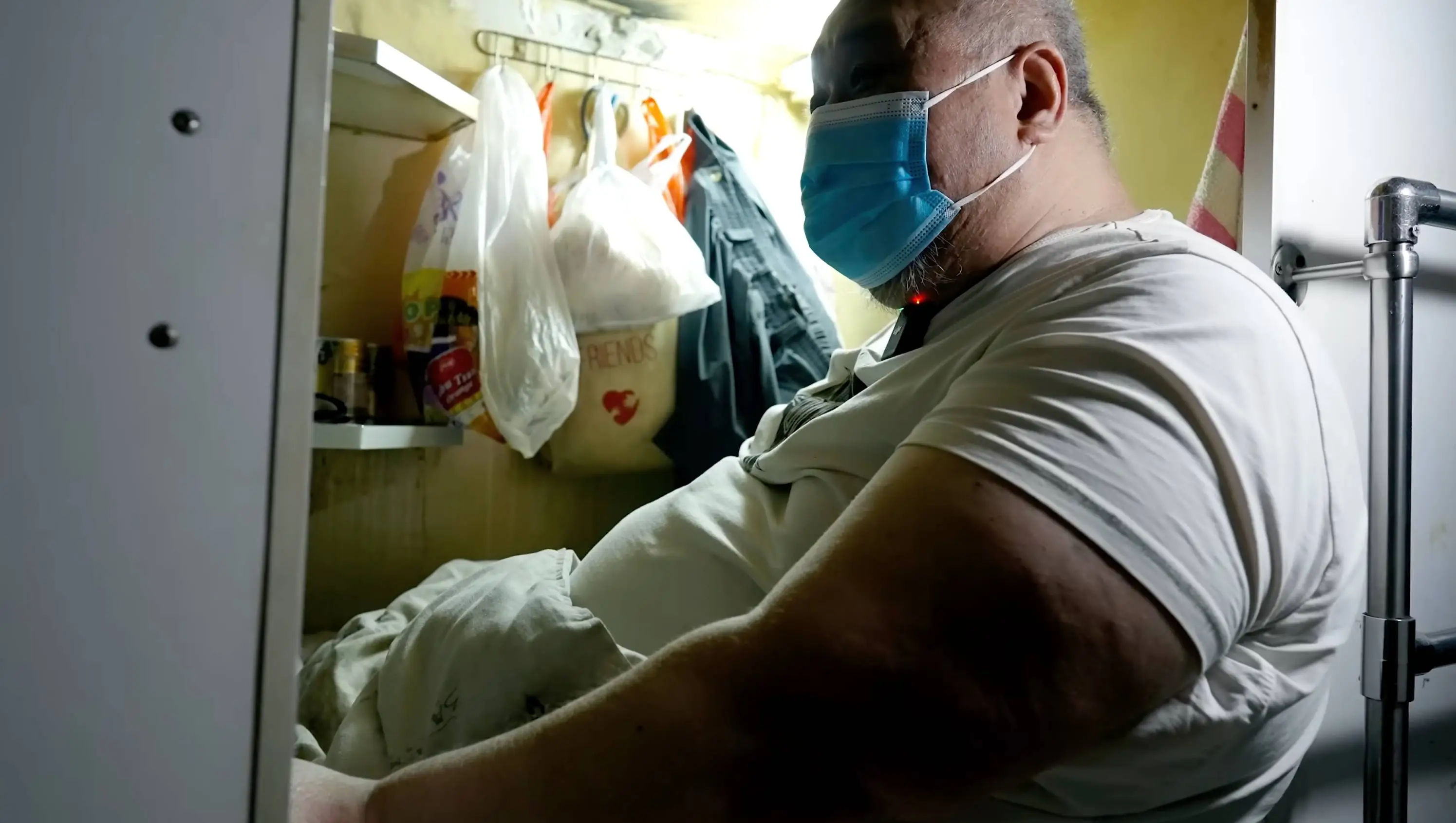
He comes across people packed like sardines, with one couple even sharing this minuscule space that can barely fit a single person. When speaking to the couple, Cenet notes they're covered in bites, with bed bugs being a particular problem in coffin homes. Some even choose to sleep without a mattress to avoid bed bug infestations. Still, this comes at a price, with them paying $320 a month to live in a coffin home. Things are even worse for a man called John, who is too big to fit in his coffin home and has to sit with his shoulder hanging out into the hallway.
Elsewhere, we see that those in some of the smallest units are forced to prepare their food in the 'filthy' bathroom if they can't afford to eat out.
A 2017 article from The Guardian goes a bit deeper into what life is like in these coffin homes, with reporter Benjamin Haas comparing his week in one to seven days in a 'railroad sleeper car'. Back then, he lamented the bed bugs, hearing every noise, and frequently noticing residents using drugs: "I start to dread returning to the claustrophobic space. On my way home at night I duck into a McDonald’s, located in a basement, to cool off and collect my thoughts before going back to the coffin."
If dealing with air that's apparently four times more polluted than outside wasn't enough to contend with, the landlords of coffin homes are said to throw out their tenants at any given moment. Life on the streets is even worse.
Cenet reminds us that a worker on minimum wage wouldhave to save for 1,000 years to afford a three-bedroom apartment in Hong Kong, showing us just how desperate the housing situation is there. If that wasn't enough, the waiting list for government housing with lower rent is said to be as bad as 10 years, meaning coffin houses continue to be popular solutions.