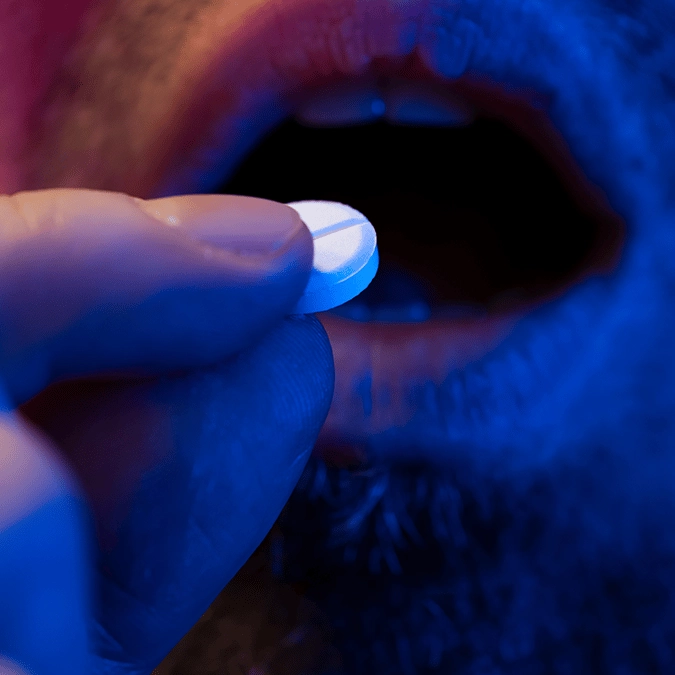
What actually happens to your body on MDMA revealed in astonishing video


MDMA, otherwise known by its far more complex scientific name 3,4-Methylenedioxymethamphetamine, is one of the more commonly used recreational drugs around the world, especially in party or club settings.
It's also commonly referred to as either molly or ecstasy, and its impacts on the user often include the feeling of euphoria, bursts of high energy, and even increased empathy.
The drug – most commonly taken in pill form – is illegal in almost every country across the world, although Australia recently allowed psychiatrists to prescribe it in rare cases of PTSD, mirroring recent conversations surrounding ibogaine which US President Donald Trump has ignited research into.
Advert
It does come with a number of concerning health effects, however, including factors such as higher blood pressure, vomiting, and even dangerous increases in body temperature which is often classified as hyperpyrexia.
The Infographics Show on YouTube has offered a deeper dive into the effects of MDMA on your body, explaining exactly how it interacts with your brain to provide both the highs and lows that you might be aware of.
Upon taking ecstasy you're likely to be met immediately with the feeling of euphoria as mentioned, as if all of the colors and sounds around you have been turned up a notch.
This is directly an impact of the serotonin that suddenly floods to your brain as a result of the MDMA entering your bloodstream, and this dramatically increases your feeling of happiness and your overall wellbeing.
You might even find yourself feeling more confident and open to talking with others, with the drug typically enhancing the feeling of emotional availability among its users.

This, however, is emphasized as merely a temporary switch in your brain that can have notable effects in the short- and long-term for your health and wellbeing.
Adrenaline levels are also increased as a result of the MDMA in your bloodstream, increasing your energy levels and reducing your overall feeling of fatigue — all factors that explain why it has proven to be such a popular drug at music festivals or nightclubs.
It can often be a double-edged sword though, as you become blind to the physical strain that you're putting on your own body, often leading you to damage that you are unable to see coming.
What also contrasts the immense high you feel on the drug is the unease and disconnect during the comedown phase, as you are thrown headfirst into a psychological reversal that's difficult to grapple with.
You might experience mood disturbances and even depressive symptoms in the days following an MDMA high, and this can increase with repeated use as the neurological impacts continue.