Worrying reason parents are being urged to stop posting photos of children with emoji-covered faces


New ways to protect the identity of those you love have emerged as people grow more concerned with their privacy online, yet experts have outlined one common practice that's far more dangerous than you expect, issuing a warning to stay away.
It has become almost second nature for countless people across the world to share their life online, and whether you have millions of followers or none at all, it remains consistent that your images are available to anyone and everyone that has an internet connection.
Understandably this has led many to think more about what – or more commonly, who – they upload to social media, and have even started to implement 'protective' measures to shield the identity of certain loved ones, who often ends up being children.
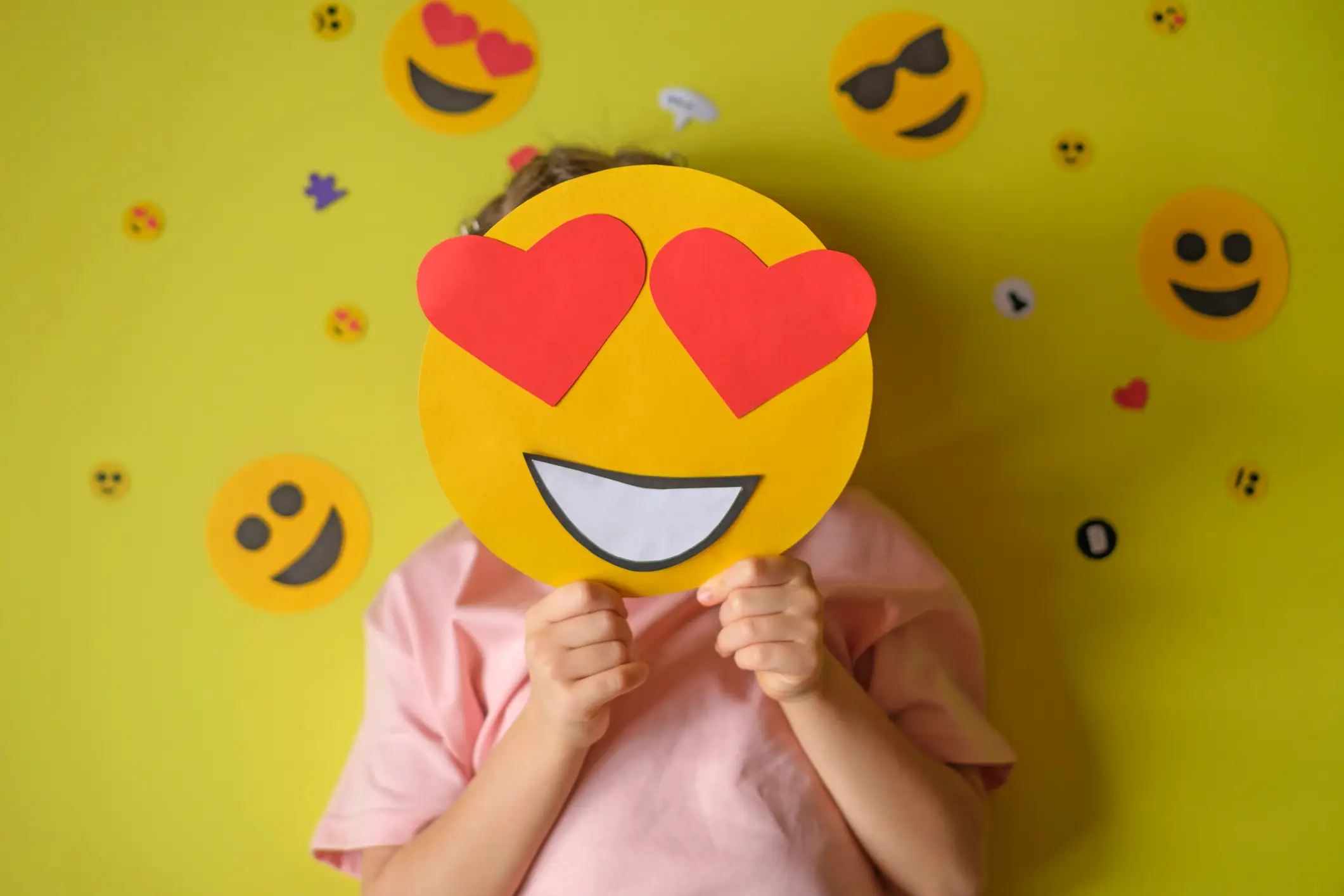
You'll see this especially with celebrities who want to shield their kids from the limelight and protect them from criticism, and one of the most popular methods involves placing an emoji or sticker over their face so that nobody can see.
Advert
As shared by LADbible, one recent instance of this involved Lord of the Rings star Orlando Bloom, who partially covered his son's face with a blue heart sticker when sharing a snap of them on vacation, yet some experts have warned that this isn't anywhere near as effective as you might think.
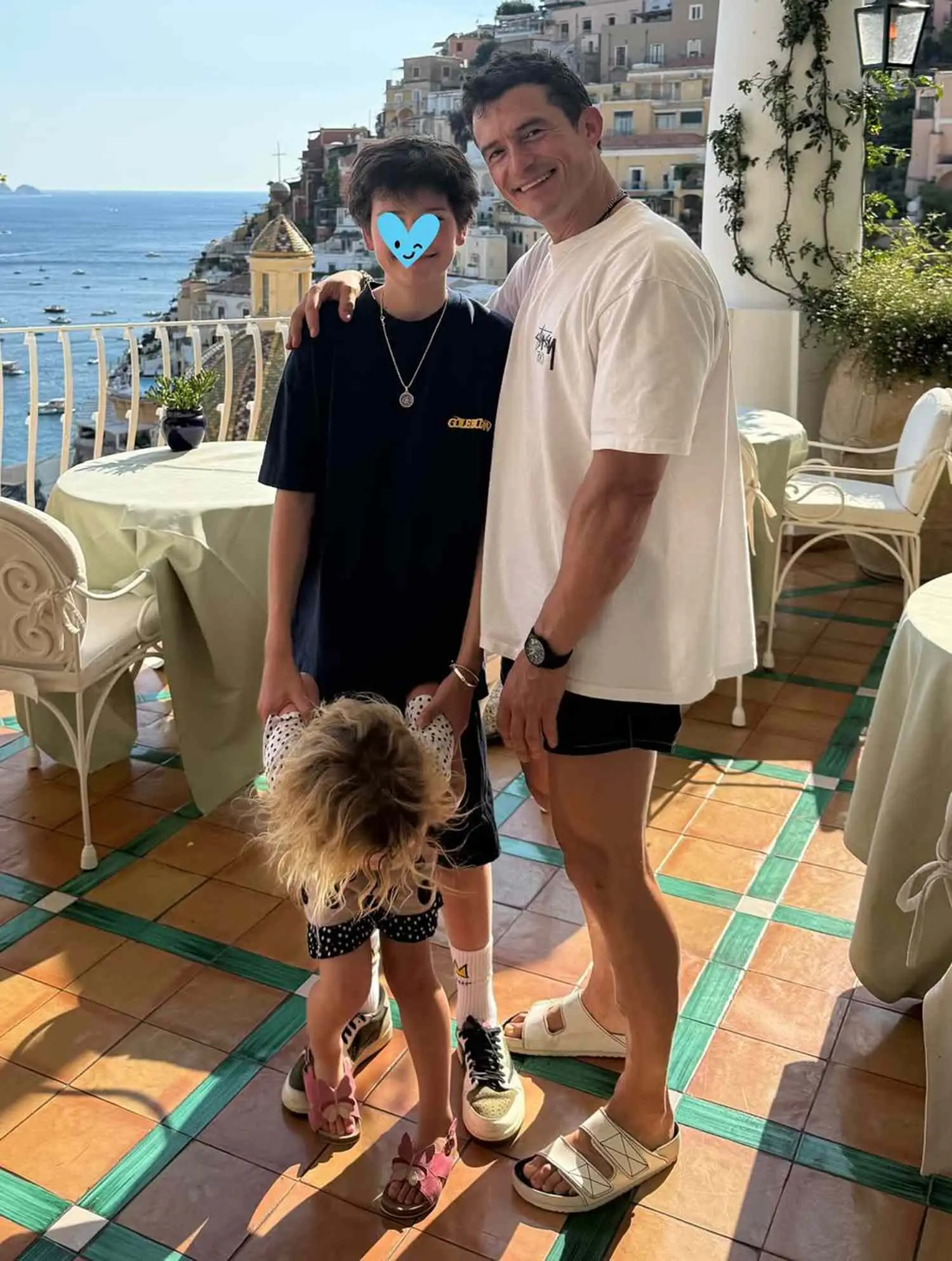
With the rise of artificial intelligence, anyone has more tools than ever before to piece together someone's identity even if it's obscured, and every time you shared an emoji-blocked image if your child you run the risk of 'completing' the puzzle.
Cybersecurity specialist Lisa Ventura outlines this in detail, revealing in an interview with the Independent why you should think twice about sharing photos of your children online, even if you think you're protecting their identity.
"I need to be brutally honest here: putting an emoji over a child's face provides viturally no real privacy protection whatsoever," she unveils. "This approach is more security theatre than actual security."
Ventura continues to add that "most parents aren't just posting one carefully emoji-protected photo. They're sharing multiple images over time, and the combined data from all those posts creates a much bigger privacy concern than any single image.
"Every photo you upload trains facial recognition algorithms and builds advertising profiles," and this can be constructed every time you leave even the smallest fragment of a face uncovered.
It can even go as far to identify the clothes that your child is wearing, the locations that they're in, and countless other features that can help build an image of your child even if you have tried to prevent that from happening.
The dangers of this have never been clearer than right now, as Elon Musk's AI tool Grok recently had to 'apologize' for generating NSFW images of an underage girl, and theoretically the same could happen to your child if you share images of them online.
Ventura's brutal advice is that you should never share photos online that you wouldn't be comfortable handing out to a random person, as wild as that sounds.
"If you wouldn't hand a physical copy of that photo to a complete stranger on the street, don't post it online," she urges, "because that's essentially what you're doing, except that stranger might be able to keep it forever, or worse, use it in unauthorized ways you did not intend."