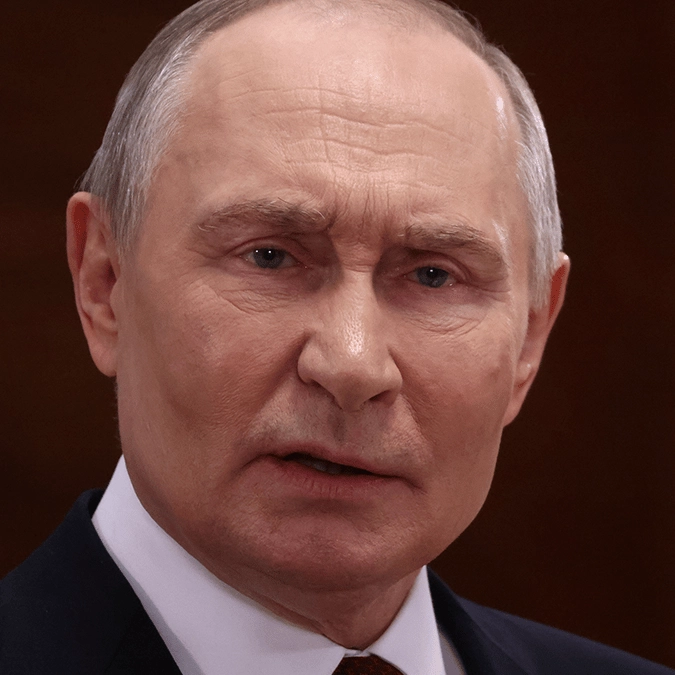
Russia threatens to cut off 97,000,000 users from WhatsApp as Putin issues ultimatum


Russia is known as one of the most controlled countries in the world when it comes to accessing social media. Everything from Facebook to X is banned without the use of a virtual private network (VPN), while there have been recent assaults that have slowed access to YouTube, targeted VPNs, and restricted features on WhatsApp.
While not quite as draconian as North Korea's smartphone restrictions, things have been getting tighter since the Federal Service for Supervision of Communications, Information Technology and Mass Media (Roskomnadzor) established the so-called internet blacklist back in 2008.
Since Russia's invasion of Ukraine, the former is accused of mirroring China's Great Firewall with its own IT Iron Curtain. Roskomnadzor has been clamping down after it started installing equipment to isolate Russia from the rest of the internet in 2019, while a 2022 ban saw Facebook, Instagram, and X booted out of the country. WhatsApp is allowed, although with major restrictions on video calls after the state communications watchdog alleged it was being used for criminal activities, and Meta refused to comply with Russian laws.
Advert
According to the Interfax News Agency (via The Independent), WhatsApp has ground to a snail's pace, with first deputy head of the State Duma's Information Policy Committee Anton Gorelkin
blaming a recent leak of diplomatic talks. Calling WhatsApp to task, there have been further threats of a total block from Roskomnadzor.
On November 28, it said it's been imposing further restrictions ahead of a potential block: "WhatsApp continues violating Russian legislation. The messenger is being used for organizing and carrying out terrorist actions on the territory of the country, for recruiting their perpetrators, for fraud and other crimes against our citizens."
Maintaining that Meta isn't doing enough to stop the spread of crime, the watchdog continued: "WhatsApp is not observing requirements aimed at preventing and stopping the commission of crimes on the territory of Russia.
It said this is why Roskomnadzor "is consistently imposing restrictions against WhatsApp."
This is part of a plan to move to other messaging services like the state-backed MAX. Roskomnadzor added: "We recommend that users switch to national services.
"Restrictions will continue to be imposed against WhatsApp.
"If the requirements of Russian legislation are not observed by the messenger, it will be fully blocked."
It comes as President Vladimir Putin has vowed that Russia is 'ready for war' if Europe 'wants it'.
The long-standing Russian ruler accused European powers of hindering President Donald Trump's efforts of trying to broker a peace deal, claiming that they're making demands he finds 'absolutely unacceptable' in an attempt to stall.
On the other side, Ukraine’s Volodymyr Zelensky said that his country has agreed on a reworked 20-point peace deal.
In terms of Russia's restrictions on communications, interference with mobile phones is said to be an attempt to thwart Ukrainian drone attacks.
Public transport, ATMs, and more have been affected, while activist group Na Svyazi reported that an average of 57 Russian regions recorded cellphone disruption in November 2025.
These actions have been defended by Kremlin spokesperson Dmitry Peskov, who branded them “absolutely justified and necessary."
Still, critics have said these blackouts aren't having the desired effect, as analyst Kateryna Stepanenko from the Washington-based Institute for the Study of War says they haven't been able to stop Ukraine's drone attacks, “given the amount of strikes we’ve seen in recent months on Russian oil refineries”.