What families should know before sharing photos of vulnerable relatives online after Tallulah Willis’ apology

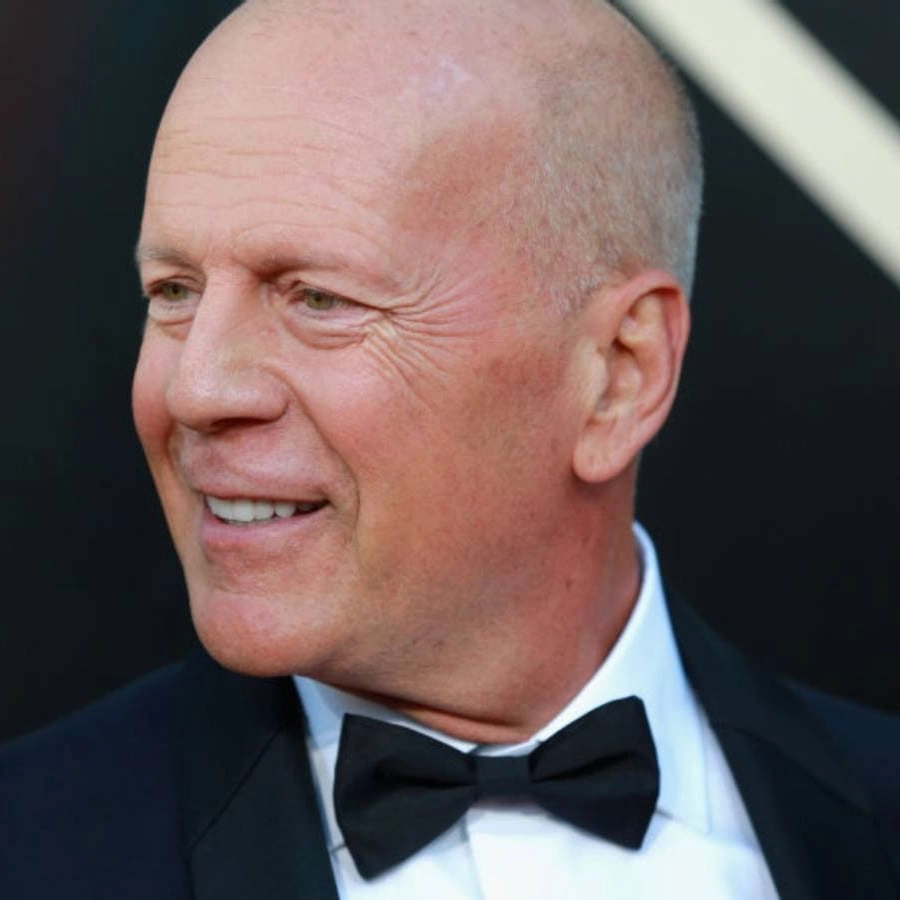
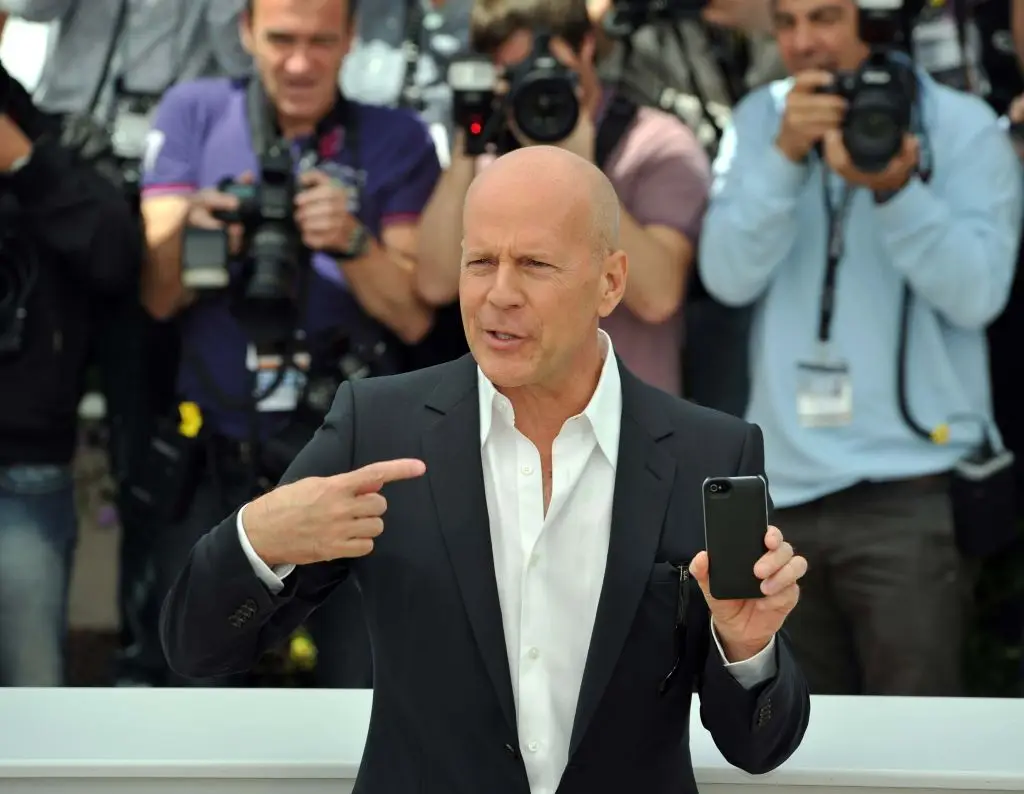
Bruce Willis' daughter has apologized after she shared a picture of her father amid his dementia diagnosis. Known for everything from Pulp Fiction to the Die Hard movies, Bruce Willis is still considered one of Hollywood's most bankable stars. Sadly, he's since retired from acting following a March 2022 aphasia diagnosis that affects his speech and language.
This was followed by his family confirming in February 2023 that it had progressed to frontotemporal dementia (FTD), with the 71-year-old now being cared for full-time in a separate one-story home.
While Willis keeps a low profile, there are occasional updates from his children, Emma Heming Willis, and his ex-wife, Demi Moore.
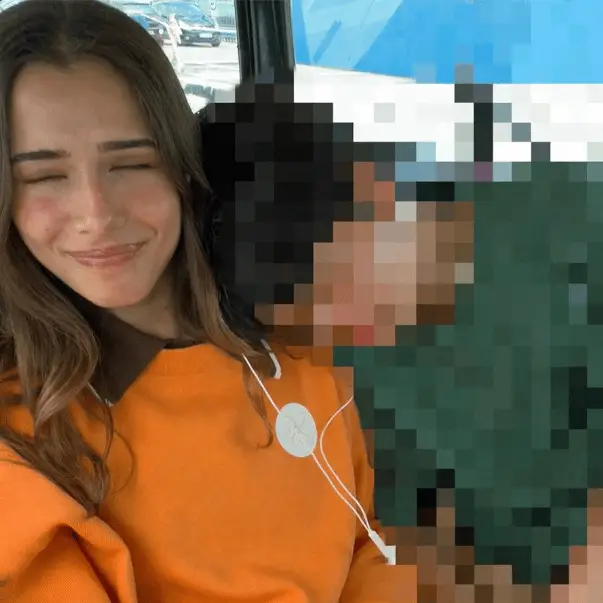
Tallulah Willis has apologized for sharing a father-daughter photo on November 21, acknowledging it was "possibly too intimate".
Advert
The original image featured Willis' youngest daughter holding hands with her father and wrapping her arms around him, sitting on an outdoor swing, and using a sunglasses emoji alongside the 'cool' button.
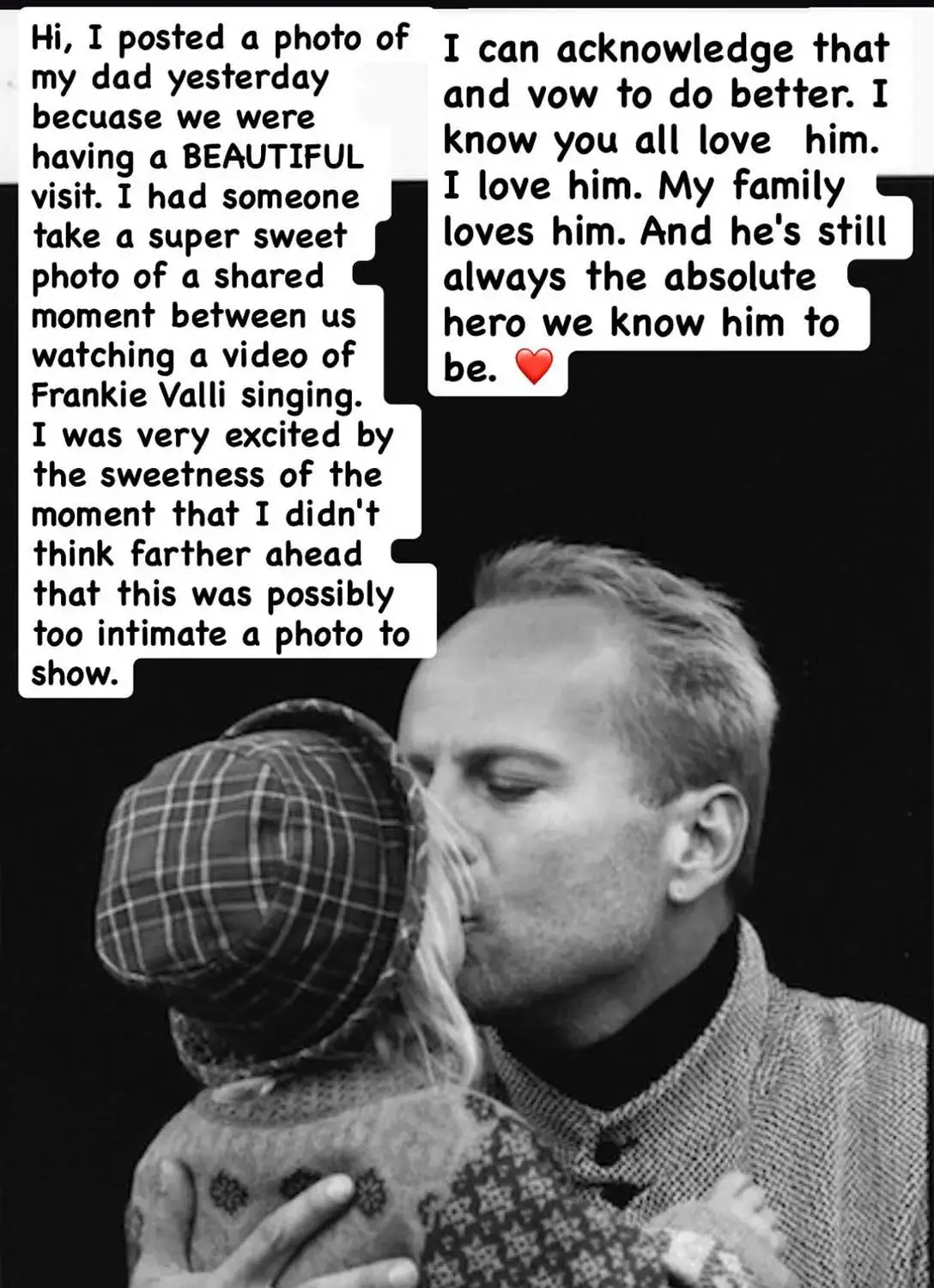
She's since shared a black-and-white throwback image with a message over the top saying she can 'do better'. The 32-year-old actor explained how the pair had been having a beautiful visit, adding: "I had someone take a super sweet photo of a shared moment between us watching a video of Frankie Valli singing.
"I was very excited by the sweetness of the moment that I didn’t think farther ahead that this was possibly too intimate a photo to show."
Willis concluded: "I can acknowledge that and vow to do better. I know you all love him. I love him. My family loves him. And he’s still always the absolute hero we know him to be."
While many in the comments thanked her for her honesty and respect for the father, there are questions about what's deemed appropriate for social media.
What are the rules for posting about vulnerable people on social media?
The implication is that Willis' FTD would make it difficult for him to provide consent for images like the one Talluah shared to be posted on social media. When it comes to Instagram, the platform falls under Meta's own privacy rules.
Meta reiterates that the personal information you choose to share online "can become part of your online identity and reputation," meaning it's important to think about what you share. That's more complicated in cases like Bruce Willis', although Meta adds: "It is also important to think about other people’s privacy and how you interact with others through online communities. Privacy is personal and can vary depending on individual preferences and cultural norms."
Meta notes there are broad community guidelines, reminding us not to post content materials that could make us personally identifiable, such as paperwork containing addresses or email addresses, passwords, and PIN codes, etc.
There's a specific mention that content could be removed if it's reported. Content can be removed if the person depicted is a minor (with various conditions), as well as "any person who is incapacitated and unable to report the content on their own."
It should be noted that removal isn't automatic and it has to be reported by someone, while medical settings have different protections. Finally, you need to be aware that a diagnosis alone doesn't establish incapacity or likely stand as proof that someone couldn't agree to a photo being shared.
Advice for dealing with FTD and social media
UNILADTech spoke to Dr. Monica Berntsen, a UK-based consultant psychologist and neuropsychologist who explained how we need to deal with social media and those suffering from dementia.
As Berntsen reminds us, frontotemporal dementia often affects parts of the brain that handle judgement, insight, and how we come across to others.
A good test on whether you share something is: "Would they have been happy with this photo before they were ill?"
According to Berntsen, "Moments of warmth and connection usually pass that test. Pictures of confusion or distress usually don’t."
Remember that the internet doesn’t forget, so you need to consider how it might feel to someone and their relatives years down the line.
She continued: "The person with FTD has the same right to dignity and privacy as anyone else, even if they can’t say so anymore. Kind posts can do real good, though.
“FTD often starts with changes in personality and behaviour rather than memory, and often in people still in midlife, so honest posts help others recognise it and feel less alone."
As for posts like Tallulah Willis', Berntsen says that families might share posts because caring is lonely and it's a way of saying, "This is hard, please see us”.
While she refers to this as a very human response, she concludes that strangers’ comments can sting, meaning you might want to keep posts private to friends and family, or turn comments off.
Importantly, being a family member doesn't automatically give legal authority to make decisions about posting someone online, and even though a legally appointed guardian or someone with an appropriate power of attorney might have authority, it depends on the documentation and state law.
Even then, you should consider someone's own wishes and their dignity.
Tallulah Willis has clearly done this with her father, and online, many applauded her for her follow-up post and defended her original one for sharing a loving moment with Bruce Willis.