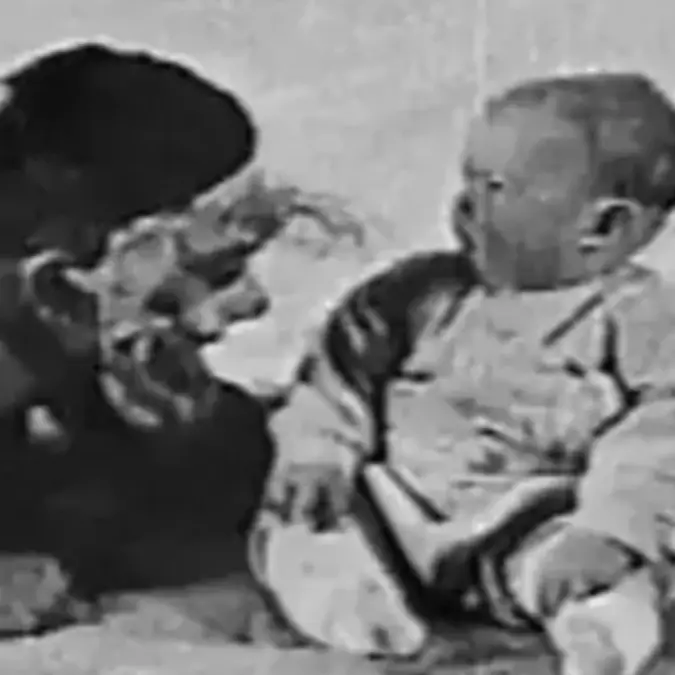
'Most unethical experiment of all time' left a 9-month old baby completely terrified


Throughout history, researchers have conducted bizarre experiments in the pursuit of scientific knowledge, though some are more questionable than others. And one that's considered one of the most unethical in our history, is that of Little Albert.
We've seen everything from couples having sex inside MRI machines to women giving birth while being scanned, all in the name of advancing our understanding of human biology. These might seem strange, but they're nothing compared to some of the darker chapters in experimental psychology.
Unfortunately, there have been numerous studies that crossed serious ethical boundaries, potentially leaving participants with lasting psychological damage.
However, some experiments leave participants with lasting effects which questions their ethicality. The infamous 'Little Albert experiment' in the 1920s remains one of psychology's most controversial studies.
Advert
The study was inspired by Ivan Pavlov's famous conditioning experiments with dogs, where he trained the animals to salivate at the sound of a bell they'd learned to associate with food.
US psychologist John B. Watson and graduate student Rosalie Rayner set out to see if they could condition a nine-month-old baby called Albert to become scared of certain animals and objects. The scientists showed Albert various things like a rabbit, monkey, a white rat and burning newspapers to observe his reactions.
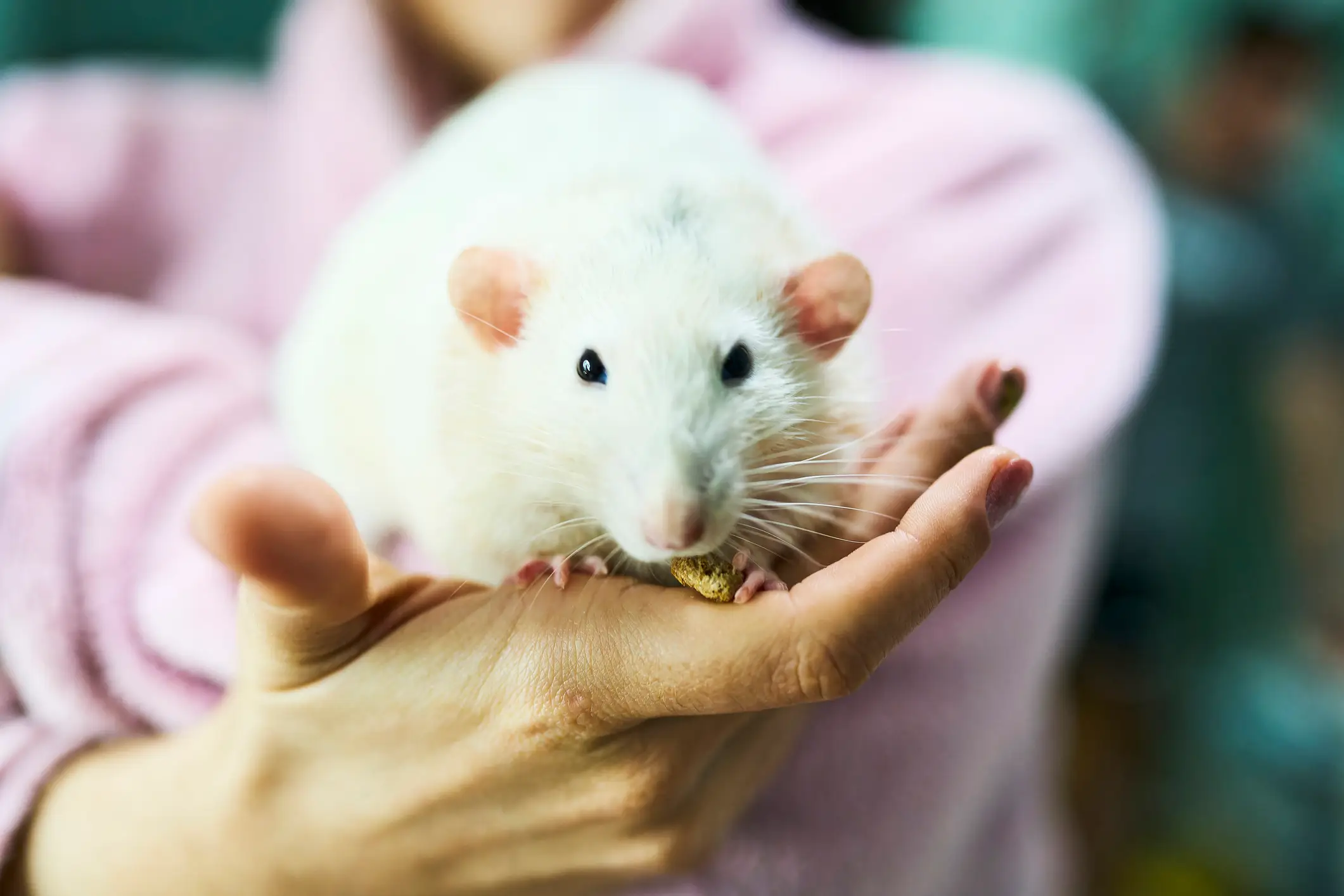
When they showed the baby the white rat, the researchers would simultaneously create a loud, startling noise to frighten the infant. Their goal was to see if they could train him to associate the sight of the rat with fear.
According to Simply Psychology, during the first session with Albert, they successfully made the baby cry using the terrifyingly loud sound. In follow-up sessions, they continued pairing the noise with the appearance of the white rat.
During the second session, the team recorded that the combination of noise and rat produced a 'startle/whimper,' while the third session showed that the rat alone was enough to 'elicit mild fear'.
The nine-month-old was then subjected to five more instances of the scary noise and the rat. When it came to just showing Albert the rat, his reaction was one of 'strong fear'.
A few days later, they began testing whether Albert's newfound fear would extend to other objects, including a barking dog. Then, a month later, the researchers returned for a final session, where Albert remained frightened of the objects they'd conditioned him to fear.
However, instead of crying, the baby was seen 'shuddering' and 'thumb-sucking' to comfort himself.
Perhaps most troublingly, Albert's mother removed him from the hospital shortly after the experiments concluded. This meant there were no 'deconditioning' sessions to reverse the fear responses the scientists deliberately created.
Over the years, both the study's findings and methodology have faced major scrutiny, particularly because a nine-month-old infant cannot provide informed consent to experimentation.
The identity and fate of Little Albert have remained a mystery for years, with modern researchers identifying two possible candidates.
Hall Beck from Appalachian State University believed the child was Douglas Merritte, the son of a wet nurse who worked at Johns Hopkins University Hospital, where the experiments took place. The boy sadly died at the age of six after suffering from hydrocephalus (water on the brain), which caused periods of blindness throughout his short life.
However, Russ Powell from MacEwan University in Alberta argued that Little Albert was actually William Albert Barger, who lived a full life until his death in 2007.
While his niece didn't know if her uncle was the child from the experiment, she revealed that he had an aversion to animals.