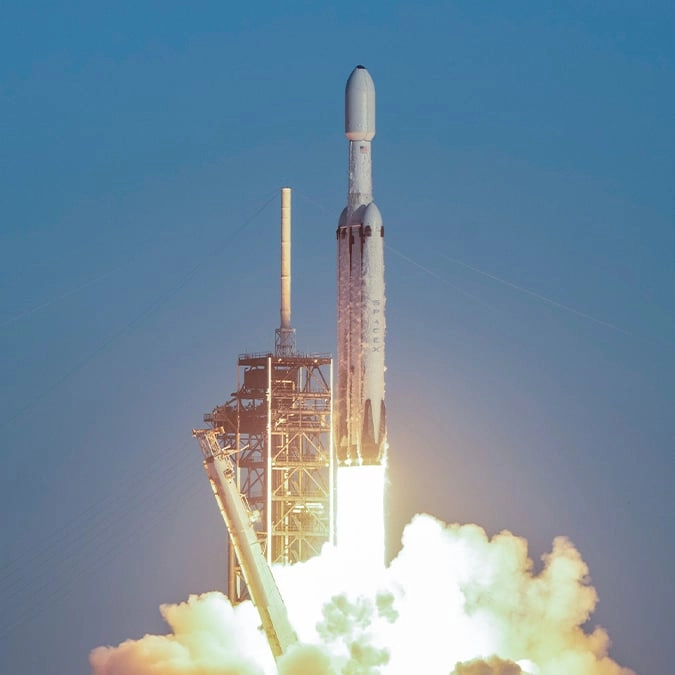
SpaceX issues sonic boom warning for California as incoming weather risks worsening shockwave


A public warning over a potential sonic boom from SpaceX has been issued as incoming adverse weather could make the shockwave worse.
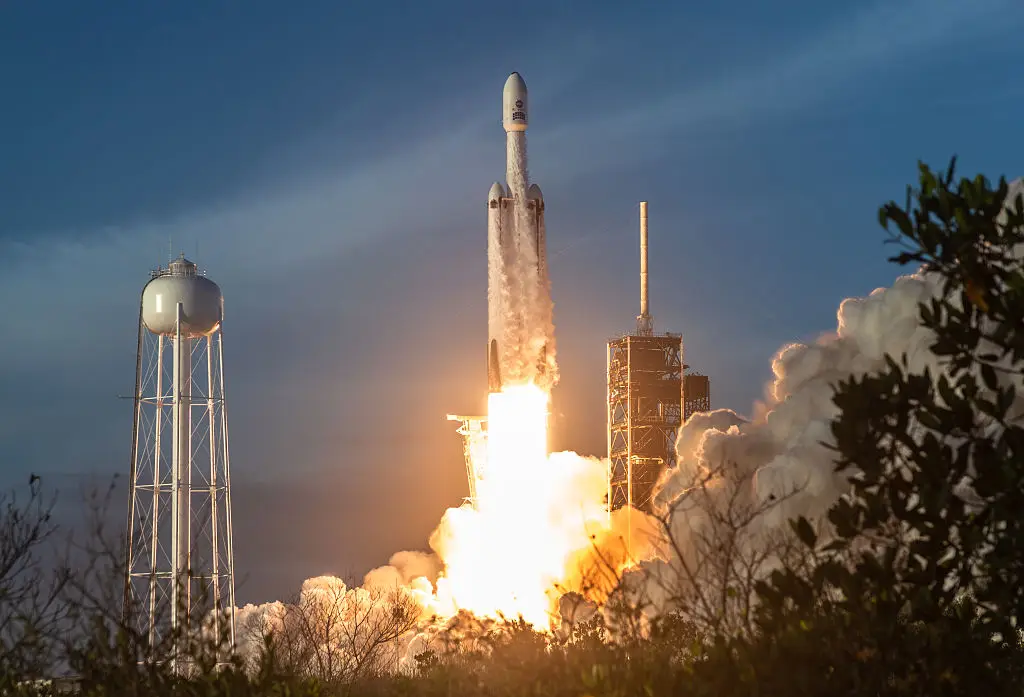
This comes as California residents are set to be subject to another sonic boom from Elon Musk’s firm SpaceX as the company prepares for another launch of its Falcon 9 rocket on Sunday (September 6).
This mission will launch 27 Starlink satellites to low-Earth orbit from Space Launch Complex 4 East (SLC-4E) at Vandenberg Space Force Base in California.
According to SpaceX, this will mark the 19th flight for the first stage booster, which previously launched NROL-126, Transporter-12, SPHEREx, NROL-57, USSF-366, and 13 Starlink missions.
Advert
Following stage separation, the first stage ‘will land on the Of Course I Still Love You droneship, which will be stationed in the Pacific Ocean’.
However, the space company has highlighted that residents of Santa Barbara, San Luis Obispo, and Ventura counties could be subject to one or more sonic booms during the launch, which will vary depending on weather conditions.
Now, with poor weather forecasted for the Santa Barbara area around the time of the launch window, concerns are growing about how this could impact the local community.
How does bad weather impact sonic booms?
NASA has conducted previous research into the effects of sonic booms, with Brett Pauer, SonicBAT project manager, saying: “Statistically you need more than just a few sonic boom recordings, you really need to capture data in varying weather conditions across a large array to conduct a full analysis on how sonic booms are affected by turbulence.
“We need to be able to incorporate any loudness changes due to turbulence into future supersonic aircraft designs.”
According to a study published in the Journal of Meteorology and Climatology, winds and atmospheric turbulence can break smooth shockwaves into irregular and ‘spiked’ signatures, causing sharp and unpredictable variations in the noise level heard on the ground.
Moisture in the air can also change atmospheric acoustic properties, potentially making sonic booms louder and more intense.
NASA explained: “Sonic booms have been a problem since aircraft first began exceeding the speed of sound, or Mach 1, so disturbing to people below that for decades U.S. and international regulations banned commercial supersonic flight over land.
“Overcoming this disturbance is one reason why NASA has conducted extensive research into how sonic booms form, how they travel through the atmosphere, and how to reduce their noise.”
A livestream of the event can be viewed from the official SpaceX account on the day, which will be posted on X, formerly Twitter.