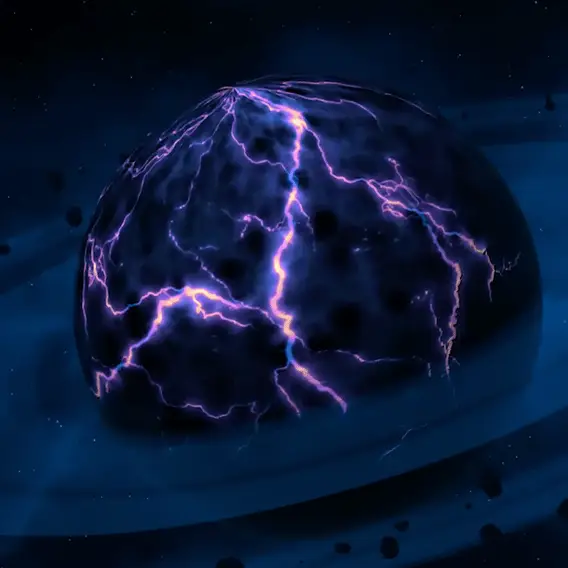
Video showing the most horrifying planets ever discovered leaves viewers with ‘existential dread’


Prepare to feel unnerved and a little terrified as we dive into some of the most horrifying planets ever discovered.
That's the subject of a fascinating YouTube video from Space Matters, and the planets explored are truly bone-chilling.
The narrator cheerily introduces the video with the assertion that you'd pretty much be mad not to be scared of what's out there in the universe, what with the "endless empty space terrifying black holes able to practically erase matter and trillions of strange worlds, exoplanets that are so distant and mysterious that they seem unattainable", before introducing a collection of planets with conditions that resemble "real hell".
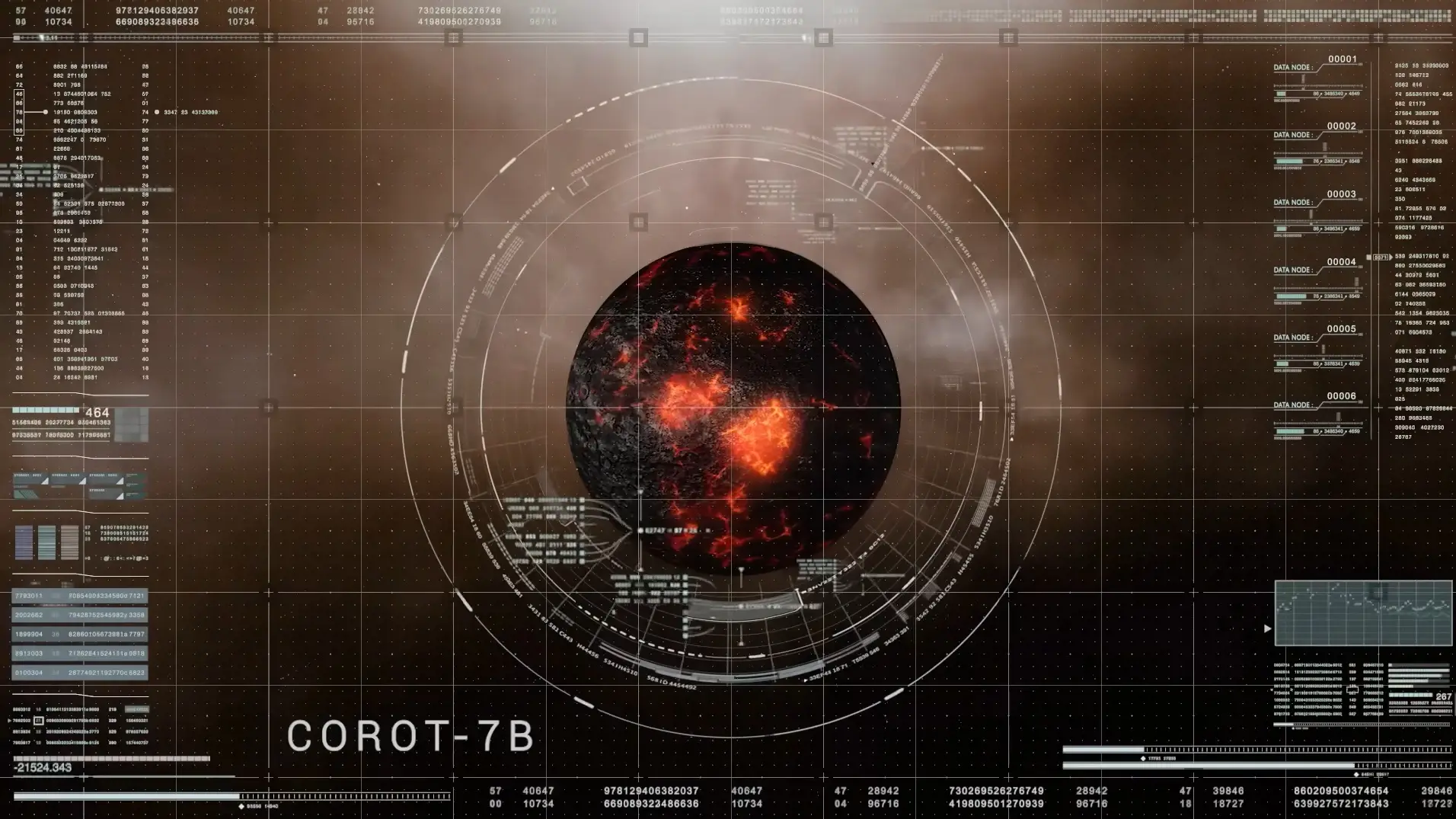
One of these planets is CoRoT-7b, which we're told you'll only survive if you have an umbrella made of titanium.
That's because the temperature on the sunny side of the planet is a whopping 4700°F (2600°C) - hot enough to melt and vaporize rocks on the surface, which then rise into the air, turn into fine gravel, and rain back down.
Advert
That's right, if you were ever unlucky enough to visit CoRoT-7b, you'd be showered with small rock fragments - and there could even be an ocean of lava to greet you. When its sun rises, you'd apparently be turned straight to ash, as it's 60 times closer to its star than we are to sun.
And that's the sunny side - the other side of the planet is a chilly -390°F (-235°C) - which although miserable, sounds a lot better than rock rain.
The narrator warns that CoRoT-7b is "relatively close by" - but don't worry too much, because it's still 489 light years from us.
As you can probably imagine, scientists suggest there is 0% probability of life on this delightful-sounding planet.
But that's not the only horrifying planet out there - the catchily named PSO J318.5-22 is another covered in the video.
This is a "rogue planet", meaning it doesn't rotate around a sun, but rather ominously travels around space on its own.
So what can you expect from this, dubbed one of the "loneliest" planets out there?
Well, it does a complete turn every five hours, its temperature is predicted to be a balmy 1470°F (799°C), and molten rain is possible.
So far, so hideous - but that's not all. Scientists apparently predict this planet - which is around 12 million years old - could be the host of dust storms "several times the speed of sound".
As you can probably imagine, these horrifying-sounding planets have got people racing to the comment section.
"Man, as a kid, space was the coolest thing, now it’s the most terrifying," one person noted, while another said: "These kind of space videos give me massive cases of existential dread, but is still so fascinating that I can’t stop watching them. We’re so small in the big picture."
One YouTube commenter wrote: "Thinking about the vastness of what is out there triggers something primal in me," and many had the same idea about extraterrestrials: "So we can determine that rocks rain on a planet 489 light years away, but we can't find any signs of intelligent life?"
Earth has it's problems - but after watching this video, we're happy to stay put.