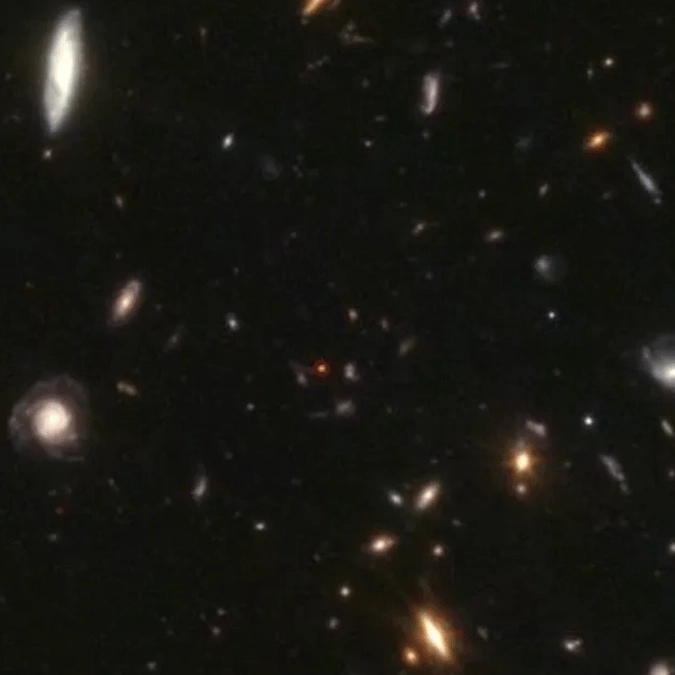
Scientists finally uncover what little red dots scattered throughout the universe actually are


NASA's James Webb Space Telescope is able to see a whole collection of mind-blowing things in space, but one detail that's left researchers guessing for years has only just been explained.
It became an immediate concern after NASA's James Webb telescope was turned on, as researchers noticed an alarming number of red dots present in the images with no explanation for why they were there.
You never quite know how certain forms of technology will work when operating outside of Earth's atmosphere, and that's especially the case when it comes to telescopes and photography due to the nature of light and the radiation present in space.
It's only now that researchers believe that they've finally figured out what the red dots actually mean though, and it's bigger and potentially more important than previously thought.
Advert
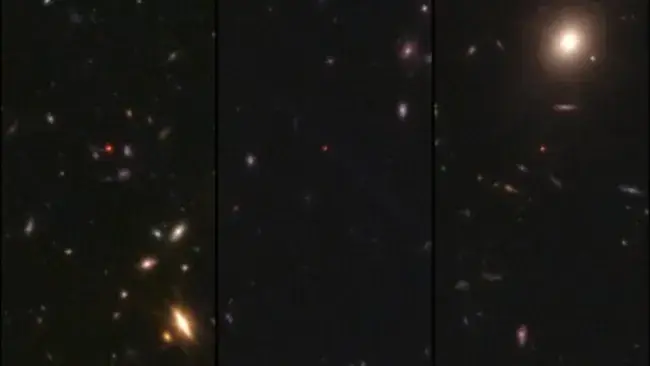
As reported by the Independent, scientists have revealed that these red dots actually come from the beginning of the universe – albeit when it was 'only' a few hundred million years old – but they had disappeared around a billion years later.
Appearing in the images produced by the space telescope, it's believed that they're now cocoons of ionised gas taking the form of young black holes, and hiding behind them is likely some of the biggest dangers and violence forces present across the universe.
These tiny black holes are likely among the smallest ever recorded, yet they still possess a mass that's around ten times larger than that of the Sun, indicating that they're far more dangerous than their size makes out.
Darach Watson, a lead on the research that discovered the truth behind these red dots, revealed that they're "enshrouded in a cocoon of gas, which they are consuming in order to grow larger.
"This process generates enormous heat, which shines through the cocoon. This radiation through the cocoon is what gives little red dots their unique red color. They are far less massive than people previously believed, so we do not need to invoke completely new types of events to explain them."
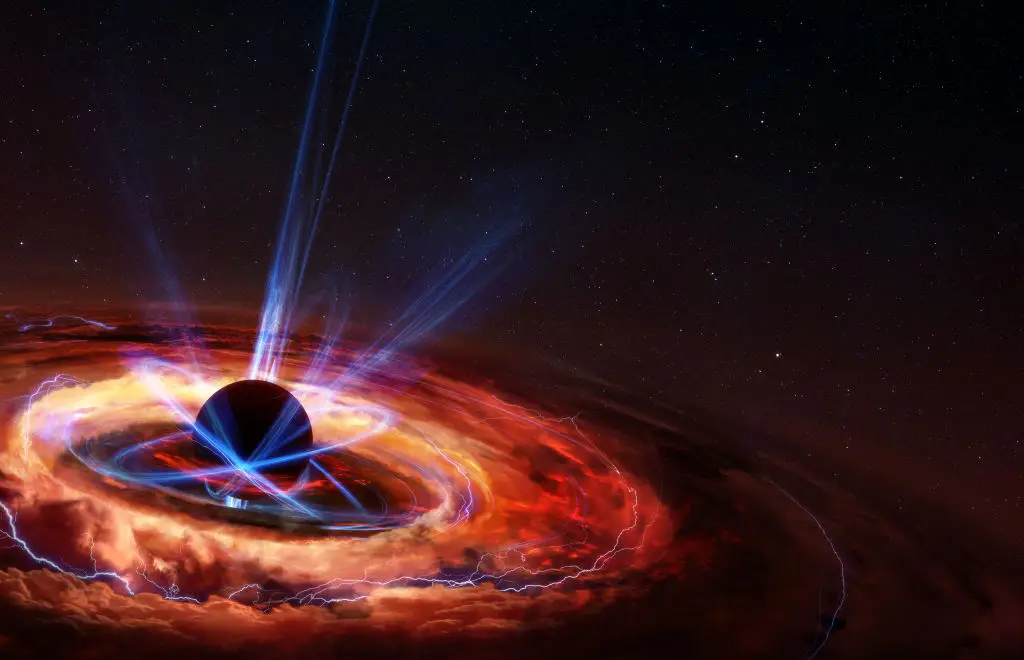
While they certainly sound dangerous – and very well could be at some point in the future – the realization of their size and the rate at which they are consuming gas appears to reduce any alarm that might have appeared, although that doesn't make them any less fascinating.
"Only a very small amount of the gas is swallowed by the black hole," explains Watson, adding that "most of it is blown back out from the poles as the black hole rotates. That's why we call black holes 'messy eaters'."