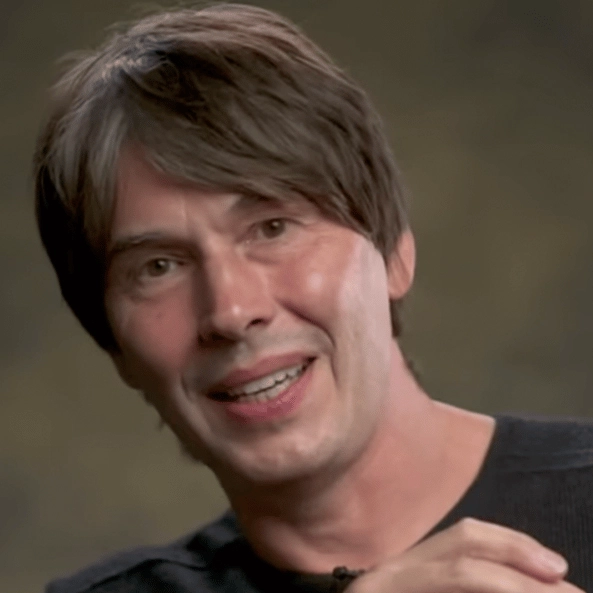
Professor Brian Cox reveals how he thinks the world will end and it doesn't sound good


What do you think will happen at the end of the world?
If your mind immediately thinks of a fiery inferno, you might not be far off.
English physicist Brian Cox knows a thing or two about the mysterious workings of our universe, so he's pretty well placed to describe how he thinks the end of the world will pan out.
That's exactly what he did back in 2022, in a video posted by LADbible TV on YouTube.
Cox starts by speculating that the Sun will "grow as it gets older, and it'll swell up".
Advert
So far, so terrifying, but maybe there's a glimmer of hope, as Cox adds: "It probably won't engulf the Earth, but it'll get close."
Unfortunately, that doesn't mean our planet is safe, with Cox saying: "The Earth will probably drift out, because it's so loose and massive, but it'll toast it, basically.
"So, the Earth will end up toasted as a cinder, probably still orbiting the remains of the Sun, which will be what's called a white dwarf star, which is something that basically fades away."
Essentially, when the Sun comes to the end of its life and runs out of nuclear fuel, it will expand - becoming a massive red giant.
It will then likely collapse on itself under the weight of gravity, becoming a white dwarf star - one of the densest things in the universe.
It all sounds pretty grim - particularly as some theories suggest that the Sun will become hotter towards the end of its life, boiling and evaporating all the water on the Earth.
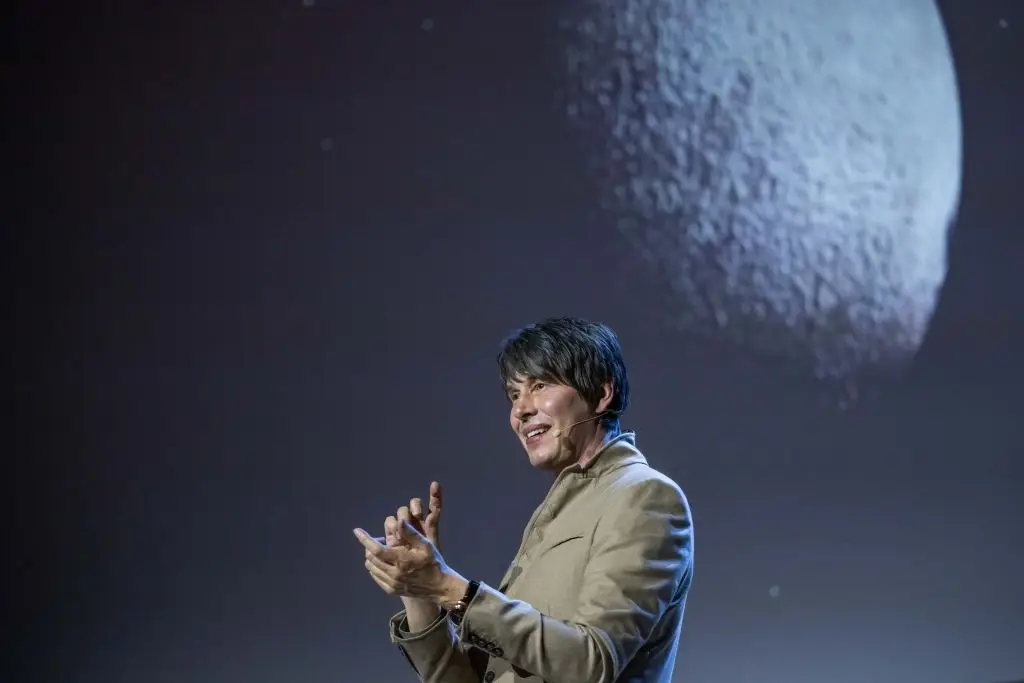
But we wouldn't worry too much about it all. According to Cox, that nightmarish scenario is "what's gonna happen in about five billion years" - which is almost unfathomably far away.
What with global warming and everything else going on right now, there's a whole lot more pressing issues to be concerned about - before stressing out about five billion years in the future.
And while Cox has sketched out a vaguely terrifying look at the future, people can't help but crack jokes in the comment section on YouTube.
"I'll still be making student loan payments," one person quipped.
Another added: "Got time for a quick pint then!"
While a third said: "I'll make sure I'm out that day."
But some are a bit more philosophical about the whole thing, putting life in perspective: "You heard the man, ask your crush out!! Cos in 5 billion years nobody's going to be around to care."