
Mystic known as 'living Nostradamus' identifies 6 places secretly key to Mars life

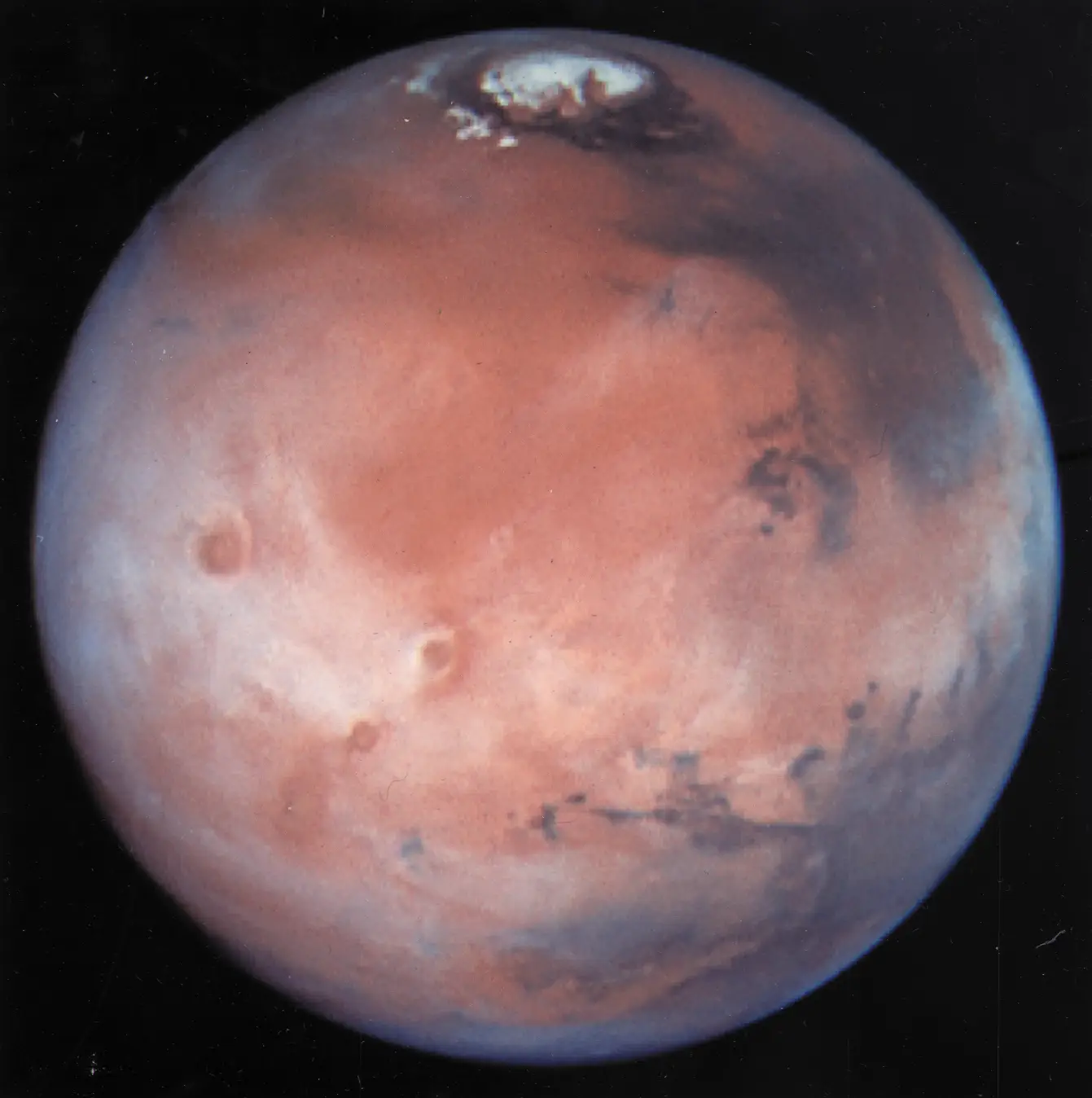
Getting humans to Mars is one of the biggest challenges facing space exploration right now, with astronauts expected to contend with everything from radiation and extreme temperatures to months of travel and life in a completely hostile environment.
Even after successfully reaching the Red Planet, the hard part wouldn’t necessarily be over because crews would rely on technology capable of providing breathable air, water, food and shelter while protecting them from the dangers of the Martian environment.
Now Athos Salomé, the Brazilian mystic who is also known as the ‘living Nostradamus’, has highlighted six places he believes hold particular importance in humanity’s preparations for life beyond Earth.
Speaking to the Daily Express, he said: “Earth serves as a vast laboratory where humanity can prepare for existence on other planets. NASA clearly states that these types of environments enable scientists to test equipment and procedures for future missions without needing to travel off-planet.
Advert
“While this does not prove that a potential ‘trip to Mars’ is actually happening right now on Earth, it does raise an intriguing question: If we can currently transform remote sections of Earth into experimental versions of Mars, what limits might exist for such simulations in the future?”
So, what are the locations of these Earthbound places that could prepare us for life on Mars?
First up, Salomé talked about the Atacama Desert in Chile, where he said it is used to ‘research very dry soils, possible bio-signatures, and conditions that exist on Mars’.
Secondly, we have the Canadian Devon Island which is cold and rocky, with the mystic describing it as similar to the conditions found on Mars.

The third location is Iceland due to its abundance of volcanoes which, according to Salomé, is where the Artemis astronauts have completed training to prepare for their lunar missions.
Another spot is the McMurdo Dry Valleys in Antarctica which is known as the coldest and driest desert on Earth.
In contrast, Salomé believes that Mauna Loa in Hawaii is also a good location despite the fact that its climate is completely different to that in Antarctica, but due to its volcanic terrain.
And the final location is found in the US in the Mojave Desert - again, due to its dry and windy conditions.
Salomé continued: “Would it be a fatal error to attempt to live on Mars without having conquered these environments first? No, but it would certainly be a huge mistake to disregard the importance of this type of training.”